Cardiff at golden hour

Cardiff

A data-driven guide — where to stay, what to eat, and what not to miss.

The Cardiff guide

An insider’s read on Cardiff

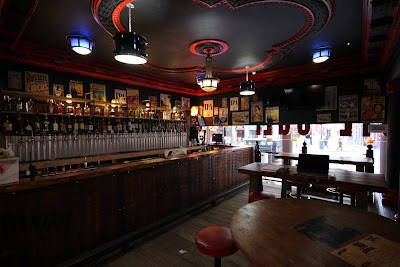
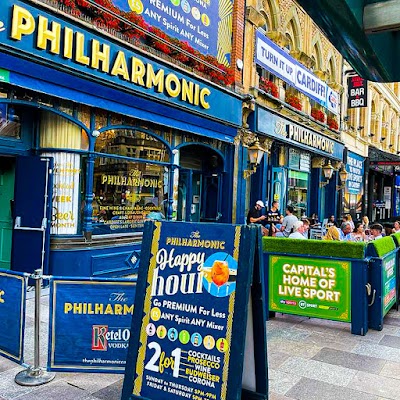
The pubs on St Mary Street get properly rough on a weekend night, the historic market is mid-restoration

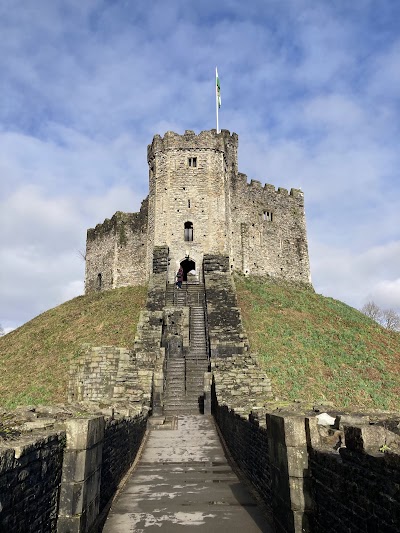
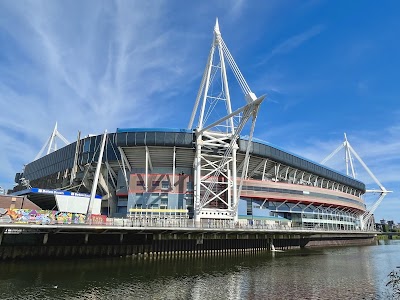
Walk down St Mary Street on a Six Nations Saturday and the retractable roof of Principality Stadium sits closed over a crowd loud enough to feel through the pavement, two streets back from the shops. That's the odd scale of Cardiff: a capital city small enough to cross on foot in half an hour, built around a rugby stadium that sits in the middle of the shopping district rather than out on the edge of town, with a Norman castle keep a few hundred metres the other way.

Cardiff has only been the capital of Wales since 1955, and the Senedd down in the Bay has only sat since devolution in 1999, so the city's confidence as a capital is newer than its history as a port. The money that built it came from coal, shipped out through docks that drew sailors and workers from more than fifty countries into Tiger Bay, and that layered, working multicultural history still sits under the rebuilt waterfront the Senedd and the Wales Millennium Centre now share. Student numbers from Cardiff University keep whole districts young; a food scene centred on Pontcanna has matured enough to carry the city's first Michelin star.

None of it is slick in the way a larger capital manages. The pubs on St Mary Street get properly rough on a weekend night, the historic market is mid-restoration, and half the neighbourhoods worth staying in are a bus ride rather than a walk from the castle. That's closer to what the city actually is than the postcard version of the Bay.

Photo via Google (will gamer2)

Where to base yourself

The neighborhoods

Where you sleep shapes the trip. Here’s the honest orientation, area by area.

City Centre (Castle Quarter)
via Google

City Centre (Castle Quarter)

For Suits a first visit who wants everything in walking distance; the trade-off is the same streets turn loud and messy after midnight on weekends.

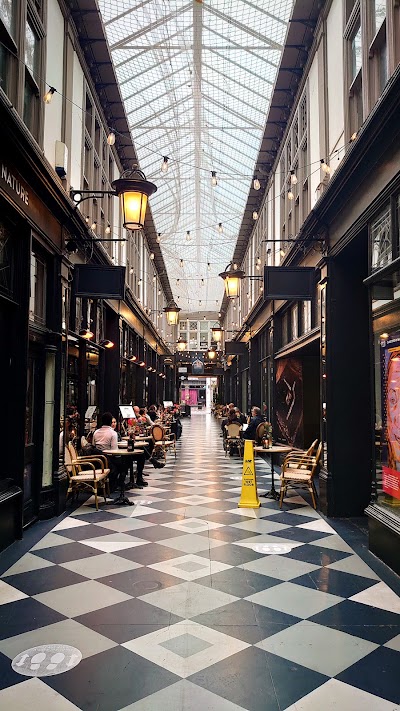
The civic core: Cardiff Castle's keep rising over Bute Park, the covered Edwardian and Victorian shopping arcades, and St Mary Street running straight into Westgate Street past the stadium. Shirts and scarves on match day, office lunch crowds midweek, and a hard edge of late-night drinking once the pubs on St Mary Street empty out.

Where to sleepChain hotels cluster around the castle and the arcades; book early for Six Nations or stadium concert weekends when rates spike.

  • Cardiff Castle
  • the Victorian and Edwardian shopping arcades
  • Principality Stadium
Cardiff Bay and Butetown
via Google

Cardiff Bay and Butetown

For Suits anyone chasing the postcard view and a calmer base; the walk back to the city centre proper takes a good twenty minutes and the Bay itself empties out early most nights.

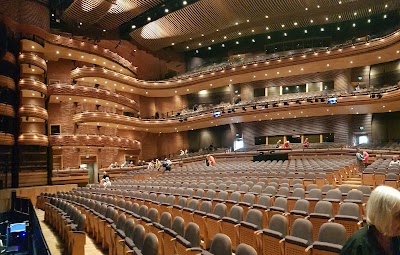
The old docks, rebuilt around a barrage-formed waterfront: the Senedd, the Wales Millennium Centre's bronze-lettered front, glass-fronted apartment blocks where the coal exchange once stood. Butetown behind it holds the real history, Tiger Bay's multicultural dockland community, in quieter terraced streets the waterfront visitors rarely reach.

Where to sleepWaterfront hotels with Bay views; good for families and anyone prioritising the Senedd, Doctor Who filming sites and a quieter evening.

  • Wales Millennium Centre
  • the Senedd
  • the Pierhead Building
  • Mermaid Quay
Cathays
via Google

Cathays

For Suits budget stays near the university and the museums in Cathays Park; not a quiet choice outside term breaks, when the streets are younger and louder than most of the city.

Term-time Cathays is Cardiff University's overflow, the so-called Golden Triangle of terraced streets packed with student lets, kebab shops and cheap takeaways; City Road to the east adds a run of South Asian and East Asian grocers and restaurants that outlasts the students.

Where to sleepMostly shared student housing and a few budget guesthouses; short-let options near Cathays Park station.

  • Cathays Park civic centre
  • National Museum Cardiff
  • City Road
Roath
via Google

Roath

For Suits visitors who want a residential, local-feeling base a short bus ride from the centre; it trades walking convenience for a more lived-in neighbourhood.

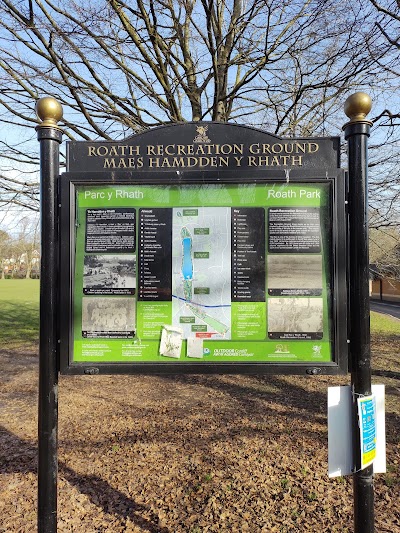
Dense Victorian and Edwardian terraces east of the centre, with Roath Park's lake and the City Road end of Albany Road carrying a strip of independent cafes, bars and restaurants that feels distinct from anything the centre offers.

Where to sleepA handful of guesthouses and short lets around Albany Road and City Road; no major hotels.

  • Roath Park and its lake
  • Albany Road
  • The Globe music venue
Pontcanna
via Google

Pontcanna

For Suits visitors prioritising food over nightlife; it is residential and quiet after dinner, with limited late-night options of its own.

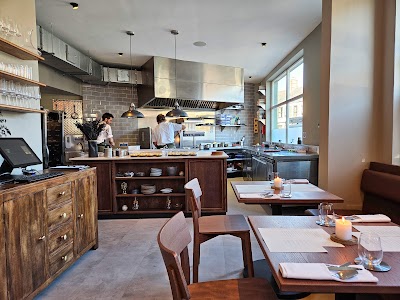
West across the River Taff, Pontcanna is where Cardiff's food scene concentrates: Victorian terraces, tree-lined streets and a run of restaurants on Pontcanna Street and Kings Road that has earned the city its first Michelin star and most of its best tables.

Where to sleepFew hotels sit here directly; best reached by taxi or bus from a city centre base for dinner.

  • Gorse
  • Pontcanna Fields
  • Sophia Gardens
Canton
via Google

Canton

For Suits visitors who want an arts-and-film base away from the tourist core; it is a bus ride rather than a walk from the castle.

A genuinely mixed residential district across the river from the centre, built around Cowbridge Road East's independent shops and cafes and the Chapter Arts Centre, with a long-settled South Asian community alongside students and young professionals.

Where to sleepMostly residential; a few guesthouses near Chapter Arts Centre.

  • Chapter Arts Centre
  • Cowbridge Road East
  • Victoria Park

Eat & drink

Where to eat in Cardiff

Real tables, by category — from seafood and grills to the budget classics locals actually queue for.

After dark

Nightlife

Where the night goes — clubs, rooftop cocktails and the rooms with the best live music.

See & do

Culture

Museums, landmarks and galleries worth structuring a day around.

Don’t-miss

Signature experiences

Doctor Who filming locations walk

Doctor Who filming locations walk

City Centre and Cardiff Bay2 to 2.5 hours

Cardiff has stood in for the show's modern era since 2005, and a guided walk strings together more than thirty recognisable locations across the civic centre and the Bay.

via Google
Walk or cycle the Taff Trail

Walk or cycle the Taff Trail

River Taff corridorhalf day for a decent stretch of it

The trail starts at the Bay waterfront and follows the river through Bute Park and out past Llandaff, a flat, car-free route that strings together most of the city's green space.

via Google
A Six Nations or Autumn Nations match day

A Six Nations or Autumn Nations match day

City Centrea full day around kick-off

The retractable roof closes, the crowd sings, and the whole city centre turns into one match-day event around the stadium whether you have a ticket or not.

via Google
Cardiff Castle apartments and keep

Cardiff Castle apartments and keep

City Centre2 to 3 hours

The Victorian Gothic apartments built for the Marquess of Bute are the odd, gilded payoff for climbing the Norman keep first.

via Google
Cardiff Bay barrage walk and waterbus

Cardiff Bay barrage walk and waterbus

Cardiff Bay2 to 3 hours

The barrage that created the Bay's still water is walkable end to end, and the waterbus across to Mermaid Quay is a cheap way to see the waterfront from the water.

via Google
Cardiff Market and the Victorian arcades

Cardiff Market and the Victorian arcades

City Centrehalf day

A loop through the covered market for Welsh cakes and the city's Victorian and Edwardian shopping arcades for independent shops is the best low-key half day the centre offers.

via Google

Beyond the city

Day trips

Caerphilly Castle

Caerphilly Castle

One of Europe's largest castles, moated and still substantially intact, in a town close enough for a half-day round trip without planning around it.

Getting thereTrain from Cardiff Central to Caerphilly, about 20 minutes, then a five-minute walk

via Google
Barry Island

Barry Island

A proper seaside day out, beach, funfair and a promenade, popularised further by its role as a filming location for a well-known sitcom.

Getting thereDirect train from Cardiff Central, about 35 minutes, to a station right at the seafront

via Google
Tintern Abbey and the Wye Valley

Tintern Abbey and the Wye Valley

A ruined Cistercian abbey in a river valley that has been drawing visitors since the Romantic poets wrote about it, reachable without a car if you're willing to take a connecting bus.

Getting thereTrain from Cardiff Central to Chepstow, about 35 minutes, then the Wye Valley bus service onward

via Google

What it costs

Budgeting

Cardiff runs cheap for a capital outside of match weekends, when hotel rates and restaurant bookings both tighten up fast around Six Nations fixtures and stadium concerts.

Travel stylePer day
Backpacker£45-65
Mid-range£90-150
Luxury£200-350

Timing

When to visit

A compact capital that's pleasant most of the year but genuinely transformed by rugby: book around the Six Nations and Autumn Nations fixtures rather than against them.

SpringMarch to May: mild but changeable, often wet, with the back end of the Six Nations rugby season and St David's Day events on 1 March pulling crowds into the city centre.
SummerJune to August: the warmest, driest stretch of the year, outdoor festivals and beer gardens busiest, and the best weather window for walking Bute Park or the Bay barrage.
AutumnSeptember to November: the Sŵn music festival lands in October or November alongside autumn rugby internationals at the stadium, while October is typically the wettest month of the year.
WinterDecember to February: cold, wet and windy with short days, quieter outside Christmas and the Six Nations opener in early February, when hotel rates jump again.

Logistics

Getting around

Orientation map of Cardiff
Map data © Google

From the airport

Cardiff Airport sits at Rhoose, about 12 miles southwest of the city, and isn't on the rail network directly: a shuttle bus links the terminal to Rhoose Cardiff Airport station, from where trains to Cardiff Central take roughly 30 to 35 minutes. The T9 express bus runs straight from the terminal to the city centre in around 40 minutes. A taxi takes 30 to 40 minutes.

Public transit

Cardiff Bus runs the city's bus network and is how most people get around outside the walkable centre; Transport for Wales trains connect Cardiff Central and Cardiff Queen Street to the Bay, Cathays, the outer suburbs and onward to the Valleys. There's no metro or tram system.

Passes & tickets

Single bus fares and short train hops are cheap on their own; a day ticket covering Cardiff Bus routes is better value once you're making more than two or three trips. Anyone aged 5 to 21 qualifies for flat, heavily discounted fares under a Welsh Government youth travel scheme.

On foot

The city centre, castle, arcades and stadium all sit within a flat fifteen-minute walk of each other. Cardiff Bay is a further twenty to thirty minutes on foot from the centre, or a short bus or waterbus ride; most of the outer neighbourhoods in this guide need the bus.

  • 1
    Buy day tickets on the bus or via the Transport for Wales app rather than per-journey if making several trips.
  • 2
    Cardiff Central and Cardiff Queen Street are different stations roughly ten minutes' walk apart; check which one your train actually uses.
  • 3
    Avoid driving into the centre on a match day: roads close around the stadium and parking disappears.
  • 4
    The waterbus between the city centre and Cardiff Bay is a slower, cheaper alternative to the bus if the weather's decent.

Travel smart

Safety & etiquette

The city centre is safe to walk during the day and for most of the evening. St Mary Street and the streets around it carry the city's highest night-time crime figures, mostly late-weekend drink-related trouble rather than anything targeted at visitors; use a licensed taxi rank rather than walking back alone after 1am on a Friday or Saturday. Daytime visits to any neighbourhood in this guide are straightforward.

Local etiquette

  • Buy drinks in rounds in a pub rather than paying separately; it's the local norm, not an obligation to keep up all night.
  • Cardiff is bilingual: Welsh and English share every official sign, and a 'bore da' or 'diolch' is noticed and appreciated even from visitors who go no further than that.
  • On a match day, home and away fans mix in the same pubs without trouble; the banter is good-natured and loud, not hostile.
  • A 10 to 12.5 percent tip is standard in restaurants when service isn't already added to the bill.

From the ground

Practical tips

  • 1
    Book hotels well ahead of any Six Nations weekend in Cardiff; rates and availability both move fast once fixtures are announced.
  • 2
    Carry some cash for Cardiff Market stalls; several of the smaller traders don't take cards.
  • 3
    Cardiff Market is mid-restoration through 2026 and into 2027, with the work sealed off from trading, so the stalls stay open throughout; don't expect it closed.
  • 4
    Buy rail tickets for day trips in advance online rather than at the station window to avoid the walk-up fare.
  • 5
    Pack for rain regardless of season; Cardiff's wettest month is October but showers are possible any week of the year.
  • 6
    The city centre is largely pedestrianised around St Mary Street and the arcades, so a car adds nothing there and parking is expensive; use one only for day trips out.
  • 7
    Sunday opening hours run shorter across shops and some attractions; check before building a Sunday around a specific stop.

Book direct

Book a hotel in Cardiff

Loading live availability and real-time prices…

Good to know

Cardiff FAQs

How many days do you need in Cardiff?

Two full days covers the castle, the Bay and a proper dinner; three lets you add a day trip to Caerphilly or the coast without rushing anything.

Is Cardiff Bay the same place as Cardiff city centre?

No. The Bay is the rebuilt old docks about twenty minutes' walk or a short bus ride south of the city centre proper, built around the Senedd and the Wales Millennium Centre.

Do I need to know any Welsh?

No. English is the working language everywhere a visitor goes, though signs, announcements and some place names are bilingual throughout the city.

When is Cardiff at its busiest and most expensive?

Six Nations rugby weekends in February and March, and any weekend with a Principality Stadium concert, push hotel rates up sharply and fill the city centre pubs hours before kick-off.
Is Cardiff safe for visitors at night?

Mostly yes. The flashpoint is St Mary Street's club strip in the small hours of the weekend, which is rowdy rather than dangerous for most visitors, but worth avoiding on foot alone very late.

Can you see Cardiff without a car?

Easily. The city centre, Cardiff Bay and most of the neighbourhoods in this guide are walkable or a short bus ride apart, and the day trips run by train.

What's the one dish to try?

Cawl if you're there in colder months, a Welsh cake fresh off the bakestone at Cardiff Market any time of year.