Copenhagen stories
24 stories from copenhagencitybreak.com, newest first.

Nordhavn, Copenhagen: The Harbour District Where Matt Orlando and Aamanns Now Cook
Two days on Copenhagen's harbour, with the bakery and the sauna on Refshaleøen, the spire and the rink in Christianshavn, and the winter closures that would waste your trip.

A November morning in Copenhagen's National Museum of Denmark
The galleries are empty in winter, the online ticket is 135 kr. and the rooms start closing at 16:45. The other stops are a walk from the door.

Copenhagen Christmas at Tivoli 2026: Dates, Tickets and How to Do It Right
Tivoli's dates, prices and time-slots, then the free markets, rinks, julefrokost tables and train trips that fill the rest of a Copenhagen December.

Hamlet's castle at Kronborg on a day out from Copenhagen
The ballroom runs 62 metres and the casemates below it are pitch dark; the harbour walk outside is free. One day out from Copenhagen.

Copenhagen's Rosenborg Castle by bike in October
How to see the crown regalia without queueing at the door, and ride on from the castle gate in October 2026.

What You See Inside Copenhagen's Ny Carlsberg Glyptotek
Palms under a glass dome and Roman marble in dim top-lit halls, with the hours, prices and free days that decide which day to go.

Walking Copenhagen's Nyhavn Before the October Crowds
Ochre house fronts and the sailors' anchor, plus the harbour view nobody charges for, all inside the ninety minutes of an October morning before the quay fills up.

Watching the Guard at Copenhagen's Amalienborg in September
The noon ceremony, the one palace you can actually walk into, the weekend-only dome that photographs the whole square, and the hours when Amalienborg is almost empty.

Cross Copenhagen by Harbour Ferry and S-Train for DKK 25
The battery boats and lettered trains that carry Copenhageners to work are the cheapest, calmest way to see the city, and this guide covers how to ride them properly in 2026.

Walking the Real Streets Behind Copenhagen's Nordic Noir
A grounded, walkable route through the actual precincts, canals and courtyards that gave the genre its atmosphere, with what each stop costs and who it suits.

The Roastery City: Copenhagen's Quiet Coffee Revolution and Where to Drink It
Copenhagen taught the world to roast light and pour slow — here's where the city's champion baristas actually stand behind the bar, cardamom bun in reach.

How Copenhagen Rides: The Bike Lane as the City's Circulatory System
A calm, street-level guide to seeing Copenhagen the way it was built to be seen — from the saddle, one unhurried kilometre at a time.

The Chair City: Copenhagen's Design District and the Furniture That Shaped a Nation
How a few walkable blocks of Kødbyen and Vesterbro carry the same instinct — honest materials, no wasted line, room for people to gather — that made Denmark the country that taught the world how to sit.

Jump In: Copenhagen's Harbour Baths and the City That Swims in the Middle of Town
A calm, neighbourhood-by-neighbourhood guide to Copenhagen's free harbour baths — where to swim laps, where to picnic, and where to book a wood-fired sauna for the group.

The Art of the Open Sandwich: Copenhagen's Smørrebrød Ritual
A honest, plate-by-plate guide to where Copenhagen builds its open rye sandwiches best — from a 1877 basement to a Michelin-listed brasserie — and how to book each one.

Copenhagen by Bike: A Local's Route Through the City's Soul
A calm, honest, self-guided cycling itinerary through Copenhagen — from the orange Bicycle Snake to the coast — plus the hires and guided tours worth your money in 2026.

Copenhagen Canal Tours: The Best Way to See the City From the Water
From walk-up green boats to self-drive picnic cruisers, a free litter-collecting kayak and a sailing hot tub — how to pick the right Copenhagen canal trip for your group in 2026.
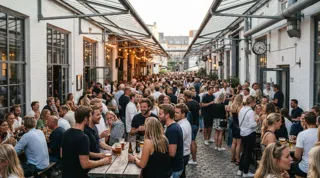
Vesterbro & Kødbyen, Copenhagen: the meatpacking district that learned to party
From butcher rails and brewery gates to oyster bars and all-night dance floors, Vesterbro is Copenhagen’s rough-edged neighbourhood with the city’s best appetite.
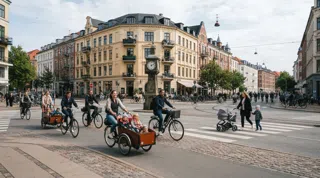
Østerbro, Copenhagen: quiet wealth, serious baking and the water at the door
Copenhagen’s polished east-side neighbourhood trades nightlife for bakeries, park life and harbour swims, with one of the city’s most improbable world-class restaurants above a football stadium.
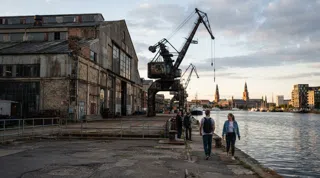
Refshaleøen, Copenhagen: shipyard bones, sauna steam and serious appetite
On Copenhagen’s reclaimed industrial spit, cranes, containers and world-class kitchens share the same raw waterfront — and that friction is exactly the point.
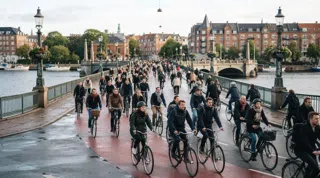
Nørrebro, Copenhagen: the city’s loudest, loosest, best-fed neighbourhood
A fast, crowded, gloriously mixed district where porridge bars, shawarma windows, natural wine and Michelin plates share the same few streets.
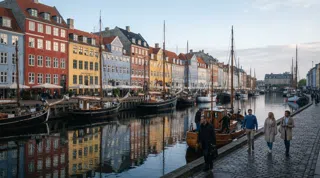
Indre By, Copenhagen: the old city that still runs the show
Copenhagen’s ceremonial core is all spires, canals and smørrebrød basements, but it’s also where the city still feels most walkable, most polished and most itself.
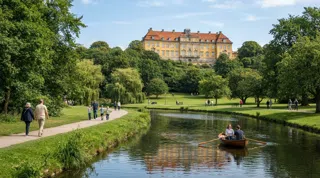
Frederiksberg, Copenhagen: The Green Village With a Royal Park and a Serious Appetite
A calm, well-heeled Copenhagen district of palace gardens, free zoo-viewing, serious restaurants and broad boulevards that feels like the city exhaling.
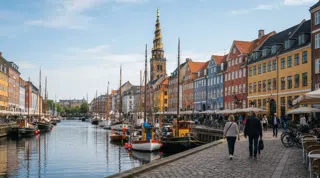
Christianshavn, Copenhagen: canals, church spires and counterculture
A water-led quarter of reclaimed marsh where Michelin stars, houseboats and Christiania share the same slow, slightly scruffy island air.