




Izmir Marriott Hotel
Checking prices
97 city guides · 2,845 stories, new content daily
Izmir operates on a different frequency than other Turkish metropolises. Life here is anchored to the Kordon, a sweeping waterfront promenade where locals gather at dusk to drink cold beer on the grass, ignoring the frantic rush of modern life.
Historically known as Smyrna, this ancient port city has spent millennia trading across the Mediterranean. Rebuilt after the devastating fire of 1922, modern Izmir emerged as a bastion of secularism and progressive Turkish culture. The legacy of its Levantine, Greek, and Jewish communities still echoes in the architecture of Alsancak, the synagogues of Karataş, and the culinary traditions of the Kemeraltı bazaar. Today, its character is fiercely independent, relaxed, and deeply democratic.
“While it is Turkey's third-largest city, it lacks the chaotic intensity of a typical mega-city.”
From izmirgetaways.com, newest first.
17 areas, and who each one suits.
The cosmopolitan heart of the city, characterized by grid-patterned streets, historic Levantine stone houses, trendy boutiques, and a dense concentration of bars and cafes.
Best for: First-time visitors and nightlife seekers. The trade-off is constant noise and high traffic congestion.
Where to stay: Mid-range boutique hotels and business-friendly luxury properties near the waterfront.
The historic and administrative hub, home to grand government buildings, open plazas, and the sprawling labyrinth of the Kemeraltı bazaar.
Best for: History enthusiasts and street food lovers. The trade-off is that the area becomes quiet and desolate after the bazaar closes at sunset.
Where to stay: Characterful boutique hotels converted from historic caravanserais or modern business hotels.
A progressive, residential district on the northern shore of the gulf with a fierce local identity, pedestrianized shopping streets, and a relaxed family vibe.
Best for: Slow travelers wanting a local, non-touristy experience. The trade-off is the distance from major historical sights.
Where to stay: Modern mid-range hotels along the waterfront.
A trendy, upscale sub-district of Karşıyaka filled with third-wave coffee shops, craft beer bars, and modern apartment blocks.
Best for: Younger travelers and foodies looking for contemporary dining. The trade-off is a complete lack of historical architecture.
Dining in this city is heavily influenced by the Aegean Sea and the surrounding olive groves. Breakfast is defined by 'boyoz', a flaky, savory pastry of Sephardic Jewish origin, traditionally eaten with hard-boiled eggs sprinkled with black pepper. Lunches often feature 'zeytinyağlılar' (vegetables cooked in olive oil and served cold), while dinners are dominated by the 'rakı-balık' ritual—a slow, social meal of aniseed spirit, cold mezes, and fresh grilled fish. Locals prioritize freshness, wild mountain herbs, and olive oil over heavy spices and butter.
Seafood in this city is a ritual, typically enjoyed over several hours alongside cold mezes and anise-flavored rakı on the waterfront.

This is the city's premier white-tablecloth seafood institution, serving impeccably fresh catch directly on the Kordon since 1981.
Order: Salt-baked sea bass

Offers a highly refined selection of Aegean mezes and fresh seafood right on the waterfront with a slightly more relaxed atmosphere than Deniz.
Order: Octopus carpaccio
Located inside a quiet yacht marina, this upscale venue offers a peaceful dining experience away from the central crowds.
Order: Grilled calamari stuffed with cheese
The club scene ranges from intimate electronic music spaces housed in historic buildings to large-scale industrial warehouses.
Housed in a beautifully restored Levantine mansion, this is the city's premier venue for house and techno music.
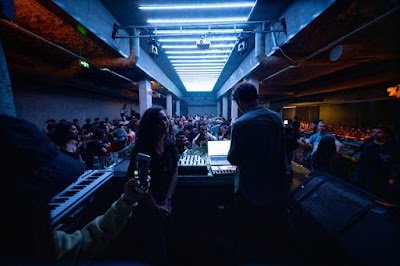
A massive warehouse-style venue that regularly hosts international techno and electronic DJs.
A converted industrial space popular with the local university crowd for alternative music events and themed dance parties.
Rooftop bars offer dramatic views of the gulf, while hidden courtyards in Alsancak host creative mixologists.
The city's museums showcase a rich tapestry of ancient civilizations and modern art movements.

Houses an impressive collection of gold, bronze, and marble artifacts salvaged from ancient sites like Smyrna, Ephesus, and Miletus.
Tip: Budget entry fee; allow at least 2 hours to explore.
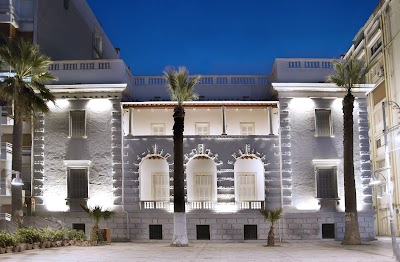
Located in the historic French Consulate building, hosting world-class rotating art exhibitions from international collections.
Tip: Free admission; closed on Mondays.

Features three separate pavilions dedicated to stone artifacts, ceramics, and precious objects from antiquity.
Tip: Quiet and uncrowded; located inside the central park.
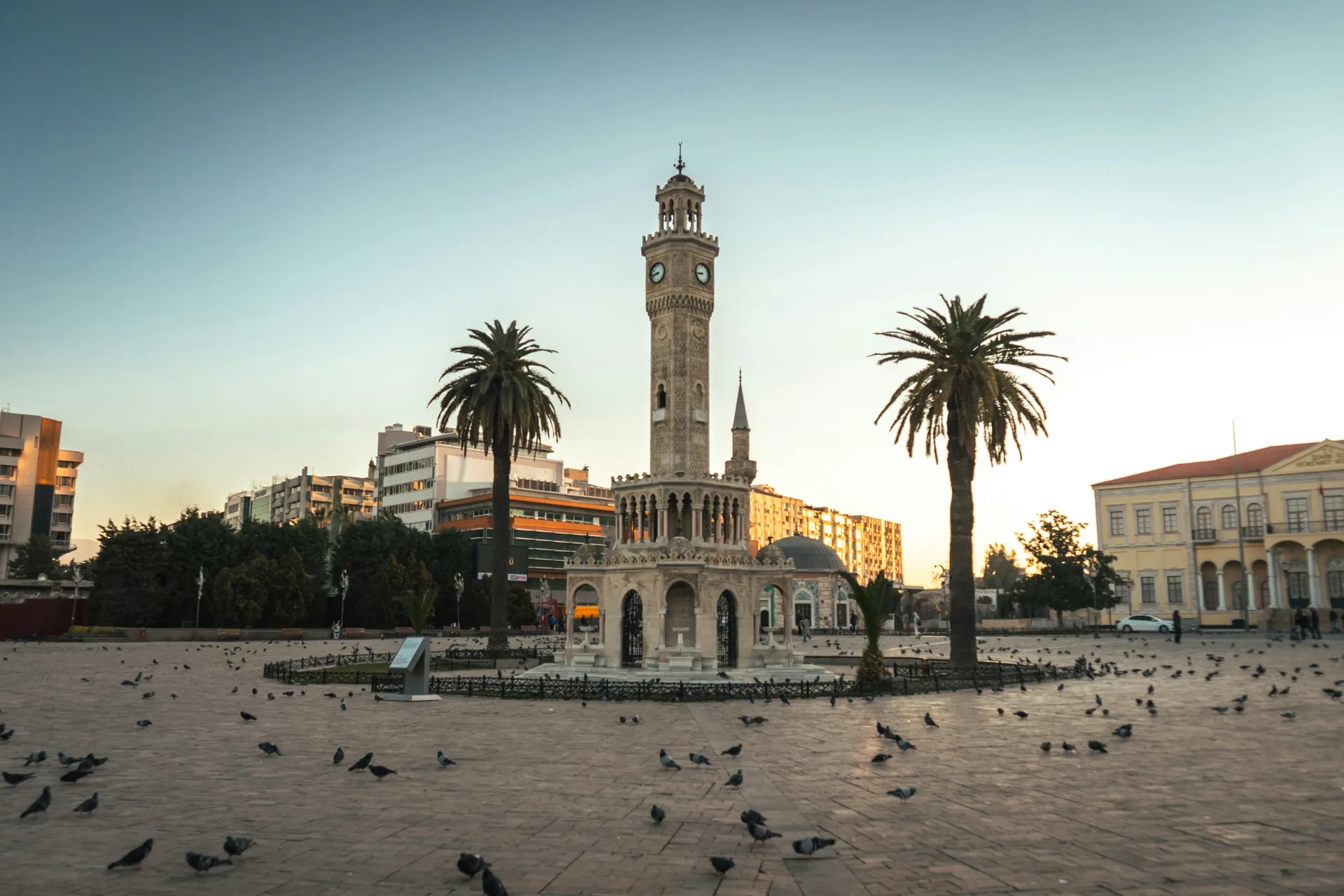
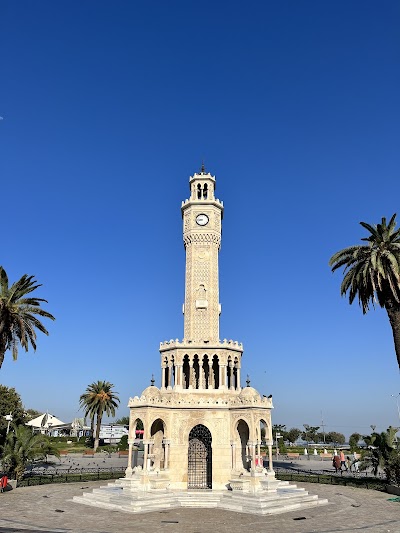
The architectural landscape reflects the city's multicultural past, from Roman ruins to Ottoman-era engineering marvels.
High-end hotels offer sweeping gulf views, thermal spa facilities, and central locations close to the waterfront.
Set in expansive gardens filled with contemporary sculptures, offering top-tier amenities, a world-class spa, and a central location.
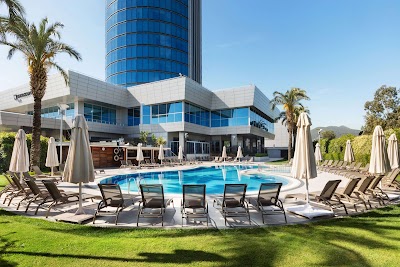
Located on the gulf shore, featuring extensive thermal spa facilities and views of the bay, slightly removed from the city noise.

Modern luxury with a rooftop pool, situated steps from the waterfront promenade and major historical sights.
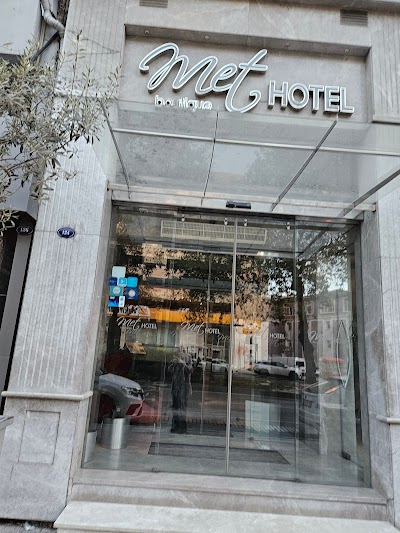
Characterful boutique hotels offer personalized service, often housed in beautifully restored historical buildings.
Sorted by guest rating. Prices load live for your dates.


Tours and tickets in the city, bookable online.


Explore the spectacular ruins of the ancient Roman metropolis, followed by fruit wine tasting in a historic Greek hillside village.
Getting there: 1 hour south via train (IZBAN) or rental car.
Visit boutique vineyards producing excellent Aegean varietals, paired with high-end olive oil tastings and farm-to-table dining.
Getting there: 40 minutes west via highway; rental car or taxi required.
Wander the stone-paved streets of Alaçatı, famous for its windsurfing bays, historic windmills, and upscale beach clubs.
Getting there: 1 hour west via direct highway buses from Izmir Otogar.
The ideal times to visit are spring and autumn, when the Mediterranean heat is manageable and the coastal breeze is refreshing.
April to June brings mild temperatures, blooming wild herbs in the surrounding hills, and the annual Izmir International Festival, which hosts classical music and theater performances in historic venues.
July and August are intensely hot and humid. The city center empties out as locals flee to nearby beach towns like Çeşme and Alaçatı, though evening sea breezes bring some relief to the Kordon.
September to November is excellent for exploring. The sea remains warm enough for swimming, the summer crowds have departed, and the grape harvest begins in the nearby Urla wine region.
December to March is rainy and chilly, though rarely freezing. It is a quiet time to explore museums and indoor bazaars without the tourist crowds.
The city is highly safe, even for solo female travelers, owing to its progressive and liberal social environment. Standard precautions against pickpocketing should be taken in crowded areas like the Kemeraltı bazaar.
The city offers excellent value compared to other major coastal destinations, with affordable public transit and diverse dining options.
Yes, it is widely considered Turkey's most liberal and progressive city, making it highly comfortable and safe for solo women.
Three days is ideal to explore the city center, Kemeraltı, and take a day trip to Ephesus or the Urla vineyards.
No, locals do not drink tap water; stick to bottled water which is cheap and widely available.
Credit cards are accepted almost everywhere, but carry some cash (Turkish Lira) for small bazaar stalls and public transit cards.
Yes, in tourist areas, hotels, and trendy cafes, though learning a few Turkish phrases is highly appreciated in the bazaar.
Where to stay: Serviced apartments and boutique rentals.

Housed in a grand, historic stone building near the Kordon, serving legendary lamb dishes cooked in traditional copper pans.
Order: Sac tava (diced lamb cooked on a thin iron skillet)
The local culinary identity is defined by 'zeytinyağlılar' (olive oil dishes) and wild Aegean herbs served in traditional taverns (meyhanes) and lunch canteens.

A legendary tradesman's lunch canteen (esnaf lokantası) operating since the 1950s, serving exceptional slow-cooked Ottoman-Aegean classics.
Order: Elbasan tava (baked lamb in a savory yogurt sauce)

Combines a modern waterfront setting with traditional Aegean meze recipes made with premium local olive oil.
Order: Warm samphire (deniz börülcesi) in olive oil

A lively contemporary tavern known for its vibrant atmosphere, excellent cold mezes, and local acoustic music.
Order: Grilled mastic octopus
The nearby Urla peninsula has emerged as a major gastronomy hub, home to several Michelin-starred restaurants focusing on farm-to-table Aegean cuisine.
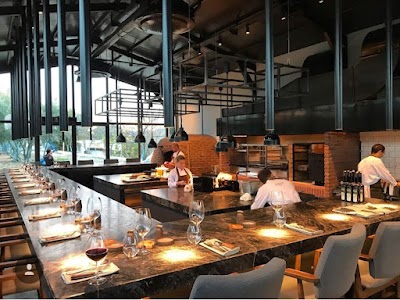
A Michelin-starred destination set in an olive grove, featuring an open-kitchen concept where dishes are cooked over an open wood fire.
Order: Seasonal wood-fired tasting menu

A Michelin-starred restaurant and boutique guest house focusing on minimalist, ingredient-driven Mediterranean plates.
Order: Handmade pasta with local wild mushrooms and truffles

An intimate, Michelin-starred trattoria-style restaurant that changes its menu monthly to reflect the exact harvest of the region.
Order: Slow-cooked beef cheek paired with local red wines
Street food is a matter of pride here, with several unique local specialties that are cheap, filling, and highly addictive.

A tiny, historic stall serving the city's most famous traditional semolina cake since 1942.
Order: Şambali cake topped with clotted cream (kaymak)
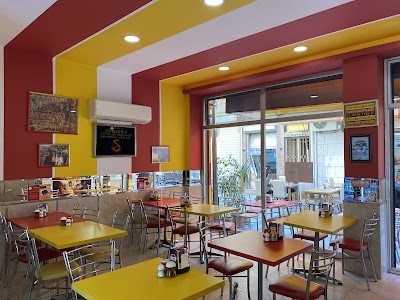
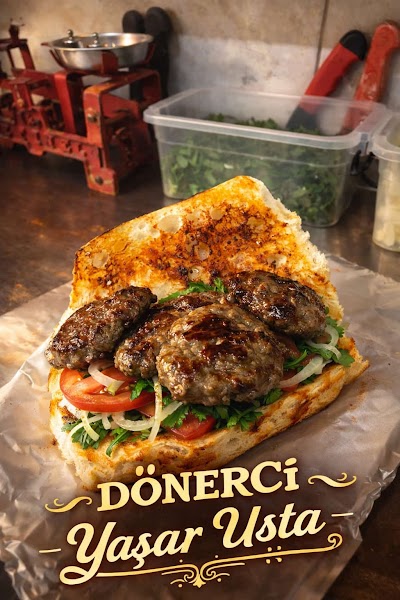
The ultimate spot to try the city's signature cold offal wrap, prepared with theatrical flair by the counter chefs.
Order: Söğüş (spiced sheep's head meat, brain, and tongue wrapped in flatbread)

A historic bakery serving incredibly flaky, savory pastries perfect for a quick, traditional morning bite.
Order: Kıymalı su böreği (savory boiled pastry with minced meat)
While dedicated vegan spots are relatively new, traditional Aegean cuisine is naturally vegetarian-friendly due to its heavy reliance on olive oil and wild herbs.

A dedicated plant-based cafe offering creative bowls, sugar-free desserts, and veganized Turkish classics in a bright, modern space.
Order: Vegan moussaka

A traditional lunch spot that excels in seasonal vegetable dishes, offering an array of olive oil-braised greens and stuffed vegetables.
Order: Stuffed zucchini flowers (kabak çiçeği dolması)
Famous for natural, dairy-free fruit sorbets made with zero artificial additives or preservatives.
Order: Melon and fresh fig sorbet
A stylish courtyard bar tucked away from the noisy main streets, focusing on artisanal cocktails and craft spirits.
Live performance is a staple of the local nightlife, with venues hosting everything from Turkish rock to acoustic jazz.

The city's go-to venue for live Turkish rock and alternative bands in an intimate indoor setting.

A modern, high-tech venue hosting major Turkish pop, rock, and jazz artists.

A massive, long-running concert hall catering largely to the student population with frequent rock gigs.
Tip: Free to visit; best photographed at sunset when the lights turn on.
Independent art spaces and cultural centers support a thriving contemporary art scene.
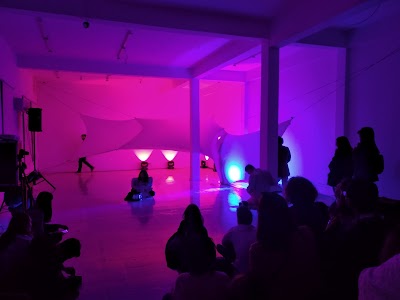
A pioneering independent space supporting local and international avant-garde artists through exhibitions and residencies.
Tip: Free admission; check schedules for artist talks.
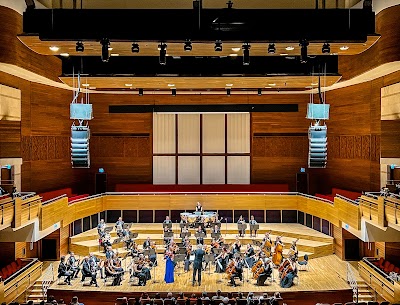
A state-of-the-art cultural complex known for its world-class acoustics, hosting art galleries and classical concerts.
Tip: Ticket prices vary; check exhibition schedules online.

A spacious venue within the city's central park hosting large-scale contemporary art installations and cultural events.
Tip: Free entry for most exhibitions; easily accessible by tram.
A beautifully restored historical caravanserai offering atmospheric rooms right inside the ancient bazaar.
Hostels are concentrated in the Alsancak district, offering social atmospheres and budget-friendly beds.
A highly social, clean hostel with a popular ground-floor cafe, located in the heart of the nightlife district.
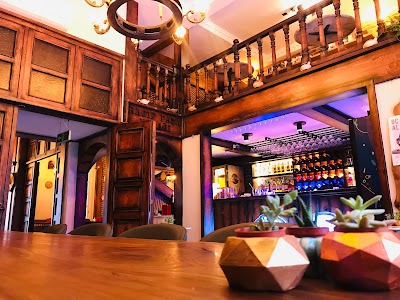
Offers a quiet, design-forward hostel experience with comfortable pod-style beds and a shared garden.

A cozy, bohemian hostel known for its welcoming communal atmosphere and regular family-style dinners.