Colossi of Memnon
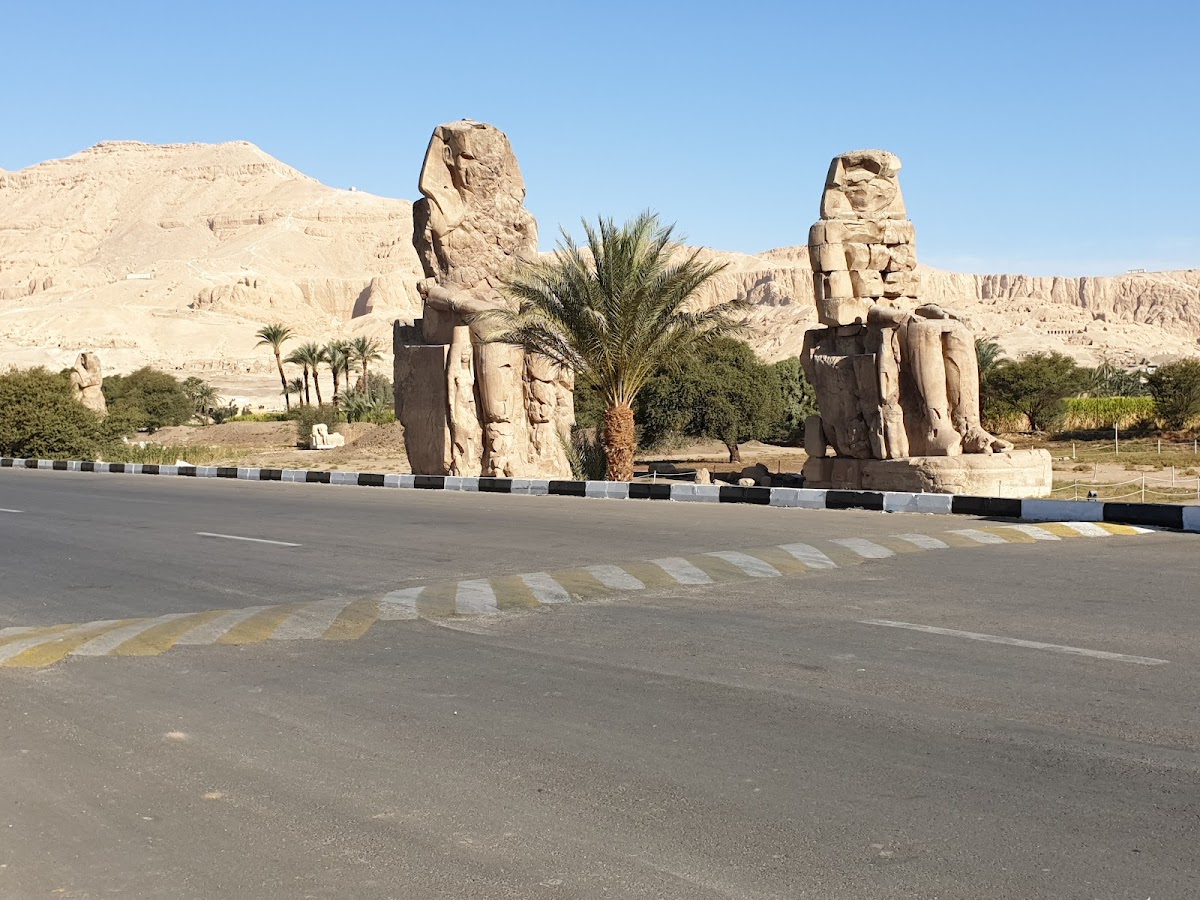
Two massive stone statues of Pharaoh Amenhotep III that have stood in the agricultural fields of the West Bank for over 3,400 years.
Free to visit. A quick, worthwhile roadside stop on the way to the tombs.
More in West Bank - Gurna
Marsam Restaurant
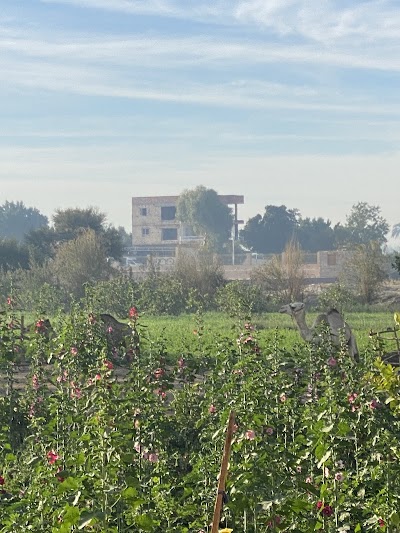
Set in the courtyard of a historic hotel, serving organic vegetables sourced directly from nearby West Bank farms.
What to order: Slow-baked vegetable moussaka
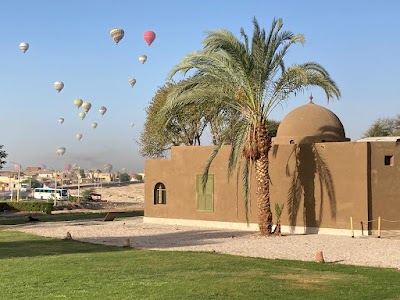
Carter's House
The domed mudbrick residence where Howard Carter lived during his search for Tutankhamun's tomb, preserved with his original furniture, tools, and photographic darkroom.
Tip: Located near the entrance to the Valley of the Kings. A quiet, evocative stop.
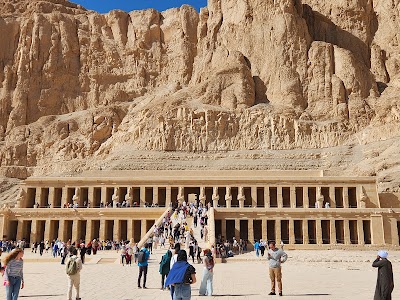
Valley of the Kings
The burial site of Egypt's New Kingdom pharaohs, where deep rock-cut tombs feature incredibly vibrant, original painted reliefs.
Tip: A standard ticket includes entry to three tombs. The tombs of Tutankhamun, Seti I, and Ramesses VI require extra tickets.
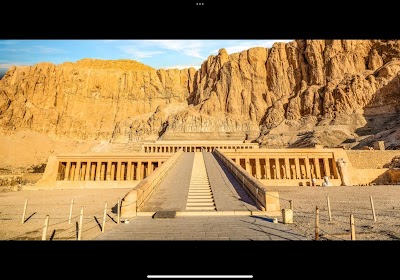
Temple of Hatshepsut
A stunning, three-tiered terraced temple built directly into the towering limestone cliffs of Deir el-Bahari.
Tip: Very exposed to the sun; bring water and a hat.
Where it is
Reviews
One of the most striking places on the Western Bank of River Nile in Luxor in Upper Egypt is the ‘Colossi of Memnon.’ My partner and I visited it on December 20, 2025 (Saturday) while on our way from the ‘Mortuary Temple of Hatshepsut’ to the ‘Karnak Temple Complex.’ We got down from our vehicle and admired the twin statues of Pharaoh Amenhotep III. Although the ‘Mortuary Temple of Amenhotep III,’ which once used to be the largest temple in Luxor, is no longe existent, these statues tell the tale of a time long forgotten, and deeply buried in both history and folklore!
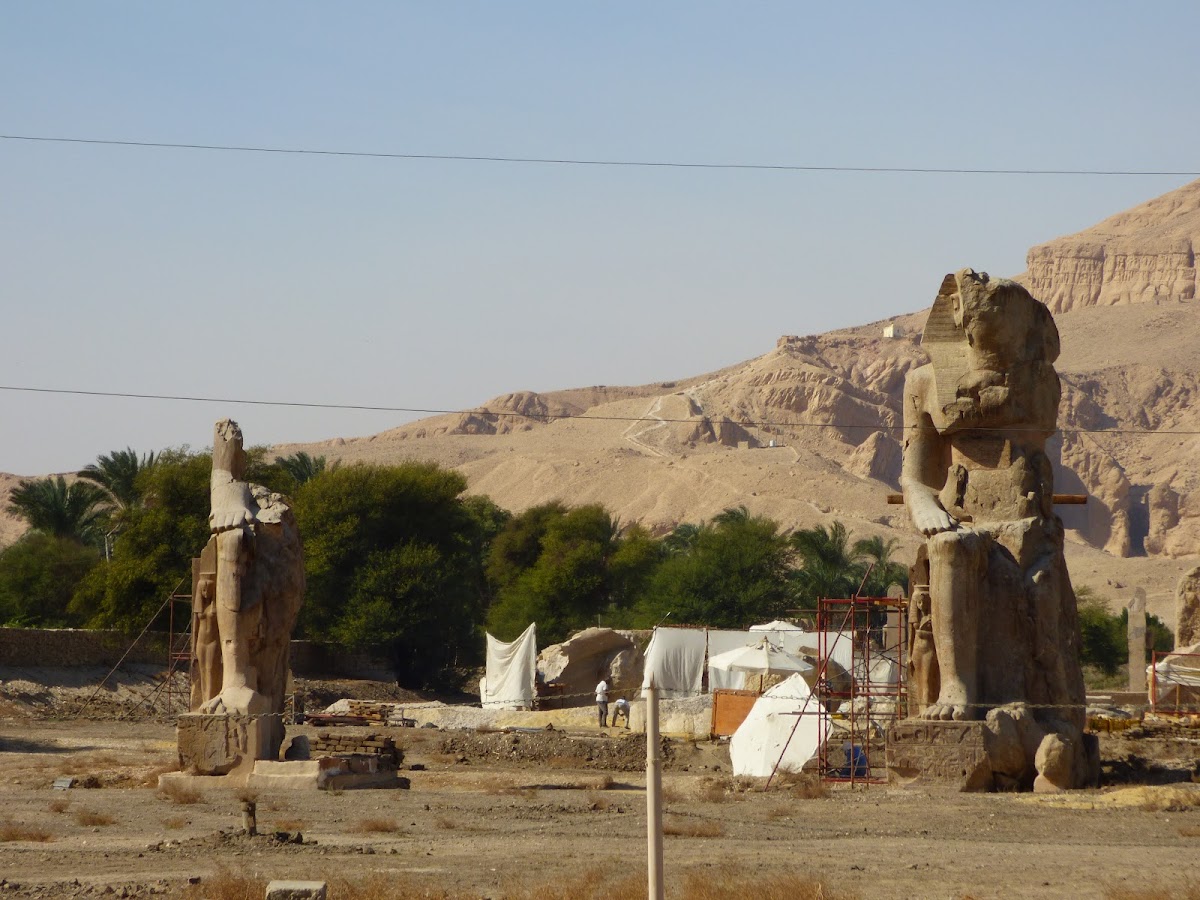
Quick stop on the way to the hotel air balloon rides. There was a bathroom across the road which was decent. Nice to see a statue in its original location with no tourist stuff around. Its also free to see. There's also an excavation currently going on behind the statues so that was cool to see in person.
The Colossi of Memnon are two monumental statues that stand as silent guardians on the west bank of the Nile near Luxor. Carved from quartzite sandstone around 1350 BCE, these statues originally flanked the entrance to the mortuary temple of Amenhotep III, one of Egypt’s most powerful pharaohs of the 18th Dynasty. Each statue rises about 18 meters (60 feet) high, depicting the seated king with his hands resting on his knees. These statues are in their original location and is free to visit. Currently there are some excavation nearby the statues.
The Colossi of Memnon stand in silent majesty, two ancient guardians watching over the desert for more than three thousand years.
Reviews are from Google. See the listing on Google Maps.