Mexico City stories
29 stories from mexicocitytrips.com, newest first.

Mexico City Art Week 2027: Zona Maco Tickets, Free Satellite Shows and Where to Stay
During Mexico City's art week a few entries are worth paying for, and the galleries and museums are mostly free. Stay in the right neighbourhood and you can walk between most of them.

Mexico City in December 2026: Weather, Zócalo Lights and Las Posadas
Light tunnels go up on the Zócalo, the pastorela ends in ponche and a piñata, posadas move onto boats on the Xochimilco canals, and the volcanoes are at their clearest.

Inside Mexico City's Guadalupe Basilica in November
How to walk the Tepeyac shrine in November 2026: under the tilma on the moving walkways, past the leaning old basilica, up to the chapel on the hill.

Walking Mexico City's Anthropology Museum in October 2026
The museum has twenty-three halls. A guided route through the Teotihuacán, Mexica and Maya rooms takes two to three hours, and the walk through Chapultepec fills what is left of the day.
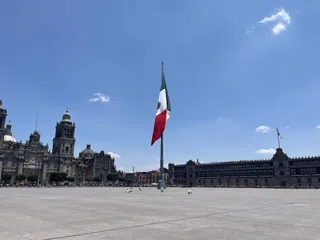
How to Eat Through Mexico City's Centro Histórico in a Day
One square kilometre holds a 1927 bakery, a 24-hour taco counter, a chef's market and a rooftop with the cathedral in frame. Walk and eat them in this order.

Dawn Balloon Flights Over Teotihuacan from Mexico City
You can no longer climb either pyramid, so the pre-dawn balloon is the only way left to read the plan of Teotihuacan. Here is how the morning works, what it costs, and who should skip it.

What Chilangos Do When the 5pm Storm Hits Mexico City
From June to September the capital's afternoon downpour reorganises the day around five roofed places: a library, a cinematheque, a wrestling arena, a 1937 dance hall and a churrería that never closes.

A Day on Foot in Mexico City's Roma Norte
A flat two-kilometre grid of art nouveau houses, galleries, markets and late taquerías: how to walk Roma Norte in one day without wasting a meal on it.
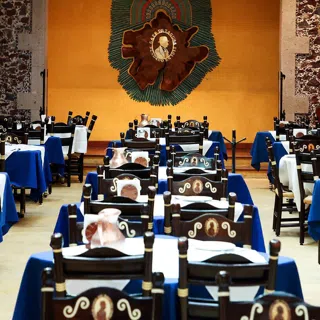
Café de Olla and Three Hours in Mexico City's Oldest Cafés
Sixteen Mexico City rooms where the coffee comes out of the pot sweetened with piloncillo and nobody hurries you out.
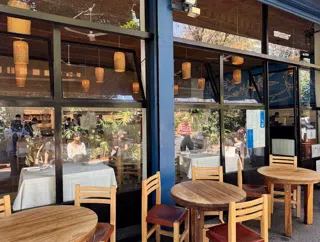
Mexico City's Long Lunches That Never Want to End
Mexico City doesn't rush anyone from the table: this is a guide to the restaurants, cantinas, and mezcal bars built for the meal that becomes a five-hour conversation.
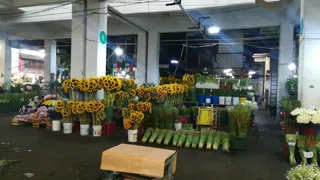
Mexico City's Sunday Market Crawl Runs From Jamaica to Merced
A six-to-eight-hour Sunday itinerary through Mexico City's oldest working markets, timed around the two that close early and honest about which stops suit a group and which don't.
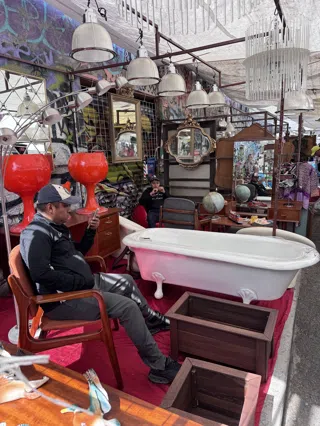
Digging for Colonial Furniture at La Lagunilla, Mexico City
Every Sunday, Mexico City's oldest flea market turns colonial furniture, vintage photographs and folk relics into a bargaining ritual — here's how to shop it well, and where the trade continues the rest of the week.

Underground Mexico City: Murals, Mammoths and Aztec Ruins
Mexico City's Metro doubles as a free museum of Aztec ruins, ice-age fossils and mural art, hiding in plain sight beneath rush-hour platforms — worth planning around, not just passing through, in 2026.

Chapultepec: Mexico City's Park That Remembers Everything
A layer-by-layer walk through Chapultepec, the park where Mexico City keeps its Aztec waterworks, its imperial castle, its finest museums, and its green lung all inside the same gates.

Mexico City's Taco Stands Never Really Close
From a Michelin-starred counter to a mechanic's garage that turns into a taquería after dark, Mexico City's taquerías run on a rhythm all their own — and knowing which one suits your group is half the meal.

Mexico City's Old Cantinas: A Sawdust-Floor Drinking Tour
A room-by-room guide to the century-old cantinas still pouring free botanas and cold beer across the Centro Histórico and Roma Norte in 2026.

The Villages Inside Mexico City
Mexico City grew by swallowing dozens of independent villages whole — this is a practical, honest guide to five of the most distinct: Coyoacán, San Ángel, Roma, Condesa, and Santa María la Ribera.

The Pulque Revival: Mexico City's Ancient Fermented Drink Finds a New Generation
From unreconstructed cash-only cantinas to a nightclub built around it, pulque - the fermented agave drink older than tequila - is being rediscovered across Mexico City in 2026.

Diego Rivera's murals across Mexico City — the walls that painted a revolution
A room-by-room, wall-by-wall route through the murals Diego Rivera left across Mexico City, with the door policies, prices, and booking quirks that decide whether you actually get to see them in 2026.

The Floating Gardens: Xochimilco Beyond the Party Barges
Before the sound systems switch on, Xochimilco is a working wetland of chinampa farms, a conservation-run axolotl sanctuary, and a newly reopened lakeside museum — here's how to see all of it in 2026, ahead of the boats.
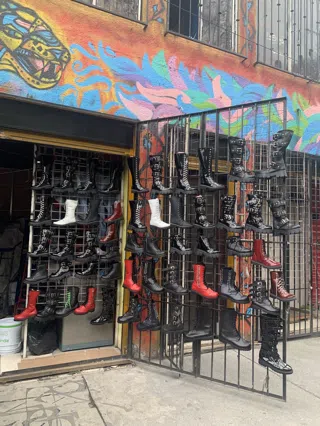
Higher Than Your Head: A Day Inside Mexico City's Tianguis
A market-by-market guide to Mexico City's tianguis — from Sunday antiques and Saturday folk art to punk vinyl, paca by the kilo and flowers by the truckload.

Ringside Rituals: Mexico City's Lucha Libre Through a Local's Eyes
A calm, honest map of where to watch lucha libre in Mexico City in 2026 — from the CMLL cathedrals to indie edge-of-city halls, mask workshops and taco-fuelled tours — with the door and group realities laid out plainly.

The Best Hot Air Balloon Rides Over Teotihuacán in Mexico City
A calm, honest guide to flying over the pyramids at dawn — which operators to trust, which suit couples, which handle groups, and what a Teotihuacán balloon morning really costs in 2026.

Roma Norte, Mexico City: where CDMX walks, eats and drinks
A street-by-street feature on Roma Norte’s jacaranda-shaded avenues, landmark restaurants, cocktail bars, galleries and design shops.

Polanco, Mexico City: where the city dresses up
A polished, walkable district of museums, Masaryk flagships and destination dining, Polanco is Mexico City at its most composed — and most expensive.

Juárez, Mexico City: where the city comes to eat, drink and stay up late
Once an aristocratic address of French-style mansions, Juárez is now Mexico City’s most central neighbourhood for serious dining, cocktail bars, design shops and late-night life.

Coyoacán, Mexico City: Frida, plazas and a village that kept its manners
A slow, leafy southern barrio where Frida Kahlo, Trotsky and colonial squares sit within a walkable day, and the coffee queue still matters more than the clock.

Condesa, Mexico City: the leafy barrio that learned to linger
A slow, park-framed corner of CDMX where Art Deco facades, terrace tables and dog walkers set the pace from breakfast to last call.

Centro Histórico, Mexico City: where the capital began and still won’t sit still
A walk through Mexico City’s oldest district, where Aztec stone, baroque grandeur, muralism, tacos and late-night cantinas all crowd the same few blocks.