Munich stories
21 stories from munichcitybreaks.com, newest first.
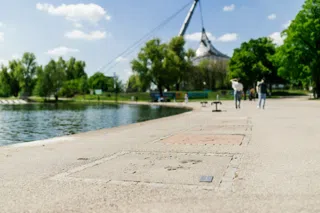
Walking Munich's Olympiapark with the free audio guide
The tower is shut, so two other viewpoints take its place, and a free 21-chapter guide walks you past the 1972 memorial.

Munich Christmas Markets 2026: Dates, Stops and a Crowd-Smart Day Plan
Dates, prices and the order to walk Munich's winter markets, including the 138 stalls on Marienplatz and a lake steamer parked on a railway bridge.
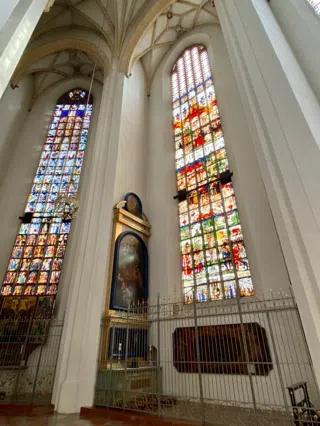
Inside Munich's Frauenkirche on a November Morning
The church is free to enter. The south tower is €7.50 and 89 spiral steps up, and the Christmas market does not reach Marienplatz until 20 November.
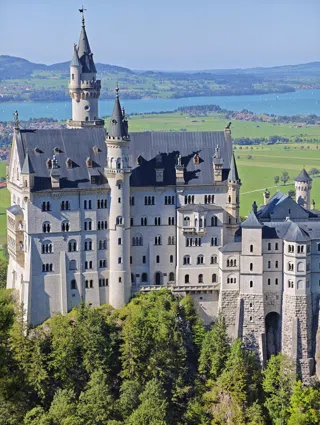
Beating the Coaches to Neuschwanstein Castle from Munich
What the 30 minutes inside covers, what you pay and how to be at the gates before the coaches arrive.
Munich's Marienplatz in October Without the Crush
October gives you two versions of Munich's central square in one day, and getting the quiet one is mostly a question of what time you walk in and which tower you pick.
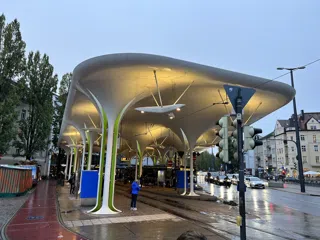
Schwabing from the Top Deck of a Munich Sightseeing Bus
Where the sightseeing coaches stop in Schwabing, what you can reach on foot from each one, and how to plan the half day around the stop rather than the ride.
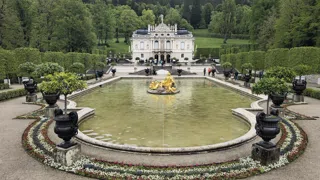
Linderhof in September, Munich's Quietest Royal Day Trip
Ludwig II's smallest palace is at the dead end of an alpine valley 100 km from Munich, and September is the last clean month to see its rebuilt Venus Grotto before the mid-October shutdown.
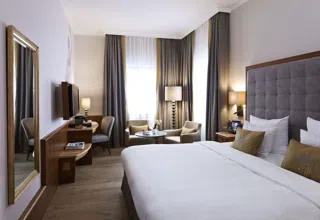
Where to Stay in Munich for Oktoberfest 2026
Fifteen beds near the Theresienwiese, priced for the festival window, with what each door says about groups and the walk home timed from every one.
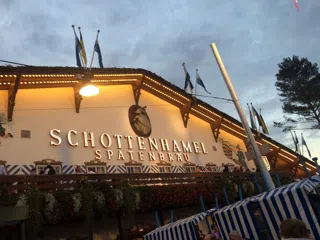
What Munich's Oktoberfest Rules Actually Mean for Visitors
Sixteen days, fourteen tents and a fairground the size of a small town, decoded for anyone who has never been.
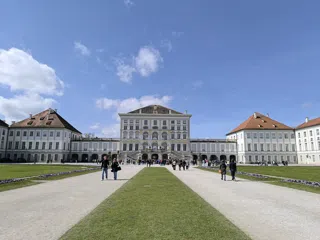
Munich's Nymphenburg: A Summer of Palace and Porcelain
A full-day route through Munich's western palace district, where a Baroque summer residence, a working porcelain manufactory and 180 hectares of parkland sit close enough to walk between.

Viktualienmarkt at Dawn — Munich's Famous Food Market Before the Crowds Arrive
Before the tour groups descend, Munich's 140-stall market belongs to a 5:30am coffee ritual, a standing-room doughnut queue, and the families who've run its counters for generations.
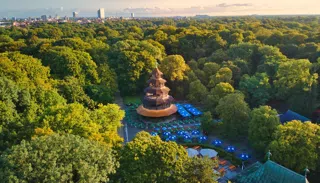
Under the Chestnut Trees: Where Munich Shares a Bench
A calm, walkable guide to Munich's beer gardens — which ones suit a big group, which suit two, and how to claim a bench under the chestnuts without getting it wrong.
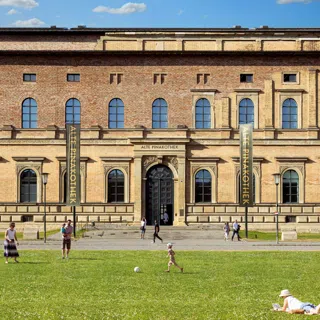
The Kunstareal: Munich's Museum Quarter Where Art Sits Four Deep
A calm, walkable route through Munich's museum quarter and its outriders — from Königsplatz marble to a wall of Warhols — with the honest version of which rooms reward an hour and which suit a group of twelve.
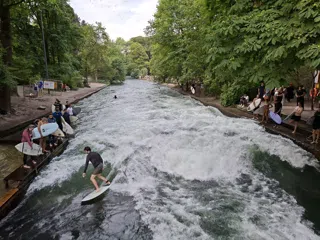
The Isar Runs Through It: Munich's Wild River and the City That Swims in It
A calm, practical route down Munich's glacier-fed river — where to watch the surfers, where it's actually safe to get in, and where to end the day with a Maß by the water.

Under the Chestnuts: Munich's Beer Gardens and the Right to Sit Under a Tree
A calm, walkable map of Munich's fourteen best beer gardens — from the world's largest to a jazz terrace above the Isar — and how to use the old right to bring your own bread and stay all afternoon.
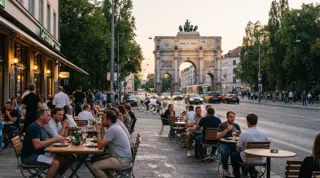
Schwabing, Munich: bohemia, beer gardens and the English Garden
Munich’s leafy north still carries the aftertaste of Kandinsky and café culture, but today Schwabing is just as much about Michelin kitchens, market stalls and long walks to the Eisbach.

Maxvorstadt, Munich: the city’s quiet brain of museums, cafés and student bars
A walkable, culture-heavy Munich district where the Pinakotheken, university streets and old pubs make the city feel lived in rather than performed.

Ludwigsvorstadt, Munich: the station district that feeds the city
Between Munich Hauptbahnhof and the Theresienwiese, Ludwigsvorstadt is all transit, appetite and useful honesty: the city’s most practical base, with excellent cheap food and no illusions about charm.

Haidhausen, Munich: the French Quarter with a Bavarian pulse
East of the Isar, Haidhausen trades marquee Munich for market stalls, wine bars and a village-like calm shaped by the Franzosenviertel and Wiener Platz.

Glockenbachviertel, Munich: the city’s most lived-in square mile
Between the Altstadtring and the Isar, Glockenbachviertel turns old workshops, queer history and late-night bars into one of Munich’s most characterful neighbourhoods.

Altstadt, Munich: the old town that still runs on lunch, beer and bells
Munich’s historic core is more than a postcard: around Marienplatz, the market and the beer halls, the city still keeps its daily time by bells, queues and fresh kegs.