Rio De Janeiro stories
22 stories from riodejaneiroguides.com, newest first.

Rio Carnival 2027 Without a Sambadrome Ticket: How the Free Street Blocos Work
You don't need a Sambadrome ticket to be inside Rio's Carnival. One free street bloco is worth a dawn start, another will split your group apart, and another moves as a slow devotional procession.

Riding Rio's Sugarloaf cable car in November 2026
What a ride on the Sugarloaf cable car costs in November 2026, which hour to go, and how the queue at the Praia Vermelha station behaves.

Rio's rack railway from Cosme Velho to Christ the Redeemer
The 3.8 km climb out of Rua Cosme Velho takes 20 minutes, but since the summit escalator works began, the timed slot you book matters more than the ride.
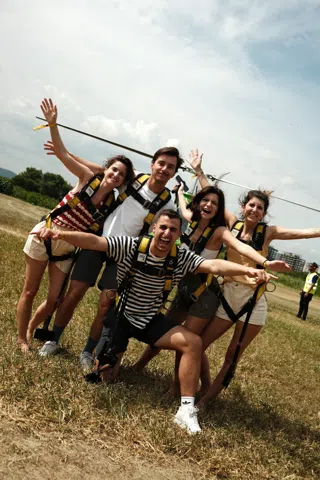
Rio Helicopter Flights Over Barra da Tijuca Worth the Seat
What the window shows you, how the operators compare for a couple rather than a group of six, and what ten extra minutes of air time over Barra da Tijuca adds to the price.

Rio's Urca Trolley Tours Are Really a Cable Car
Urca's bondinho is a cable car, not a tram, and the granite peninsula beneath it is worth a whole slow day on foot.

Timing Museu do Amanhã Right in Rio's October Heat
What the exhibition inside Rio's Museum of Tomorrow actually holds, which hour to book in October, and the port walk that explains the building.
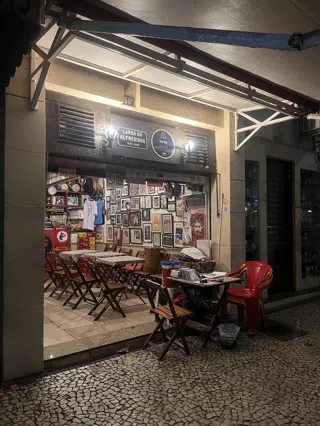
Rio's Choro Revival Is Playing Every Night of the Week
Samba gets the headlines, but Rio's older, faster instrumental music is filling bars from Copacabana to Gamboa in 2026. Here's where to actually find it.

Carnaval, Réveillon and Festa Junina Anchor Rio's Year
Rio de Janeiro's three fixed annual dates, Carnaval, Réveillon on Copacabana and Festa Junina, explained with real prices, dates and who each one actually suits.
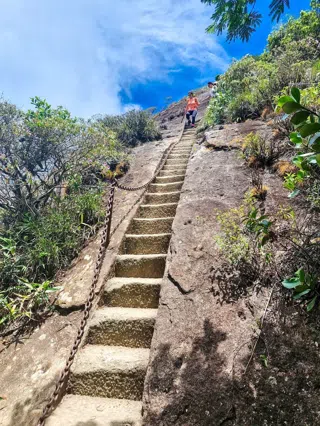
Tijuca Forest: Rio's Jungle Above the City
A practical, honest route through the rainforest that rises directly above Rio de Janeiro, from an easy summit view to the mandatory-guide climb of Pedra da Gávea.
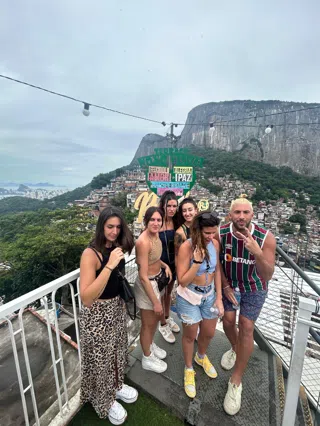
Rio's Favelas, Where Murals, Funk and Views Collide
A resident-led route through the hillside communities that shaped Rio's art, music and skyline — from the birthplace of the word 'favela' to a rooftop bar with the best sunset in the city.
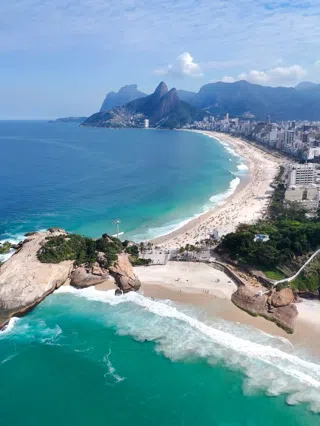
The Republic of Sand: How Rio's Beaches Became Its Only True Democracy
In a city divided by hills and income, the beach is the one address where everyone holds an equal claim — a guide to Rio's democratic shoreline, from Arpoador's sunset to Prainha's wild break.

The Maracanã Match-Day Ritual: A Local's Guide to Game Day in Rio
The match is only the centre of the afternoon — here is how to spend a Maracanã game day like a Carioca, from the tiled boteco to the samba hall next door.
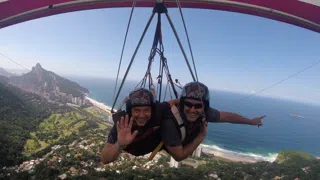
The best adventure experiences in Rio de Janeiro
From the Pedra Bonita hang-gliding ramp to a dawn scramble up Two Brothers and a baile funk that runs to sunrise — the definitive planner for an active group in Rio in 2026.

Urca, Rio de Janeiro: Sugarloaf’s Quiet Peninsula
A slow, seawall-side wander through Rio’s calmest corner, where chopp, shrimp pastel and sunset over Guanabara Bay set the pace.
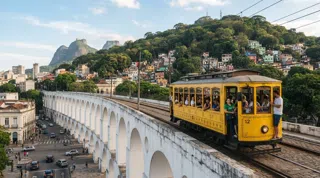
Santa Teresa, Rio de Janeiro: the hill where Rio slows down
A cobbled hill of trams, ateliers and long lunches, Santa Teresa trades beach access for colonial mansions, rainforest edges and the kind of views that make you linger.

Leblon, Rio de Janeiro: the beach neighbourhood that eats well and keeps its cool
Rio’s quiet-money beach quarter pairs a calmer stretch of sand with the city’s most concentrated restaurant scene, from Baixo Bebê to Rua Dias Ferreira.
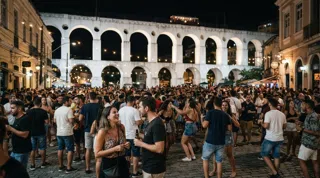
Lapa, Rio de Janeiro: where the arches give way to samba
By day Lapa is a scruffy downtown crossroads of colonial facades and antique stalls; by night it becomes Rio’s loudest open-air party, where samba, cachaça and street life spill under the Arcos da Lapa.
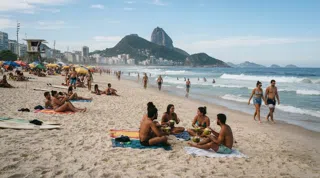
Ipanema, Rio de Janeiro: beach, bossa nova and the easy glamour of the south zone
A walk through Rio’s most self-assured neighbourhood, where the sand sets the tempo, the bars are serious, and the sunset still earns applause.

Flamengo, Rio de Janeiro: the park-side neighbourhood that lives like a local
Between the bay and the old downtown, Flamengo is Rio at practical speed: a grand park, old botecos, museum stops and metro-easy living without the beach theatrics.
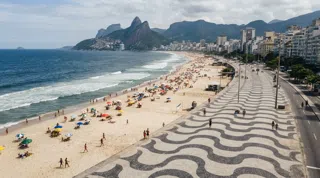
Copacabana, Rio de Janeiro: the democratic beach that never sleeps
A walk through Rio’s most famous crescent, where the mosaic promenade, botecos, fort views and all-night beach life still belong to everyone.
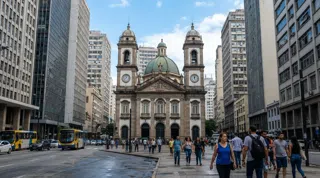
Centro, Rio de Janeiro: the city’s oldest downtown in full daylight
Rio’s founding district is a hard-working tangle of monasteries, modernist icons, Belle Époque cafés and port-side reinvention — best explored on foot, in daylight, with the office crowd as your guide.
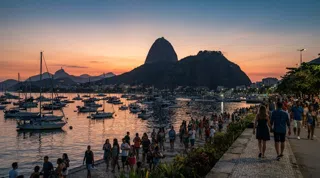
Botafogo, Rio de Janeiro: where the city goes out now
A bayside neighbourhood of craft beer, serious kitchens and late-night pavement life, Botafogo is Rio at its most local, most walkable and most restlessly in motion.