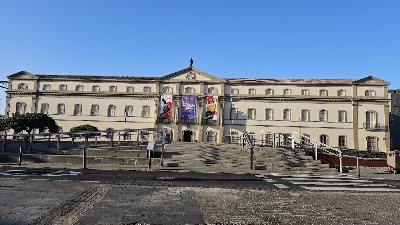
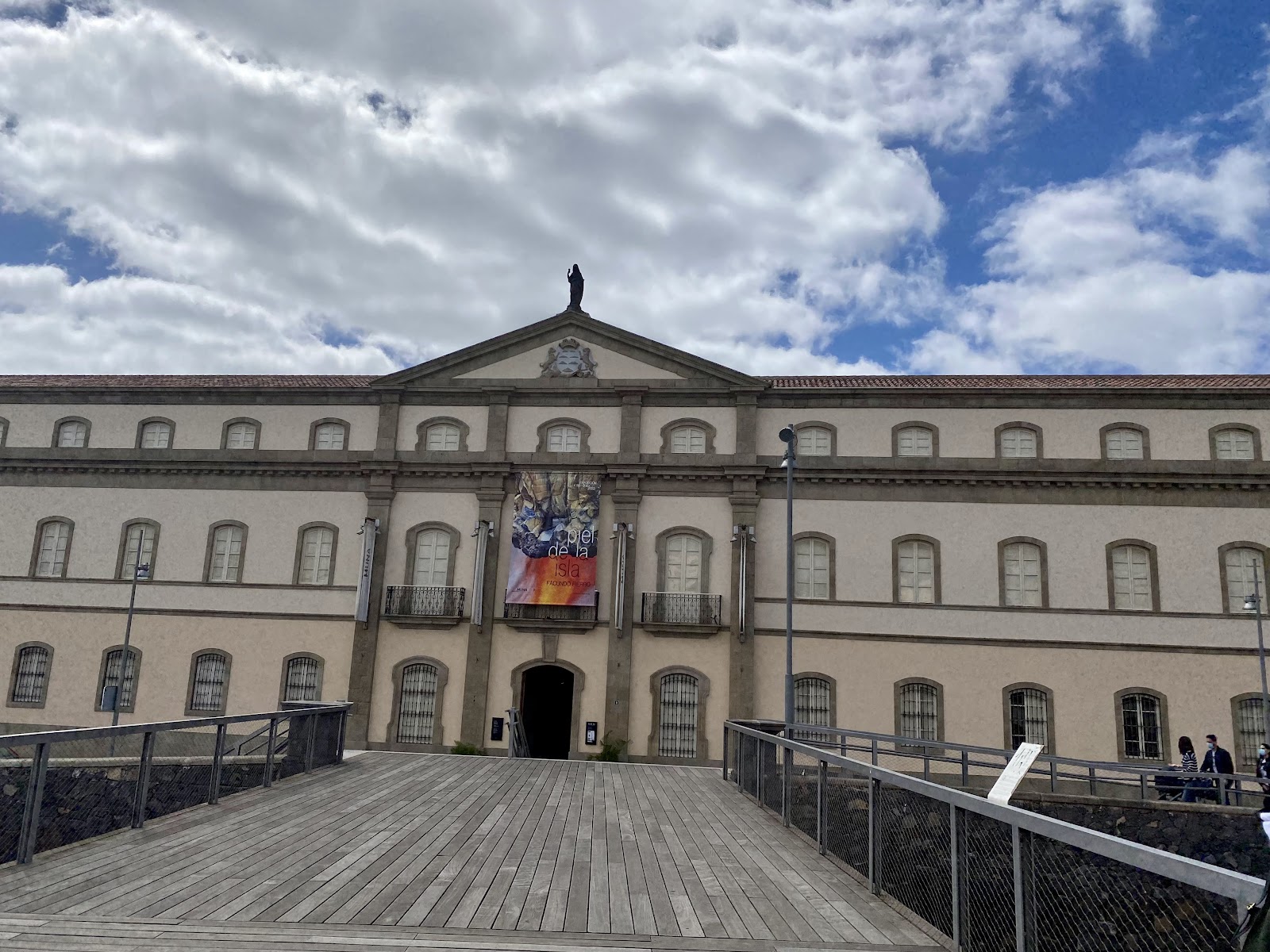
Museo de la Naturaleza y Arqueología (MUNA)
Holds the Guanche mummies and skulls that are the best physical record of the island's pre-conquest population, alongside its geology and the eruption history of Teide itself.
Allow two to three hours; a moderate entry fee; captions are in Spanish and English
More in Santa Cruz de Tenerife
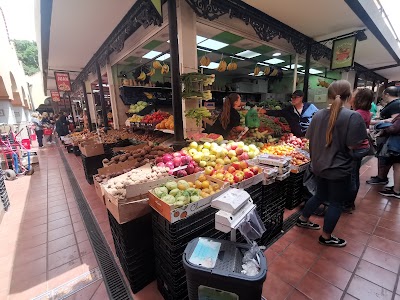
Bokanka
A terrace restaurant looking straight out over the Santa Cruz coastline, built around Mediterranean-leaning seafood rather than the heavier Canarian stews found further north.
What to order: Seafood plates with a Mediterranean lean, eaten on a sea-view terrace
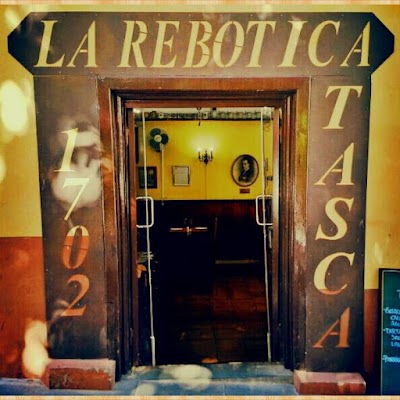
Tasca La Rebotica
A courtyard tasca under a large tree in the old town, built on Iberian pork, croquetas and tuna with potatoes rather than tourist-facing tapas.
What to order: Iberian pork and tuna with potatoes
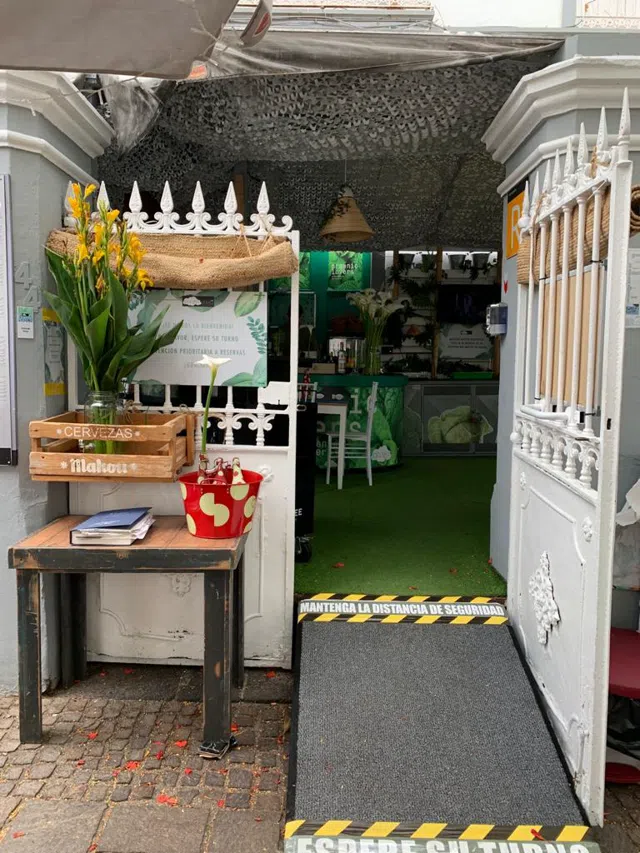
Panza Burro Tasca
A small tasca known locally for its gazpacho and honest, unfussy tapas rather than anything aimed at passing tourists.
What to order: Gazpacho and daily tapas
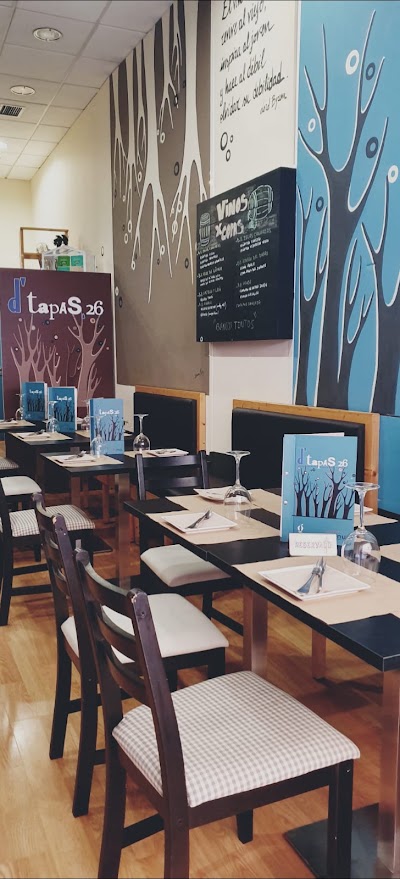
D'Tapas, 26
A reliable, inexpensive tapas bar in the capital where small plates and a short wine list do the work instead of a long menu.
What to order: Small plates of Spanish tapas
Where it is
Reviews
It was a nice experience. Kids will sure remember Mummies exhibition. It was something different to do on holidays. Fairly affordable tickets and a nice exposition. Also we loved butterflies, beetles and other animals. It was a good one for the family trip.
A fascinating museum! The collection of Guanche mummies is truly unique and impressive. Great displays on the nature and history of Tenerife. Highly recommended for a visit in Santa Cruz!
The Museum of Nature and Archaeology, known locally as MUNA, is a world-class cultural institution in Santa Cruz de Tenerife that provides an in-depth look at the volcanic origins and indigenous history of the Canary Islands. It is housed in the Old Civil Hospital, a beautiful 18th-century neoclassical building that has been designated an Asset of Cultural Interest. Key Highlights and Exhibits The museum is most famous for its extensive collection related to the Guanches, the aboriginal inhabitants of Tenerife. Guanche Mummies: MUNA is a global reference in mummy preservation, housing the world's largest collection of Guanche mummies. The exhibits use modern conservation technology to display these ancient remains and explain the funeral customs of the island's first people. Archaeological Treasures: You can view significant artifacts like the Zanata Stone, which features Berber-Punic inscriptions, as well as ancient Guanche pottery and items from the royal tombs of their kings (the Menceyes). Natural Sciences: The natural history section features life-size models of endemic species and an impressive paleontological collection. Highlights include fossils of the Tenerife giant rat, the giant tortoise, and the Gallotia goliath (a giant lizard). Inclusive Experience: Formerly known as the "Museum of Nature and Man," it was renamed in 2018 to be more inclusive. It offers free audio guides in six languages (Spanish, English, French, German, Italian, and Russian) that can be accessed on your own mobile device.
Visited the archeology part of the museum especially to see the mummies of original settlers Guanche. The museum explains the geological origins of the Canary islands very well. All explanations are in Spanish but you can scan a QR code for audio guide in several languages. Nice touch but they forgot about the hearing impaired tourists - written explanations at least in English would help. Nevertheless the archeology of Canarias is explained very well in second and third floor for every island. You learn how the Guanche lived, ate, which deseases they had and how they healed them. The most special exhibition are the mummies found in Tenerife. Last but not least, the entrance fee is modest and even reduced for seniors over 65.
Reviews are from Google. See the listing on Google Maps.