Tokyo stories
51 stories from tokyohoilday.com, newest first.

New in Tokyo This Month: A Cafe in the Imperial Palace Gardens, Temple Pancakes and More
Tokyo gained a Ginza beer hall, a sauna in a tram carriage and two museums this year. Some are worth an afternoon, and some need tickets long before you land.

Ikebukuro, Tokyo, from the rooftop aquarium to Otome Road
A walk through Ikebukuro's rooftop aquarium, 60th-floor sky park, Wright schoolhouse and ramen counters, with the hours, prices and door rules that decide the order.

Walking Koenji, Tokyo's vintage and live-house district
Vintage rails on Look, basement gigs under Koenji-minami and a 1933 bathhouse open to 01:30. Hours, prices and door rules for each.

How to spend a day in Odaiba, Tokyo's bay island
A free fountain 170 m offshore, a 1.7 km bridge walkway, a 1938 icebreaker and the cheapest high view in Tokyo, in the order you would walk them.

Kichijoji, the Tokyo district built around a pond
There are swan boats on Inokashira Pond, a 1663 Zen temple behind the arcade wall and a hundred standing bars in one alley, plus one ticket drop you have to plan the trip around.
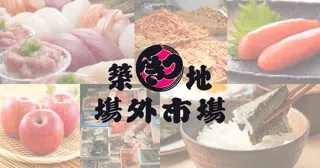
Walking Tokyo's Tsukiji from the egg stalls to the river
The wholesale trade moved to Toyosu in 2018, but Tsukiji still opens at 05:00. Where to eat standing up, which days everything shuts, and what to see once the stalls close.

Marunouchi and Nihonbashi on foot in central Tokyo
Free gardens and rooftops, kilometre zero, hand-operated lifts and the best-value bowl in Nihonbashi. The closed days decide what order you walk it in.

Tokyo's Akihabara, from radio parts to arcade floors
A street-by-street walk through Akihabara in 2026, with the hours, prices, closures and booking rules that decide the order you do it in.

Hokkaido Snow from Tokyo: How to Add a Winter Side Trip
Sixteen snow trips you can reach from Tokyo, with 2026-27 opening dates, lift pass prices, and which bookings you have to make early.

Walking Yanaka, Nezu and Sendagi in Tokyo's old town
A shrine dating from 1706, a 10-hectare cemetery, a 170-metre shopping lane, and the Yanesen rooms you will not get into without booking.

Roppongi and Akasaka on foot in Tokyo
Four museums, two shrines, a palace garden and a robata counter in one walkable stretch of Minato, with the hours and prices that decide what order you walk them in.

How to walk Ueno, Tokyo's museum and market district
Four national collections, a shrine from 1651, a pond with swan boats and 400 stalls under the railway, plus the 2026 prices, closing days and booking rules that set the order of your day.

Why the World Drives to Tokyo's Expressway Car Parks at Midnight
Where Tokyo's JDM crowd gathers after dark, when the lots shut, and how to see it without a Japanese licence.

Dawn Queues for Tokyo's Michelin-Starred Ramen Counters
Eight starred and Bib Gourmand ramen counters in Tokyo, with the ticket time or booking minute you have to get right at each one.

Sakura After Dark on Tokyo's Lantern-Lit Meguro River
The lanterns over Nakameguro's canal burn three hours a night until 31 March. Here is how to walk them, where to eat afterwards, and what the blue hour costs.

Tokyo's Immersive Art Rooms and How to Book Them
Two teamLab museums, a brand-new narrative complex at Takanawa and a free nightly light show in Nishi-Shinjuku: what to book, when, and what it actually costs.

Tokyo's Craft Beer Trail from Okutama Down to the Bay
Sixteen breweries and beer bars on one west-to-east line across Tokyo, with the opening days, door limits and prices that decide whether the trip works.

Tokyo Kissaten Where One Cup Takes Twenty Minutes
Sixteen coffee rooms still open in 2026, where the cup takes its time to arrive and nobody minds how long you sit with it.

Hakone Open-Air Museum on a Day Trip from Tokyo
A day of sculpture on a mountainside two minutes from the station. The fares, the door prices, where to eat and what time to arrive to miss the crowd.

Six Fuji Viewpoints in One Bus Day Around the Five Lakes
Where a coach day around the Fuji Five Lakes gets you, what each stop costs at the door, and the three viewpoints no bus can reach.

Akihabara in September, Tokyo's Last Open-Street Sundays
September is the last month Chuo-dori closes to traffic on Sundays, which makes it the month to build an Akihabara day around.

Walking Tokyo's Ginza on a September Saturday
How to walk Chuo-dori end to end in September heat, which day to go, and what is actually open when you get there.

Walking Shibuya Crossing and Back Streets in September 2026
A street-by-street route through Shibuya for September 2026: where to stand, what each stop costs, and which ones a group can get into together.

Tokyo's Skyline Decks From Skytree Down to Shibuya Sky
Fifteen ways to get above Tokyo's roofline, with what each one costs, which ones are free, and which need booking fourteen days out.

Ikebukuro Turns Tokyo Shopping Into a Halloween Street Party
Five days at the end of October when Ikebukuro's boulevard, parks and department stores all run the same programme, and how to work them.

Chasing Tokyo's Late Maples From Rikugien to Shinjuku Gyoen
Tokyo's ginkgos and maples peak two weeks apart, and each garden turns on its own schedule. Book the wrong fortnight and you miss the season by days.

Kichijoji Slows Tokyo Down Around Inokashira Park
Fifteen minutes west of Shinjuku you get a pond, five alleys of bars and a museum you must book a month ahead. Kichijoji, in walking order.

Tokyo With Teenagers Without the Forced March
Three bookings run on their own calendar and have to be made early. The rest of the week is afternoons that need no transfers, built so nobody gets walked into the ground.

Kagurazaka's Bakeneko Cat Parade, One Sunday in Tokyo
Before 11 October 2026, sort out the ¥500 badge, the strict cat-only costume check, and where you will eat when every restaurant on the hill has a queue.

Halloween Weekend in Tokyo's Ikebukuro, Hour by Hour
Five days of free stages and cosplay crowds around Ikebukuro's east and west exits, with the timings, the prices, the door rules and the places that stay open all night.

Seven Tokyo Day Trips That Earn a Day of a First Visit
Which trains out of Tokyo repay a whole day, which ones need only a morning, and the opening times, cash rules and ropeway closures that decide whether the day works.

How to See Tokyo in Half-Days Instead of Checklists
A slower way to plan Tokyo: one booked appointment a day, the river boats between them, and the early hours when the big sights are still empty.

Eating Late in Tokyo's Kagurazaka Lanes
A plan for Kagurazaka after dark, worked out slope by slope: the soba closes at eight, and one counter bar is still pouring at three in the morning.

Tokyo in September Without Losing a Day to Heat or Rain
How to build a Tokyo week around 32°C afternoons and a storm that may or may not arrive, with the bookings that still hold when the trains stop.

Walking Tokyo's Strangest Vending Machines After Dark
A tested night route through Tokyo's oddest machines: canned oden in Akihabara, 2,000 capsule machines in Shibuya, insect snacks in Takadanobaba and a bar with no bartender.

What Tokyo's Tuna Auction Actually Looks Like at 5 A.M.
Before dawn at Toyosu, a few hundred million yen of frozen tuna changes hands in seconds: here's how to watch it, who to eat with afterward, and where the doors actually open for groups.

Riding the Yamanote Line Through Five Eras of Tokyo Architecture
One loop, no transfers, and a stop-by-stop reading of Tokyo's built history from Edo tombs to a 2019 glass tower.

Before the Bell: A Sumo Morning in Tokyo's Stables
A dawn walk through Ryogoku's sumo stables — who gets in for free, who needs a guide, and what to eat afterward.

Tokyo's Sakura Season: A Route From Meguro to Ueno
A working route through Tokyo's 2026 hanami season, from Meguro River's night reflections to Ueno Park's tarp-city picnics, with honest notes on crowds, cost and which spots actually suit a group.

Akihabara After Midnight, When the Salarymen Come Out to Play
A door-by-door, yen-by-yen route through Electric Town's maid cafés, arcades, and idol theatres for the two hours between a Tokyo office and the last train home.

Tsukiji After Dark, Toyosu Before Dawn
Tsukiji's outer market never lost its blade-smiths or its 24-hour sushi counter — here's how to spend the night there and time it right for Toyosu's actual pre-dawn tuna auction.

Basement Feasts: Tokyo's Depachika Food Halls and the Art of Eating Underground
How to descend beneath Tokyo's grand department stores and build a world-class dinner from four counters for under ¥2,000.

How Tokyo Soaks: Inside the City's Enduring Bathhouse Rituals
A practical, honest map of Tokyo's hot-spring spas and neighbourhood sento — which soak suits a couple, a group, or a traveller with tattoos, and exactly how to get in.

Midnight at Daikoku PA: Inside Tokyo's Underground Car Scene
A practical, honest guide to the Shuto Expressway car meets, the tuner shops, and the ways you can actually drive Tokyo's JDM night scene in 2026 — not just watch it.

Tokyo's Car Culture Tours for Enthusiasts
A practical 2026 guide to Tokyo's car culture — where to spectate, where to actually drive, and the paperwork you must sort before you land.

Yanaka, Tokyo: Old-Tokyo Streets, Cats and Temples
A slow, pre-war corner of Tokyo where Yanaka Ginza still smells of croquettes at dusk, temple lanes run deep, and the city remembers how to walk.

Shinjuku, Tokyo: the city that never quite stops
A walk through Tokyo’s busiest hub, where station tunnels, yakitori smoke, skyline views and tiny bars all pull in different directions at once.

Shimokitazawa, Tokyo: Tokyo’s Scruffiest Indie Quarter
A walk through Shimokitazawa, where vintage racks, live houses and tiny bars still outnumber polished façades, and the neighbourhood’s old character survives the redevelopment around it.

Shibuya, Tokyo: the crossing, the clubs and the quiet lanes beyond
From the Scramble Crossing to alley bars and rooftop parks, Shibuya is Tokyo at full throttle — and, if you know where to turn, surprisingly hushed.
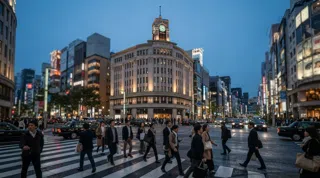
Ginza, Tokyo: the polished district where Tokyo eats, shops and drinks well
Tokyo’s most grown-up neighbourhood folds flagship retail, serious sushi, basement ramen and precise cocktail bars into a grid that feels calm at street level and intensely curated above it.

Asakusa, Tokyo: Old Edo Still Breathing on the Sumida
Tokyo’s most lived-in temple town still runs on incense, tempura, river wind and cheap drinks — a district where old Edo isn’t staged so much as continued.