Beaty Biodiversity Museum
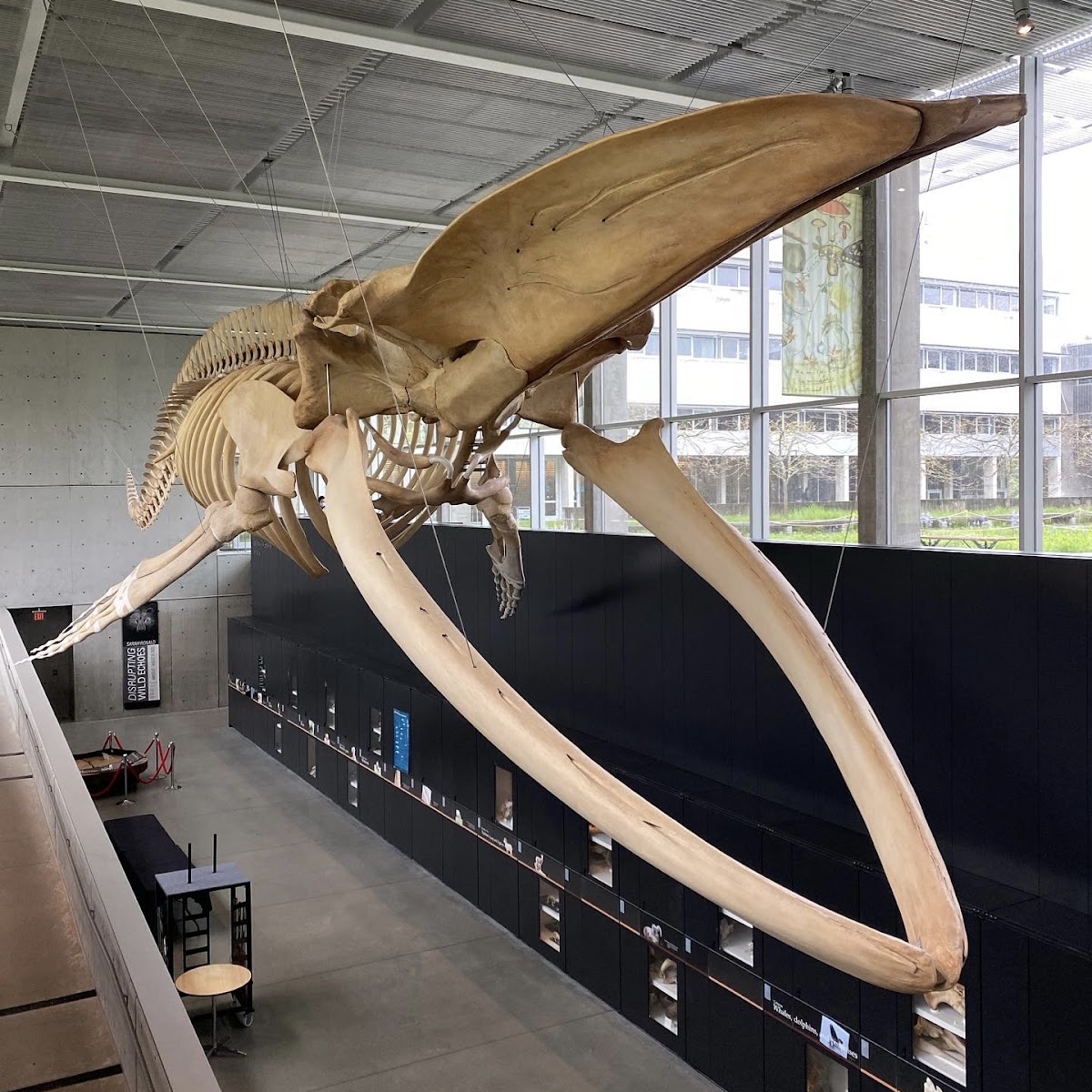
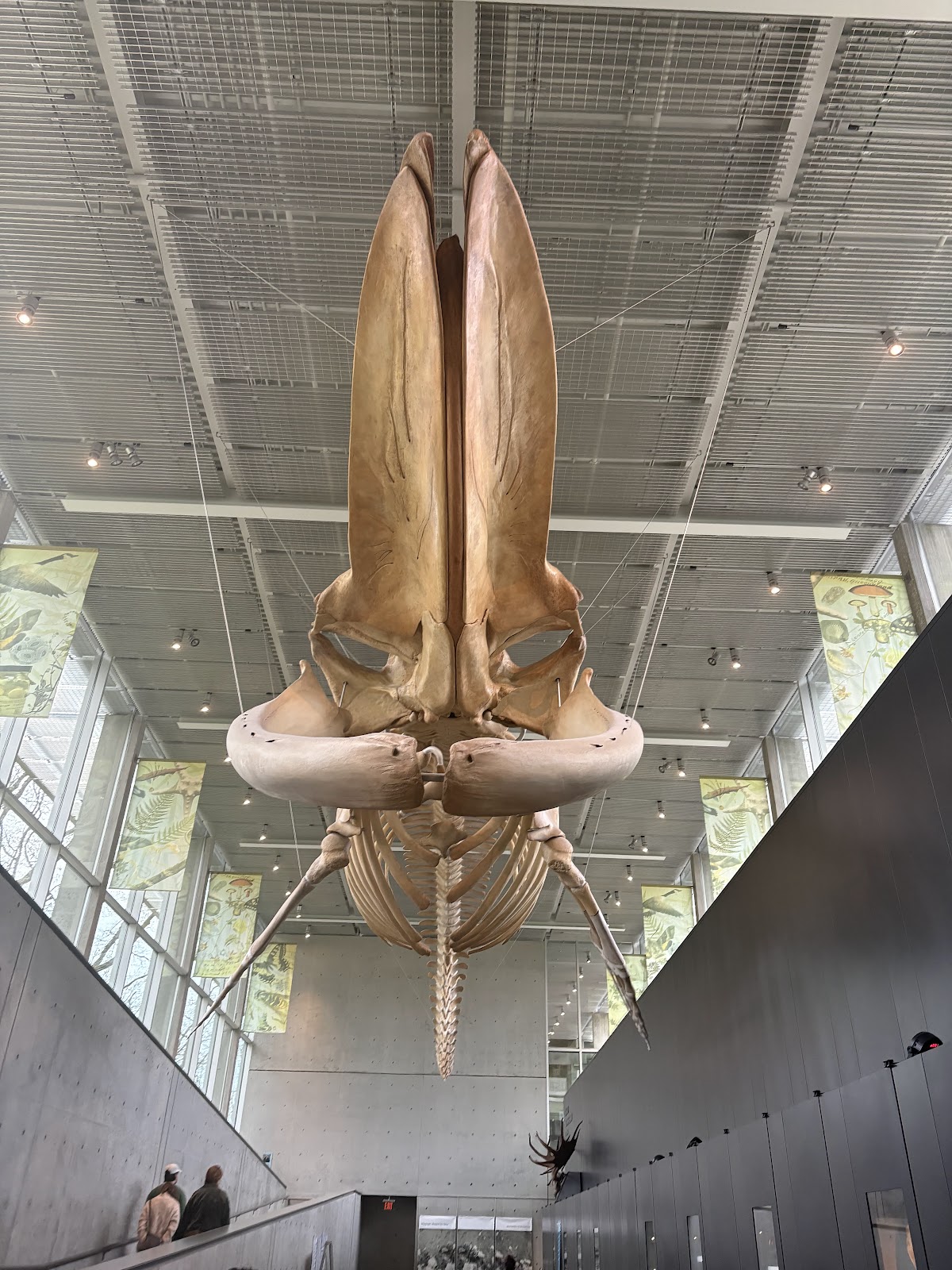
Cuenta con más de dos millones de especímenes de historia natural, dominados por un enorme esqueleto de ballena azul suspendido del techo.
Situado en el campus universitario; tranquilo y muy educativo.
Más museums en Vancouver
Museum of Anthropology (MOA)
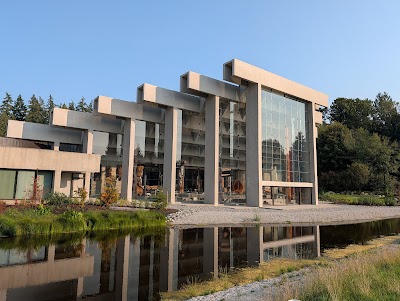
Alberga una colección de renombre mundial de tallas de las Primeras Naciones de la Costa Noroeste, tótems y arte contemporáneo en un espectacular edificio diseñado por Arthur Erickson.
Consejo: Situado en el campus de la UBC; dedica al menos medio día incluyendo el tiempo de viaje desde el centro.
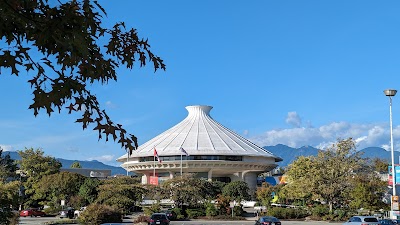
Museum of Vancouver
Explora la historia social de la ciudad desde principios del siglo XX hasta la actualidad a través de exposiciones creativas y de estilo retro.
Consejo: Situado en Vanier Park, fácil de combinar con el Museo Marítimo.
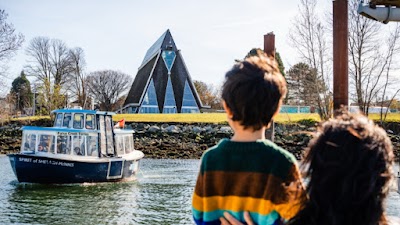
Vancouver Maritime Museum
Presenta el histórico St. Roch, el primer barco en atravesar el Paso del Noroeste de oeste a este.
Consejo: Excelente para familias y entusiastas de la historia marítima; se tarda unas dos horas.
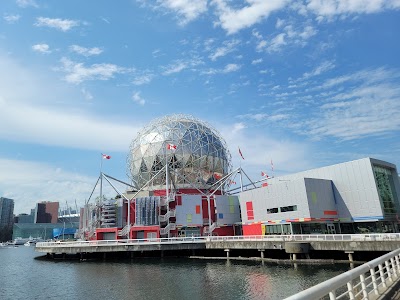
Science World
Alojado en el icónico domo geodésico construido para la Expo 86, con galerías de ciencia interactivas y un cine OMNIMAX.
Consejo: Muy familiar; lo mejor es visitarlo en tardes de días laborables para evitar los grupos escolares.
Dónde está
Reseñas
I recently visited the Beaty Biodiversity Museum and really enjoyed the experience. The museum is unique, fascinating, and full of interesting information. There was so much to look at, read, and explore, which made the visit both fun and educational for adults and kids alike. My favorite part was the entrance with the incredible whale skeleton, it was absolutely amazing how big and real it is. The only downside was the experience at the ticket desk. The staff member we spoke with came across as rude and a bit condescending when we were asking questions, which wasn’t the best start to the visit. Thankfully, the museum itself more than made up for it. Overall, I would still highly recommend visiting if you enjoy nature, science, and learning something new.
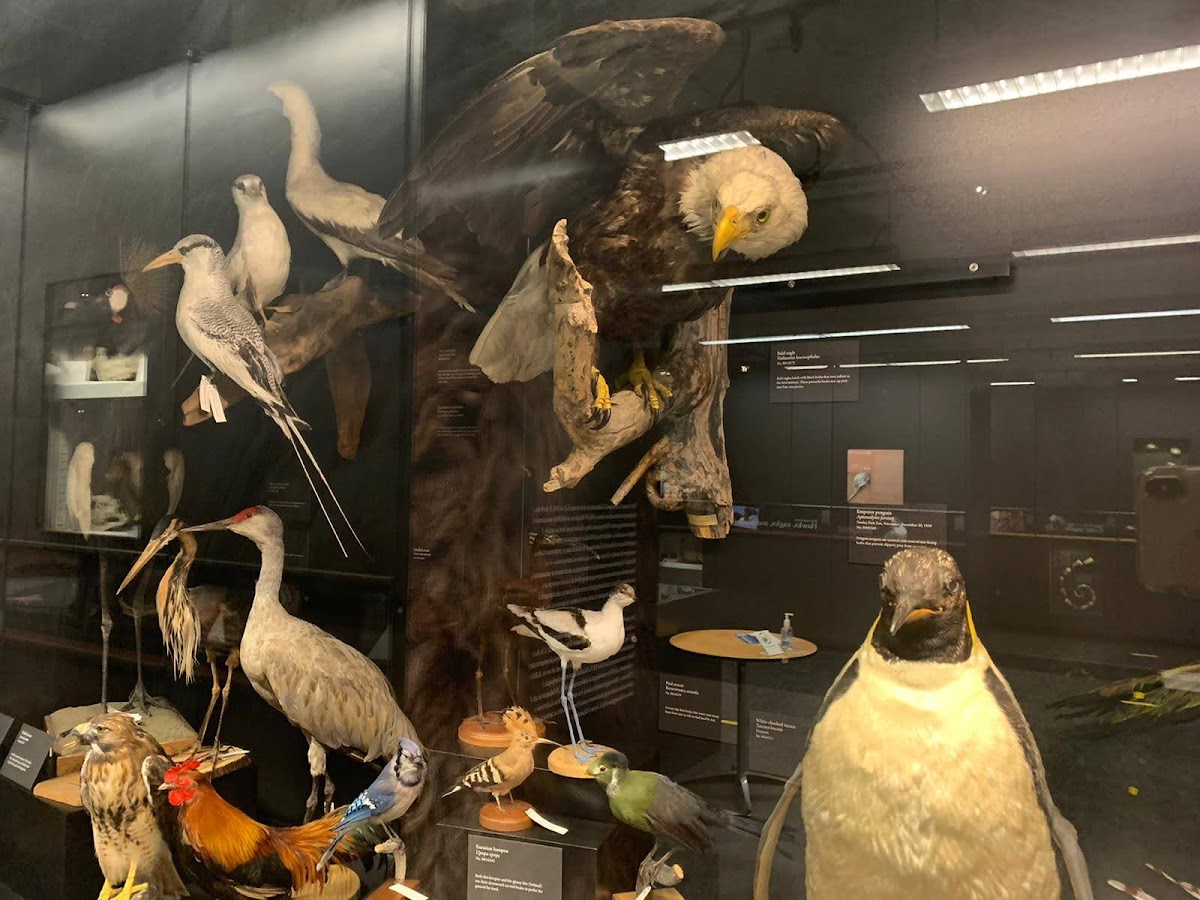
An amazing experience! Although it was mostly rows of specemin cabinets, there were plenty of glass cabinets to look into, and lots of larger specimens on display. The drawers in the open areas can be opened, with lots of cool animal facts and preservation procedures. Most of my photos are from the mammal area, but there's entire sections on plants, coral, and invertebrates as well. Most of the skeletons were in the entrance area. My only wish is for a seated area for life drawing but that's a really niche request.
Went with a friend to do the Tourism Challenge. Never been before, saw and learned so much here. Shoutout to Astrid, Charlie and Karl for making our experience memorable!
It’s a fascinating and unique place. Some people joke that it feels like a giant cemetery - a bit dark, but not entirely wrong. Many of the animal and plant specimens have been here for decades. Each specimen feels like a teacher, quietly sharing the story of nature. They’re not just displays; they form the foundation for research and inspire both children and adults to appreciate biology. What I especially value is how the museum explains the process of collecting, cataloguing, and preserving specimens, while also serving as the actual storage site. I hope visitors leave with a deeper respect for nature.
Las reseñas son de Google. Ver la ficha en Google Maps.