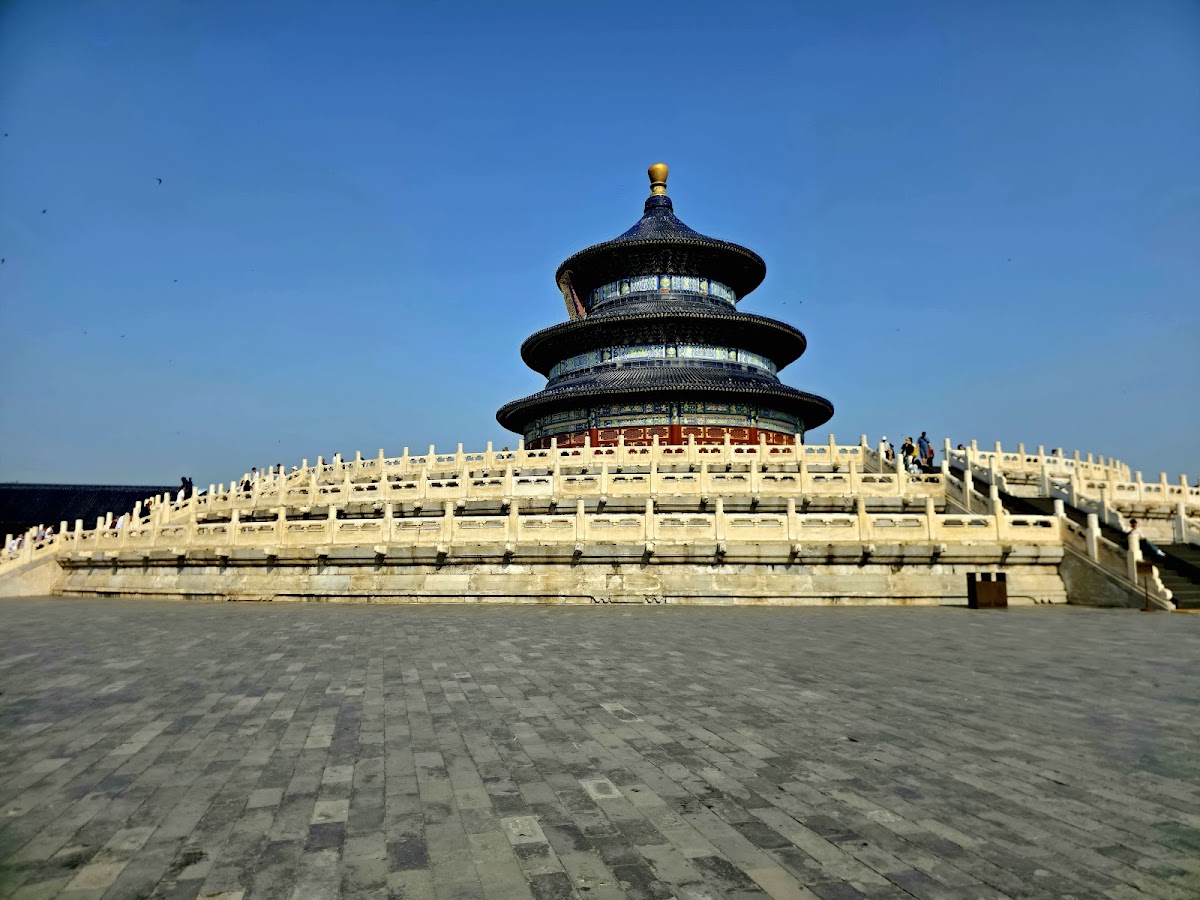
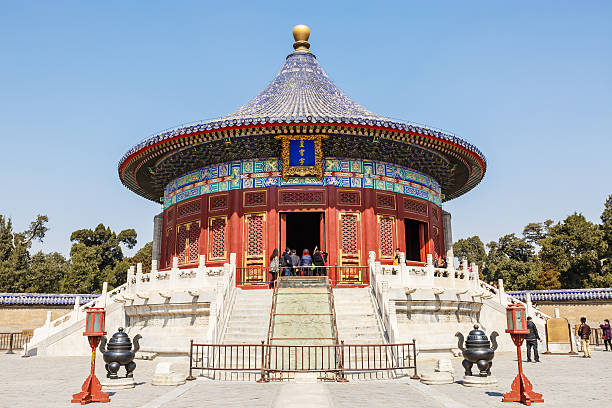
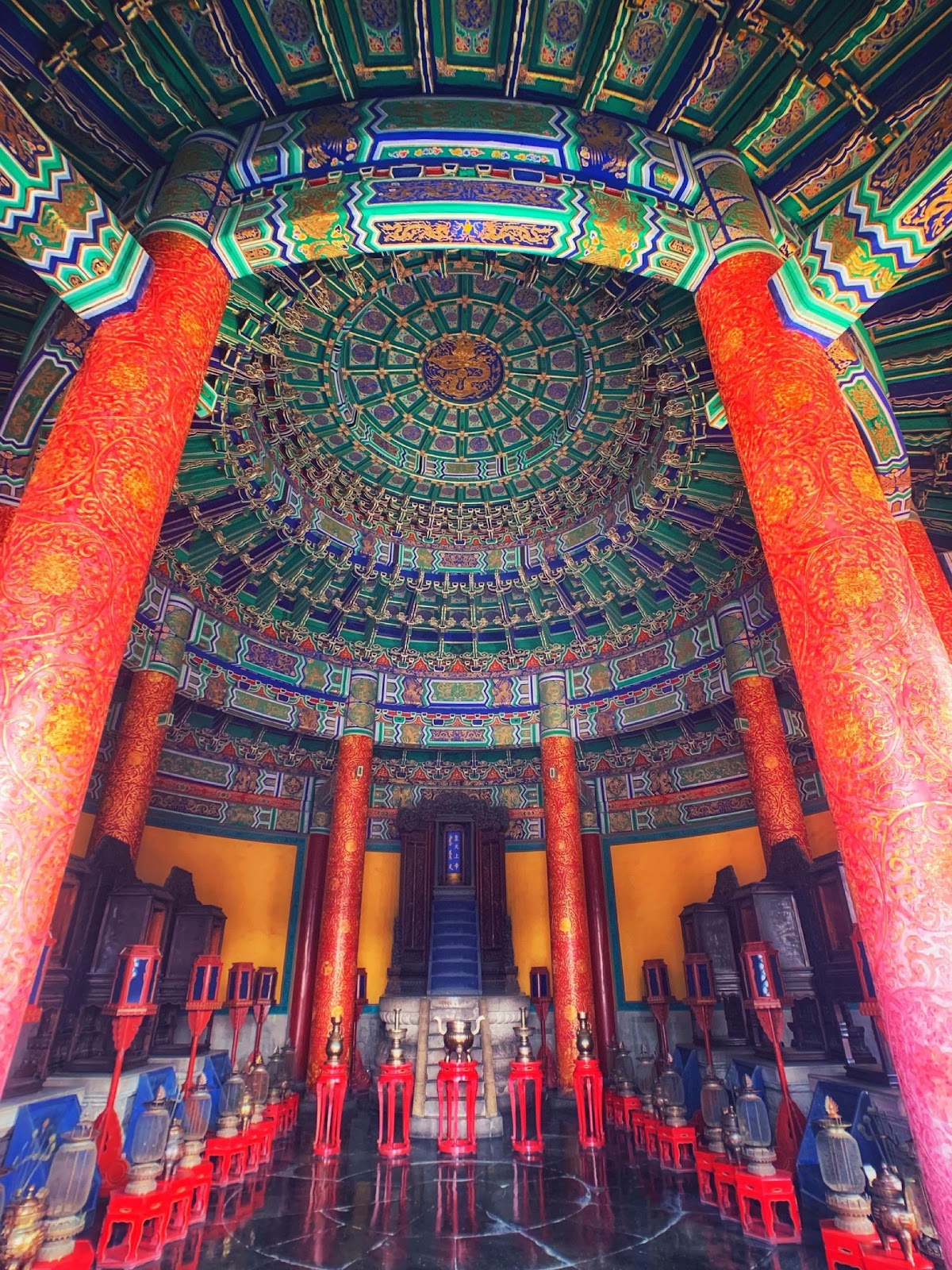
Temple of Heaven
Un chef-d'œuvre de l'architecture en bois de la dynastie Ming, où les empereurs accomplissaient des rituels solennels pour assurer de bonnes récoltes.
Visitez-le tôt le matin pour voir des centaines de retraités locaux pratiquer le tai-chi, la calligraphie et la danse traditionnelle dans le parc environnant.
Plus à Dongcheng
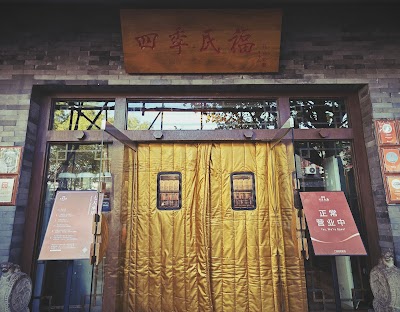
Siji Minfu (四季民福)
Constamment salué pour servir le canard laqué le plus équilibré de la ville, avec une peau exceptionnellement croustillante et une chair tendre sans excès de gras.
À commander: Canard laqué de Pékin traditionnel servi avec de fines crêpes et une sauce de haricots sucrée.
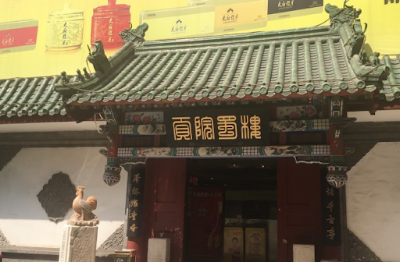
Chuan Ban (川办餐厅)
Installé dans les bureaux officiels du gouvernement provincial du Sichuan, cet endroit légendaire sert des plats sichuanais authentiques et incroyablement épicés.
À commander: Poulet appétissant à l'huile de piment et Mapo Tofu.
The Georg
Combine le design scandinave minimaliste et les techniques culinaires avec un cadre historique de cour à toit de verre le long d'un canal tranquille.
À commander: Menu de dégustation saisonnier en plusieurs plats mettant en vedette des fruits de mer séchés et des bouillons artisanaux.
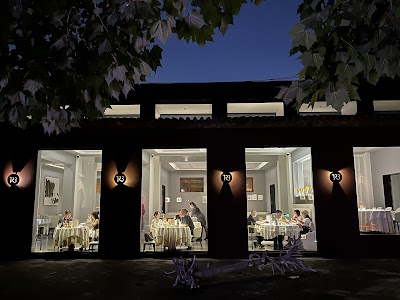
TRB Hutong (Temple Restaurant Beijing)
Offre une gastronomie européenne contemporaine impeccable dans un complexe de temple bouddhiste tibétain magnifiquement restauré vieux de 350 ans.
À commander: Bœuf Wagyu australien rôti lentement avec truffes de saison.
Où c’est
Avis
Visited Temple of Heaven during my solo trip to Beijing and it was definitely worth visiting. The park is huge, peaceful, and beautifully maintained. Loved seeing locals exercising, dancing, and playing music around the area — it gave a very authentic local vibe. The architecture of the temples is stunning, especially the Hall of Prayer for Good Harvests. A great place to walk around, take photos, and experience a different side of Beijing beyond the busy city attractions. Highly recommend visiting in the morning for the best atmosphere.
The Temple of Heaven () is a magnificent UNESCO World Heritage Site located in the southeastern part of central Beijing, China. This sprawling 270-hectare complex is the world's largest surviving imperial sacrificial altar. For nearly 500 years, emperors of the Ming and Qing dynasties visited this sacred ground to perform elaborate rituals and pray for abundant harvests. The entire complex is a masterpiece of landscape design and architectural engineering . The northern half of the inner temple park is semicircular (representing the roundness of Heaven), while the southern half is rectangular (representing the squareness of Earth).The Main Hall: The iconic Hall of Prayer for Good Harvests is a towering, triple-roofed circular wooden structure built entirely without a single nail. Its blue roof tiles explicitly mirror the color of the sky. Numerical Patterns: The interior features 28 massive pillars. The four central pillars represent the seasons, 12 inner pillars represent the months, and 12 outer pillars represent the traditional Chinese hours. Key Attractions within the ComplexHall of Prayer for Good Harvests: The central landmark where the spring ceremonies took place. Imperial Vault of Heaven: A smaller circular building that housed the ceremonial tablets of the gods. It is surrounded by the famous Echo Wall, where a whisper can travel clearly from one end to the other. Circular Mound Altar: An open-air, triple-tiered white marble platform where the emperor communicated directly with heaven during the winter solstice. Standing on the central "Heart Stone" amplifies the echo of your own voice. Danbi Bridge :A raised, 360-meter-long stone path connecting the main structures, traditionally believed to be the highway to heaven.
One of the most beautiful temples I’ve seen in Beijing. The structure and the colors are amazing. Note: even though the park is open till late, the Temple itself closes the doors at 6 pm. after which you cannot see the beautiful interior.
Temple of Heaven hosts several temples within a complex, however the main one in the middle is the most beautiful and important one. It dates back to 1420 built by Ming emperors and later used by Qing dynasty as well. Temple of Heaven counts as a religious complex where emperors of both dynasties prayed to Heaven for a prosperous year and rich harvest. Centrally positioned temple catches your eye with its three roofed royal blue tiles with golden details. Apart from it worth visiting are Echo wall and Danbi bridge, as well the pavilion where sacrifice animals where kept. Count on around 1-2 hours for entire visit
Les avis viennent de Google. Voir la fiche sur Google Maps.