One Pillar Pagoda
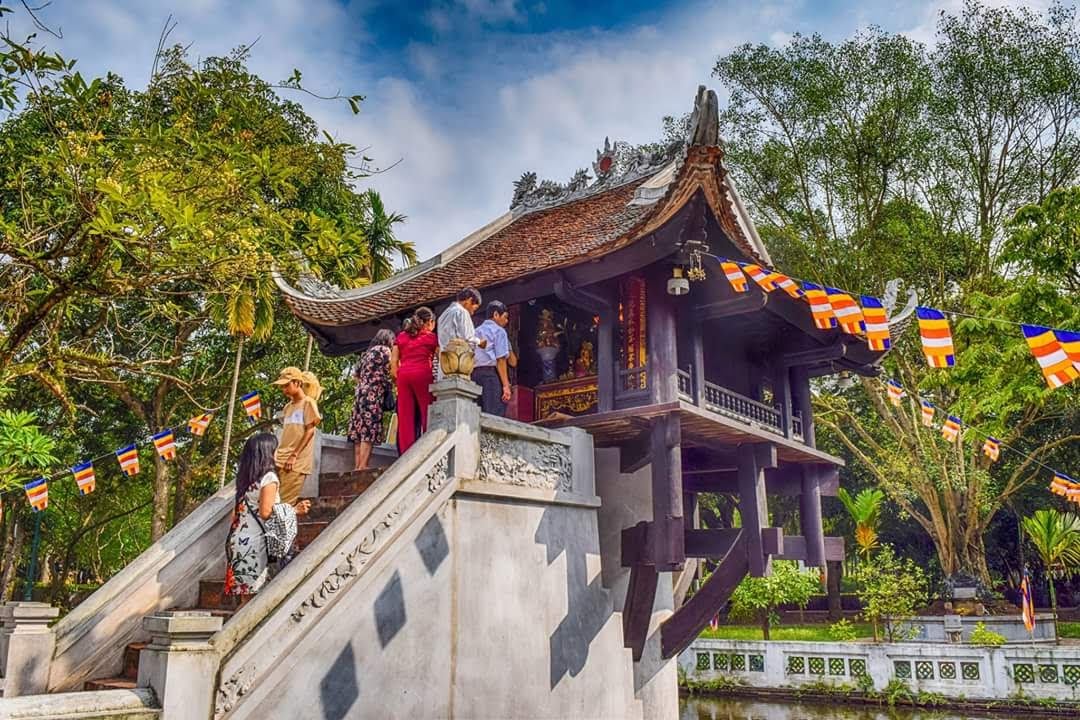
Un temple bouddhiste emblématique du XIe siècle construit sur un unique pilier de pierre, conçu pour ressembler à une fleur de lotus émergeant de l'eau.
Gratuit ; située dans l'enceinte du mausolée d'Ho Chi Minh.
Plus à Ba Dinh
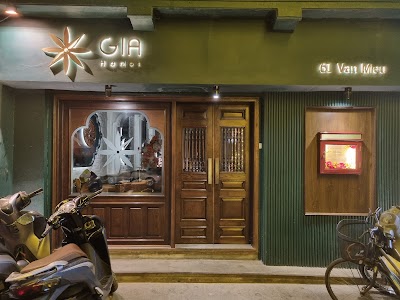
Gia
Un établissement élégant étoilé Michelin proposant un menu de dégustation saisonnier inspiré du patrimoine traditionnel et des ingrédients locaux.
À commander: Le menu de dégustation saisonnier
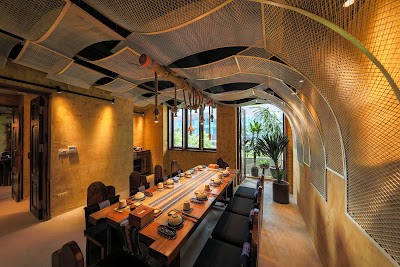
A Ban Mountain Dew
Une merveille architecturale célébrant les traditions culinaires, les techniques de fumage et les herbes sauvages des hautes terres du nord-ouest du Vietnam.
À commander: Porc de montagne grillé sur bambou

Loving Hut
Faisant partie de la chaîne végétalienne mondiale, cette succursale locale excelle dans la création de versions végétaliennes convaincantes de plats traditionnels de porc et de bœuf vietnamiens.
À commander: Pho végétalien

Hai San Pho
Un immense hall de fruits de mer haut de gamme avec des bassins vivants où vous choisissez votre prise, cuisinée à la commande.
À commander: Gambas royales cuites sous une croûte de sel
Où c’est
Avis
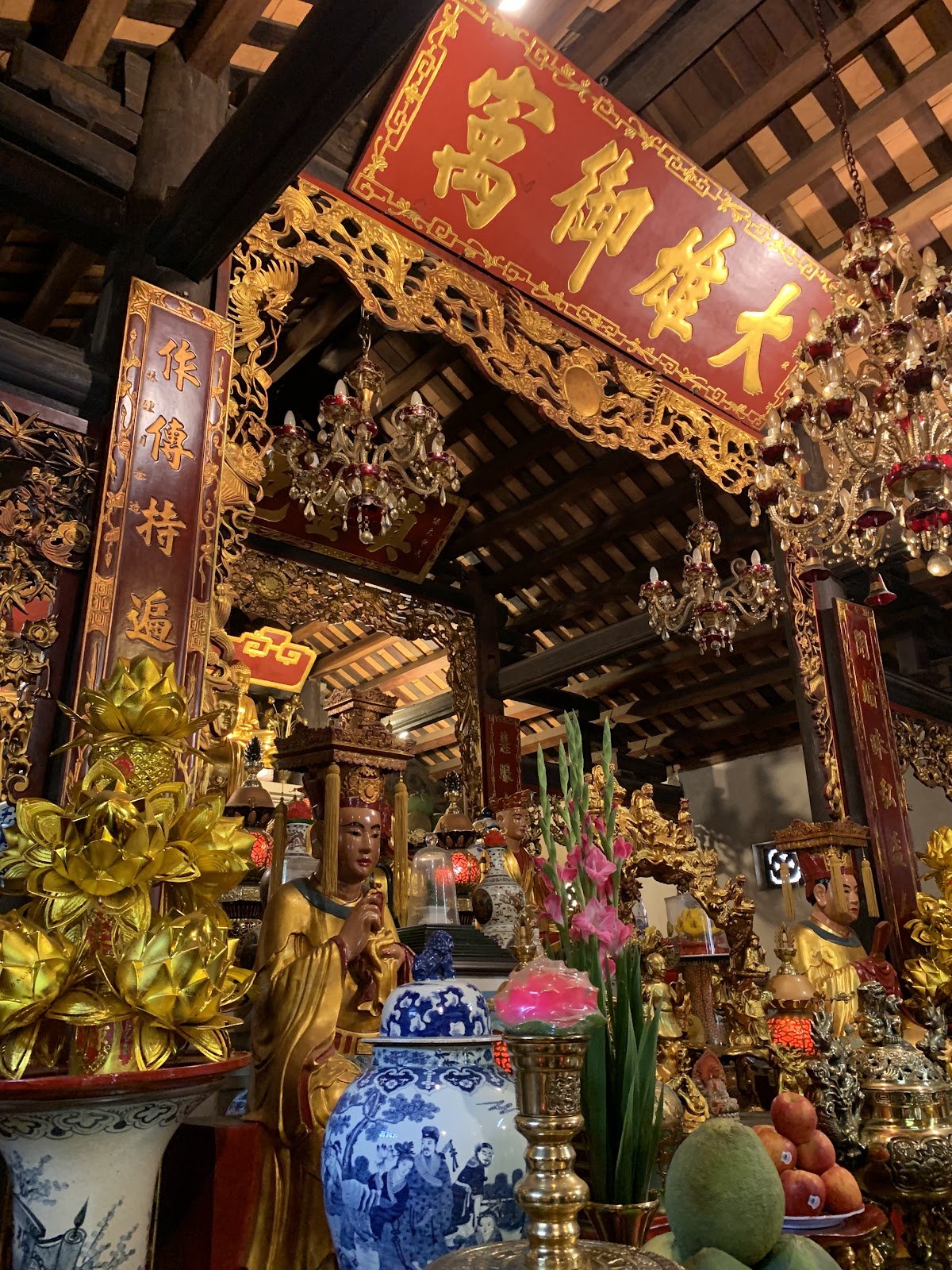
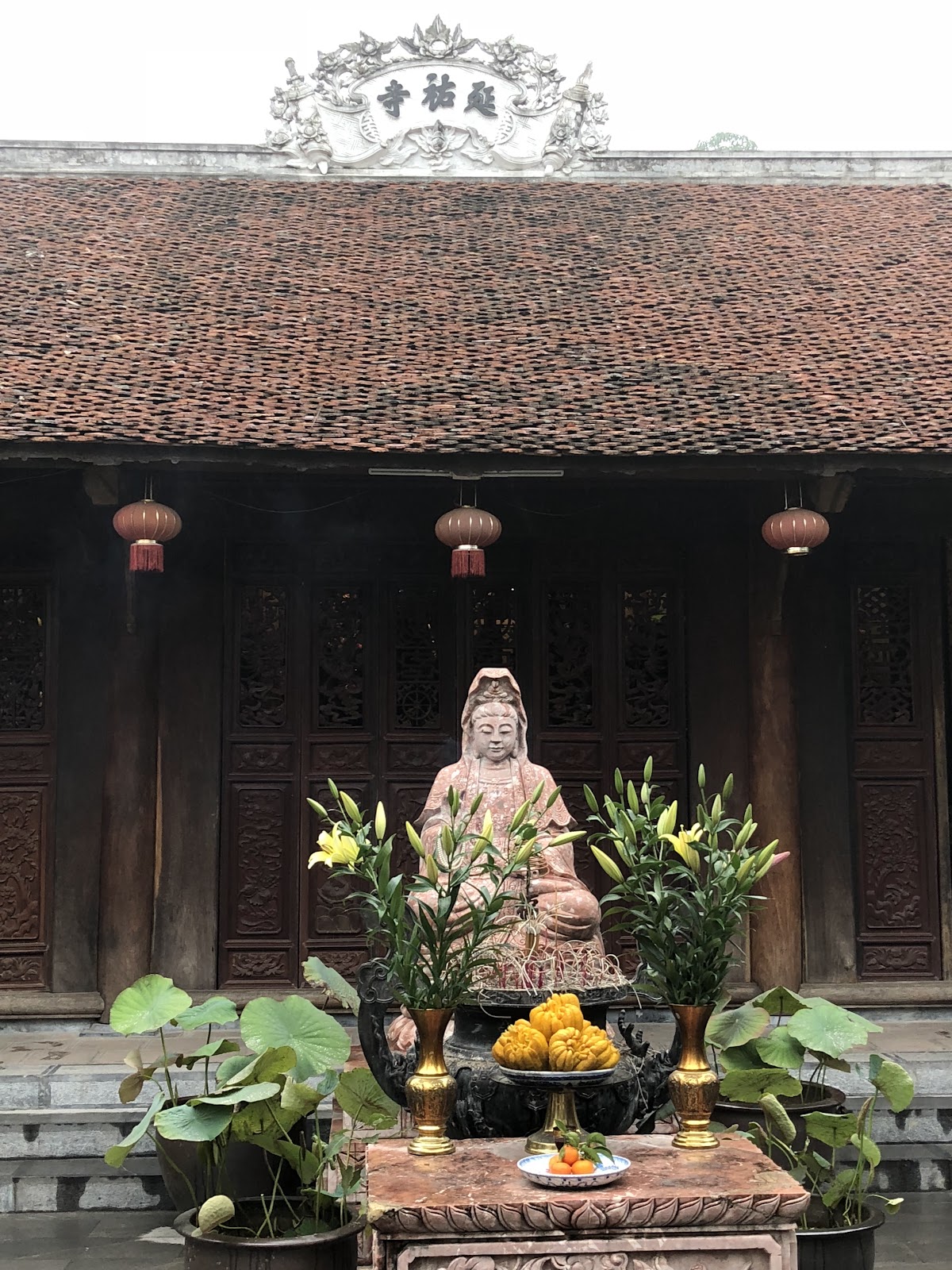
Located just a few steps from the Ho Chi Minh Mausoleum and the Ho Chi Minh Museum, One Pillar Pagoda (Chua Mot Cot) is a small structure with an enormous soul. Despite its modest size, the pagoda carries nearly a thousand years of history and remains one of the most recognizable symbols of Hanoi. Standing before it, I felt how deeply Vietnamese culture blends spirituality, architecture, and everyday life. Built in the 11th century during the Ly Dynasty, the pagoda was designed to resemble a lotus rising from the water—an image of purity and compassion in Buddhism. The single stone pillar supporting the wooden sanctuary looks delicate yet strong, much like the spirit of the nation itself. Reading the story of King Ly Thai Tong, who ordered the construction after dreaming of the Goddess of Mercy, helped me understand why this place has been cherished for generations. What touched me most was the peaceful atmosphere. Although surrounded by busy streets and important national monuments, the pagoda keeps its quiet rhythm. Elderly locals came to pray, young visitors carefully lit incense, and tourists whispered as if afraid to disturb the sacred space. The scent of flowers and the gentle sound of bells created a moment of calm in the heart of the capital. Its location makes the experience even more meaningful. After visiting the Mausoleum and the Ho Chi Minh Museum, coming to One Pillar Pagoda feels like returning to the spiritual roots that shaped Vietnamese identity long before modern history. The contrast between the grand political sites and this humble Buddhist temple shows how tradition and national pride coexist side by side. For anyone exploring Hanoi, this is not just a photo stop but a lesson in cultural continuity. One Pillar Pagoda reminds us that Vietnam’s strength comes from both historical resilience and deep respect for faith and heritage. A brief visit here leaves a lasting impression of serenity, gratitude, and connection to the past.
Visited the One Pillar Pagoda and it’s definitely a must-visit place if you want to truly experience and understand the cultural and historical essence of the spot. The entire area is surrounded by lush greenery, making it very peaceful and refreshing—check out the photos I’ve posted, they capture the vibe really well. As expected, the architecture is absolutely stunning. Simple yet meaningful, and you can feel the history behind it. What stood out the most during my visit was the way people were praying. It was so calm, graceful, and deeply spiritual—it honestly felt beautiful to just stand there and observe. The surroundings are also quite convenient, with plenty of good food and drink options nearby, so you can relax and spend some quality time after exploring. Overall, a serene and culturally rich place—highly recommended for anyone visiting. Definitely worth your time!
A quiet and peaceful place - renowned for its unique architeture. This historic Buddhist temple stands on a single stone pillar, supposedly signifying peace. The Pagoda was originally built in the mid 11th century and has since undergone many changes.
We enjoyed our visit to the One Pillar Pagoda in Hanoi. The site is small but very peaceful, with trees, gardens and a unique pagoda standing on a single pillar above a lotus pond. There is a steady flow of visitors, yet the atmosphere remains calm and pleasant. We walked around, took photos and appreciated the history and simple beauty of the place. A short but very worthwhile stop in the heart of the city.
Les avis viennent de Google. Voir la fiche sur Google Maps.