A huge lit Christmas tree and a giant nativity stand on the grey flagstones of the Zócalo each December, the twin-towered Metropolitan Cathedral floodlit behind them. Entry is free. The city government announces the exact 2026 dates in late November.
The Zócalo lights
Verbena Navideña del Zócalo fills the main square from around 20 December to the first week of January. Walk-through light tunnels cross the plaza and an artificial-snow zone runs alongside the tree. Street antojitos cost $40 to $150 MXN.
The plaza is public and open-air, so there is no door policy. Go on a weekday evening to miss the worst of the crush, and confirm the dates before you build an itinerary around them.
Where the city buys Christmas
Mercado de Jamaica is a working wholesale market of 1,150 covered stalls, its aisles walled in crimson poinsettias. Nochebuenas are native Mexican plants, and this is their home ground. Oregon pines are stacked in the gangways at $1,200 to $2,500 MXN, ceramic nativity figures sit beside them, and seven-spiked clay piñatas hang overhead on ropes at $80 to $400 MXN.
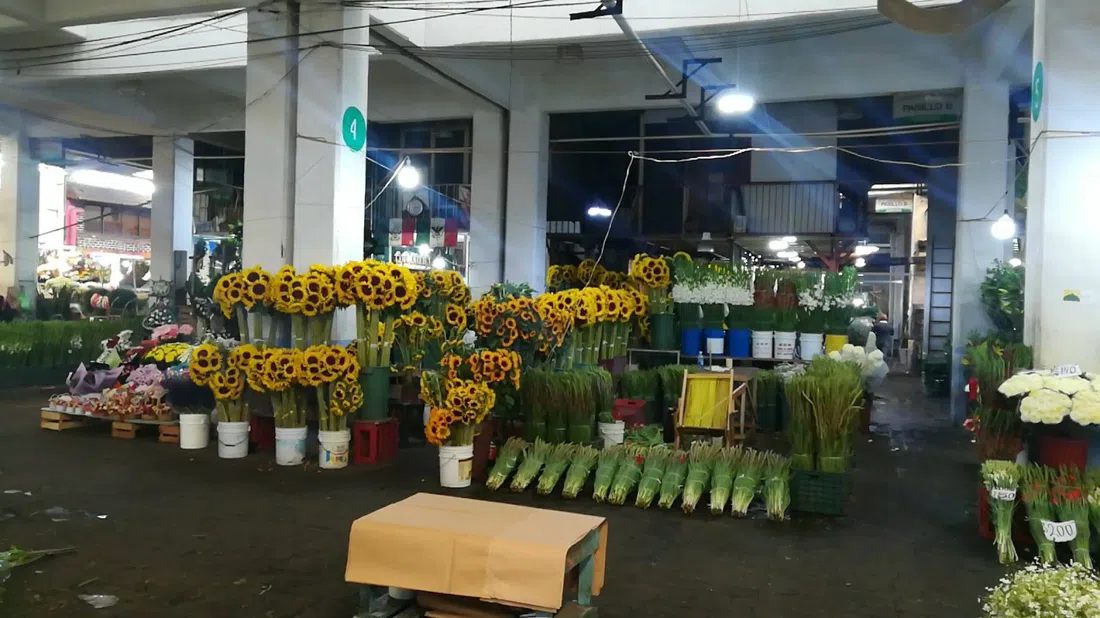
December is the market's busiest month, and its best looking. The aisles are narrow, and four to six people move through them far better than a large group.
Mercado de Sonora stocks the whole posada supply chain in one low covered hall. Hundreds of seven-spike star piñatas and cartoon characters hang in dense rows above the party-goods aisle, priced at $60 to $350 MXN. It opens 09:00 to 18:00 Monday to Saturday, and until 17:00 on Sunday.
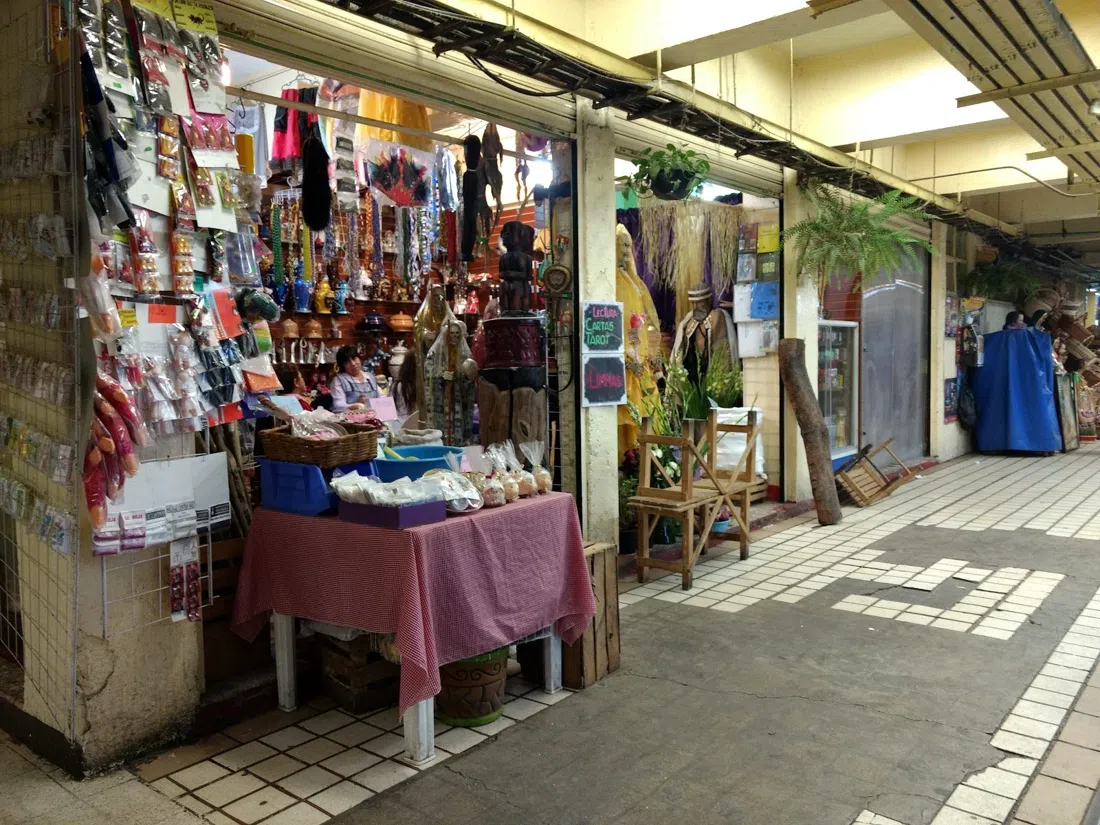
Go on a weekday morning. Fridays and Sundays are shoulder to shoulder. Past the piñatas the aisles turn to dried herbs, candles and esoteric goods, and that part of the market is a working religious space. Ask before photographing anyone.
Posadas a visitor can join
Centro Cultural Helénico in San Ángel stages the Tradicional Pastorela Mexicana nightly at 19:30, roughly 18 to 28 December. Devils in red horned costumes battle white-robed angels in a cloistered courtyard theatre, with mojiganga puppets and alebrijes towering behind them. When the show ends, the whole audience is handed ponche and Oaxacan tamales and a piñata goes up over their heads.

Un visiteur peut-il participer à une posada sans invitation locale ?
The feast falls on a Saturday in 2026, which will swell a crowd already running at 8 to 10 million. If you go on those two days, agree a meeting point with everyone before you set out. Come on any other December day and the moving walkway past the tilma is quiet.
What the dry season buys you
Mirador Torre Latinoamericana is worth the climb in December for the weather alone. The dry air gives the clearest sightlines of the year, and Popocatépetl and Iztaccíhuatl are visible from the glass-walled open-air deck on mornings when the rest of the year shows only haze. The tiled dome of Bellas Artes sits directly below.
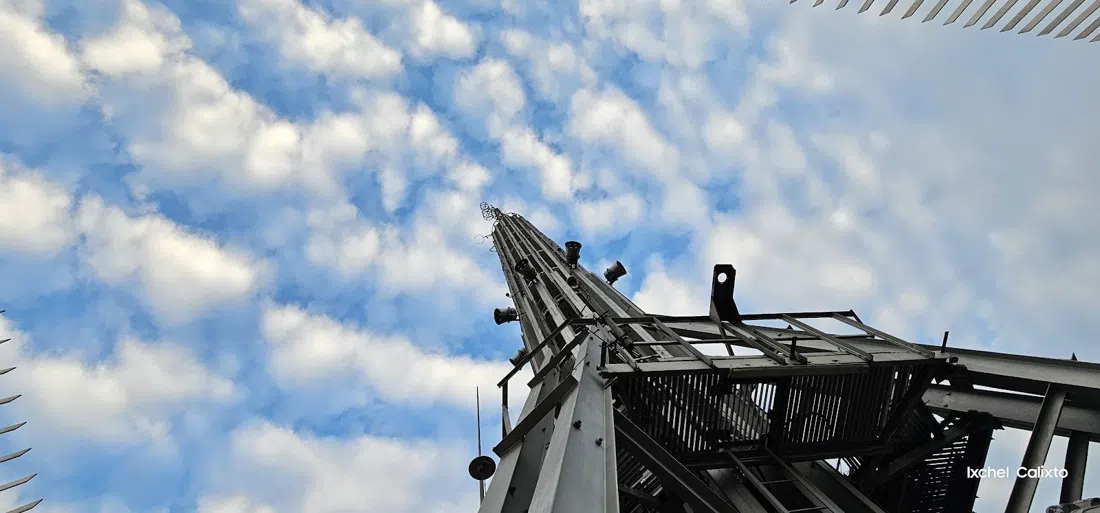
Tickets are timed and cost $220 MXN for adults and $170 MXN for children. The tower is open 09:00 to 22:00 daily, with last entry at 21:30. The deck gets tight at sunset. Take an earlier slot.
Sky Balloons Mx flies at dawn over Teotihuacán, about an hour from the city, where the December dry season makes a flyable morning close to certain. Striped envelopes inflate in half-dark, then drift over the Pyramid of the Sun at first light with the Avenue of the Dead still in shadow and dry gold scrubland running to the horizon. Flights cost $4,500 to $4,750 MXN per person including breakfast.
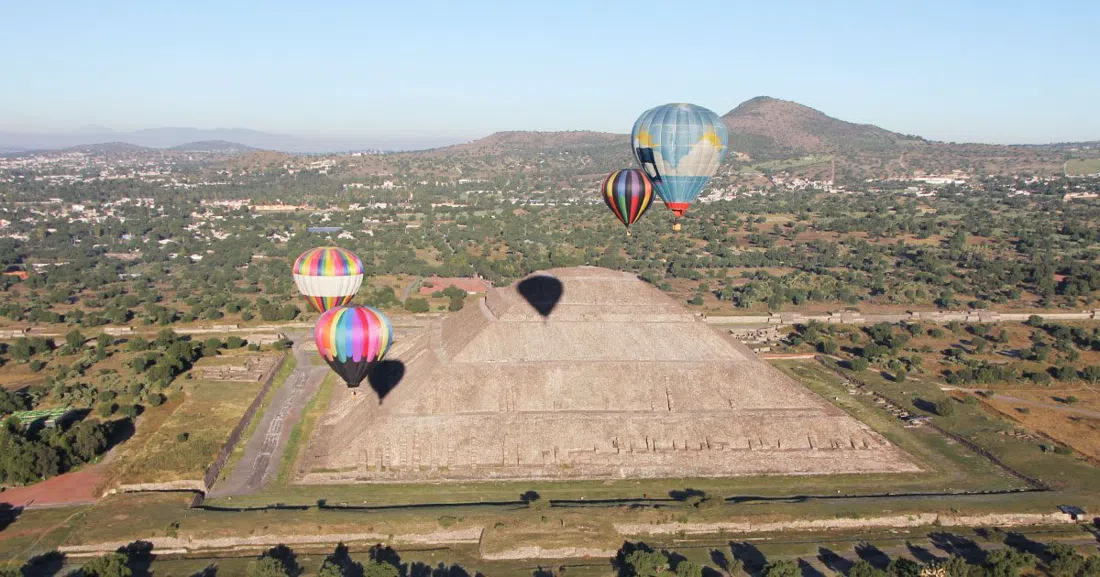
The operator is AFAC-certified and carries insurance per passenger, with more than 10 balloons taking two to 14 passengers each and a dedicated agency booking channel. Dress for near-freezing pre-dawn cold.
Evenings under a roof and under lights
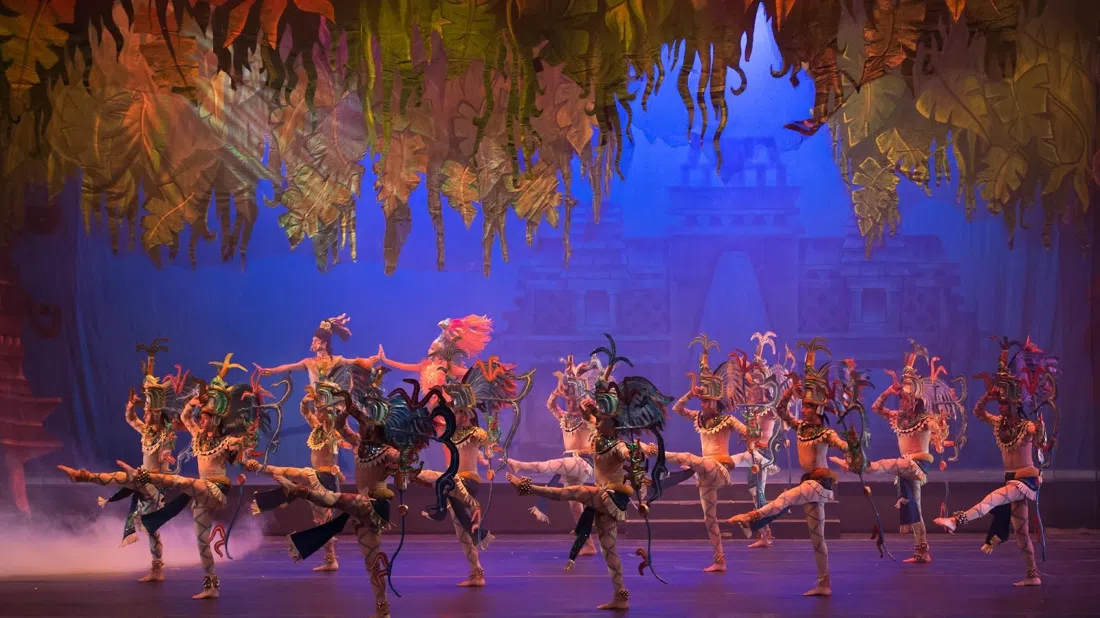
Palacio de Bellas Artes hosts the Ballet Folklórico de México de Amalia Hernández inside a white Carrara marble palace topped by an orange-and-yellow tiled dome. Dancers whirl wide ribboned Jalisco skirts, and the Tiffany stained-glass stage curtain shows the two volcanoes. Galería seats are $350 MXN, anfiteatro $1,350 MXN and luneta $1,600 MXN, sold through Ticketmaster MX or the box office, where a 20% family discount applies in cash at the window and 2-for-1 promotions run on Thursdays. If the stalls have gone, the gallery seat is worth it for the curtain alone.
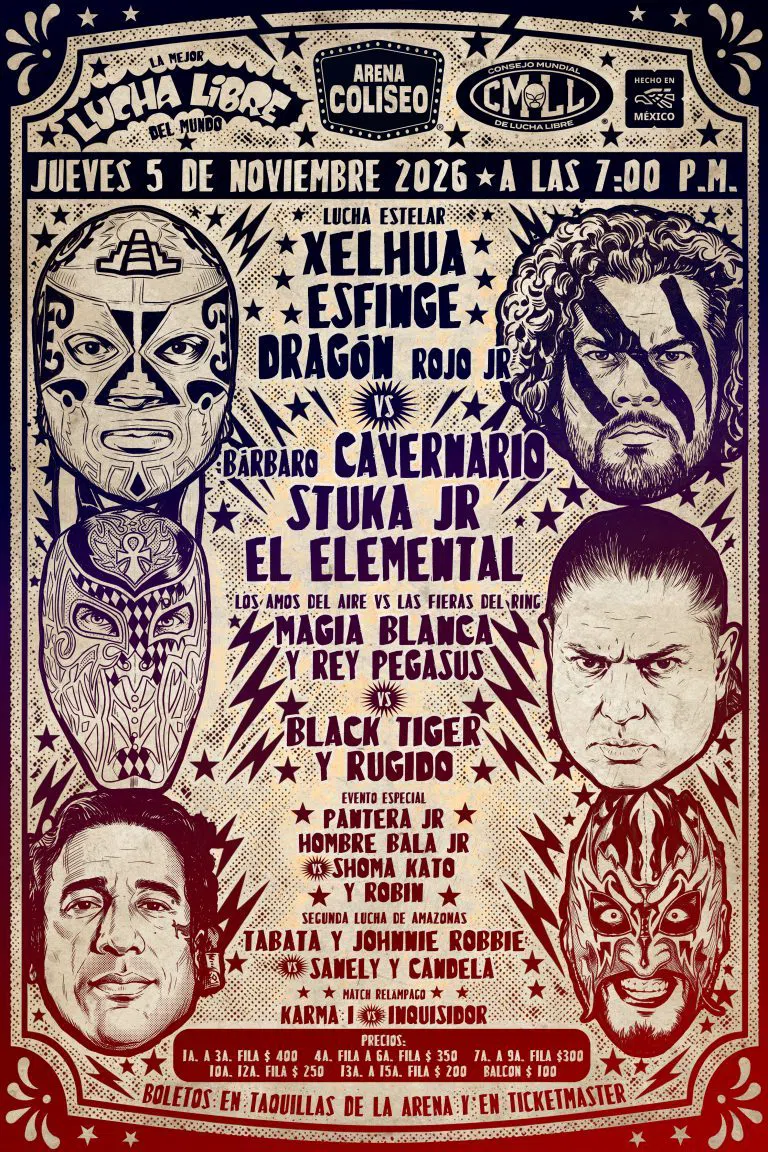
Arena México in Colonia Doctores runs its flagship CMLL card on Friday at 20:30 and keeps going straight through December. Luchadores in sequined masks and capes work a spotlit ring in drifting haze while 16,500 tiered seats eat peanuts and shout. Tickets are $100 to $800 MXN depending on ring proximity, through Ticketmaster or the box office, and mask stalls trade outside the doors. It is the city's best-value night out. Buy a few rows back; ringside heckling is relentless and aimed at outsiders.
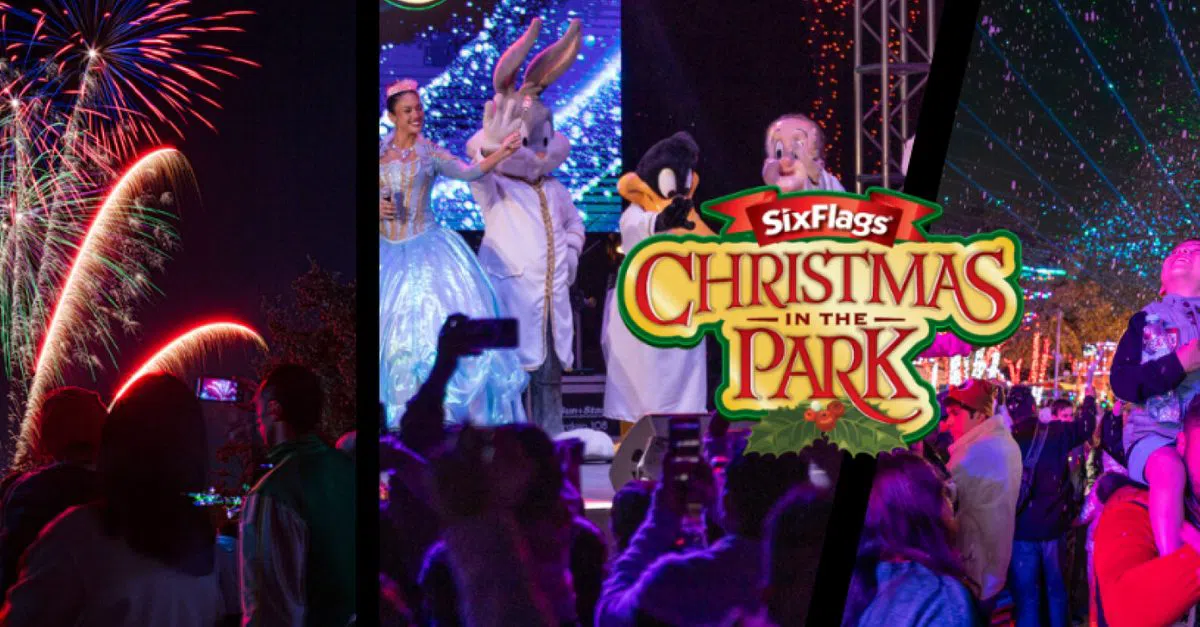
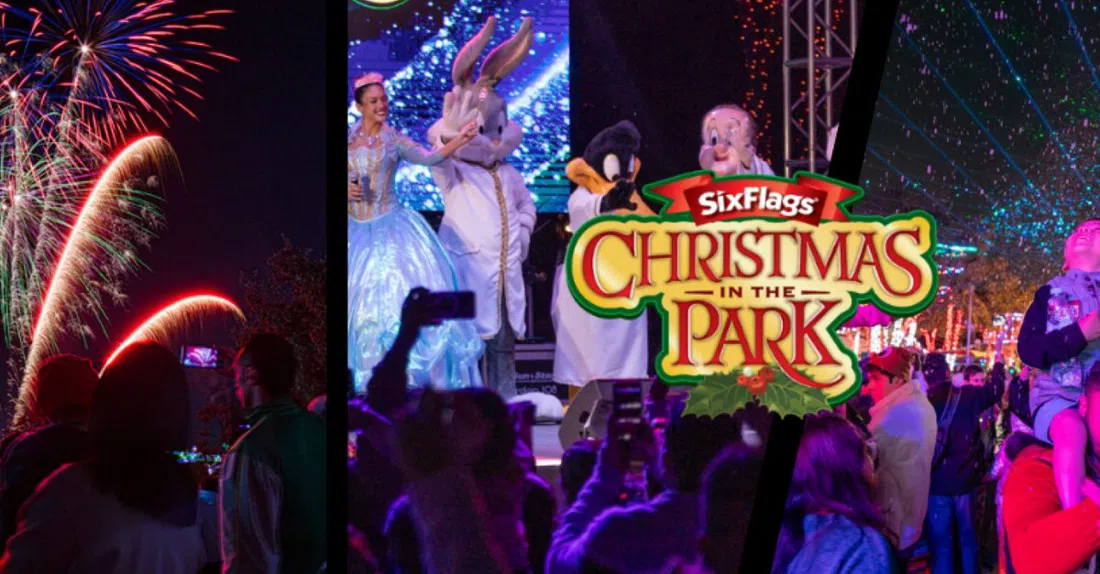
Six Flags México runs Christmas in the Park up in the high Ajusco forest at 2,600 m, with an illuminated night parade of floats carrying Looney Tunes characters in Santa hats, avenues of lit pines and roller-coaster track strung with lights. Of all the lights attractions in the city, this is the one whose schedule holds, and it runs into mid-January. General admission starts at $899 MXN and VIP at $2,800 MXN, with group and corporate rates available. Book a dated ticket and read the blackout calendar. The park closes on a handful of December dates, including the 24th.
Cold-night food and drink in the Centro
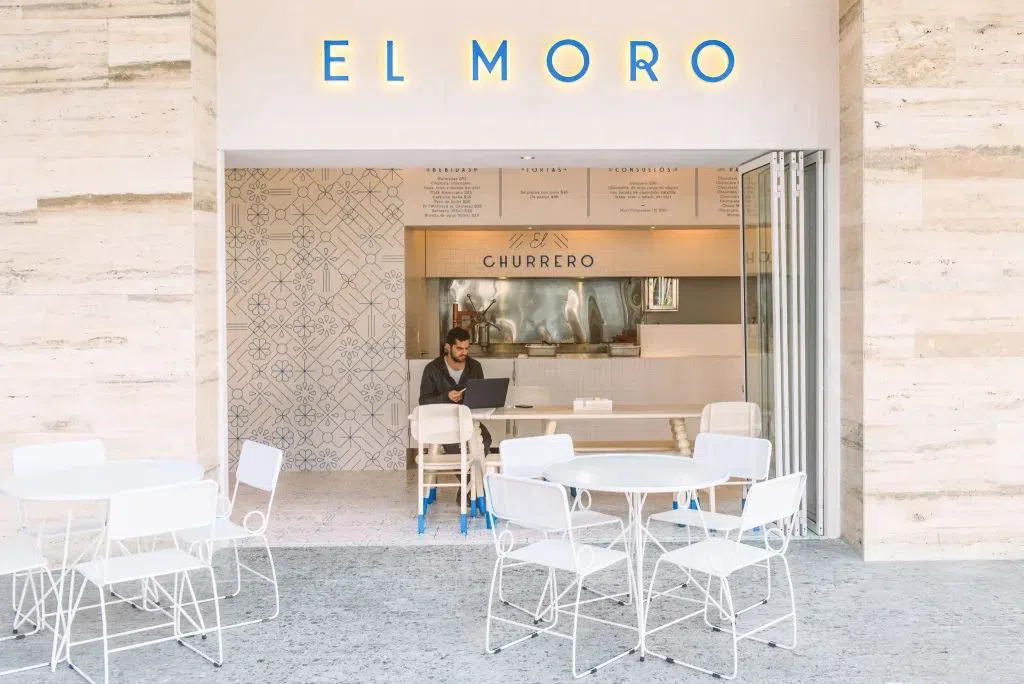
Churrería El Moro extrudes ribbons of dough from a brass machine into bubbling oil behind a white-and-blue tiled counter, and pours Spanish chocolate thick enough to stand a churro in. Churros plus chocolate is $60 to $120 MXN. Nights here drop to 6 to 8°C, and that cup is what people drink against it. Six branches trade across the city; the 1935 Eje Central original is open 24 hours, its neon sign burning over the street at 03:00, and it is the one with the history.
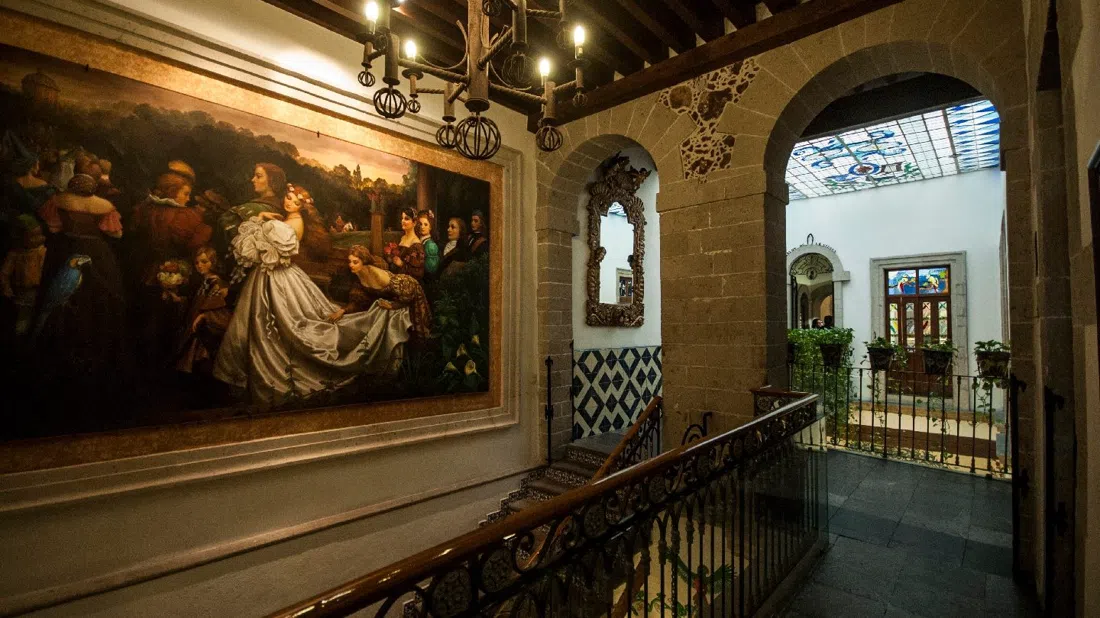
Café de Tacuba has been open since 1912 and was still trading in October 2026, in a 17th-century mansion dining room with blue-and-white Talavera tiled walls under a barrel-vaulted ceiling and dark oil paintings above the tables. An estudiantina in medieval capes and feathered caps serenades the room from Wednesday to Sunday afternoons. Mains run $180 to $350 MXN. Reviews rate the cooking unevenly. Come for the tamales, the mole poblano and the room. Upstairs private rooms take sizeable parties.
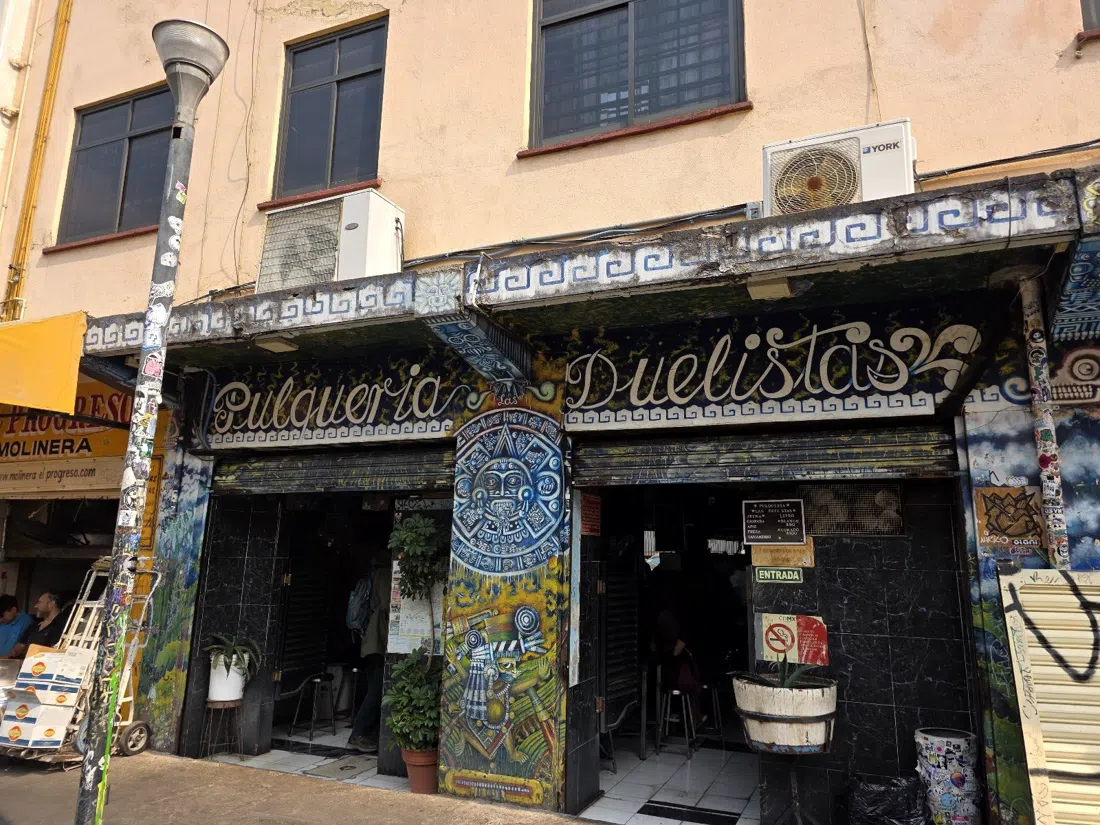
Pulquería Las Duelistas, rue Aranda, a été fondée en 1912 et ses murs, du sol au plafond, sont couverts de fresques lumineuses représentant des divinités préhispaniques, signées Guillermo Carreño. Plus de 45 parfums de curados changeants, venus de Tlaxcala, sont servis en pichets colorés, de $50 à $120 MXN, et se dégustent sur des tabourets dépareillés, sur un sol carrelé. Ouvert de 10:00 à 21:00 du lundi au samedi ; en pratique, le paiement se fait en espèces. La salle est minuscule et, le soir, on y reste debout, ce qui convient à quatre à six personnes. Elle se trouve à quelques pas des illuminations du Zócalo.
Conseils pratiques
Réservez vos places pour la pastorela et un billet daté pour Six Flags avant de partir, et décidez tôt si vous préférez la Basílica les 11 et 12 décembre ou un jour de semaine plus calme. Las Duelistas ferme le dimanche, et les dates 2026 de la Verbena ne seront connues que fin novembre.
Consultez le guide de Mexico et la recherche d'hôtels à Mexico.