Long Museum (West Bund)
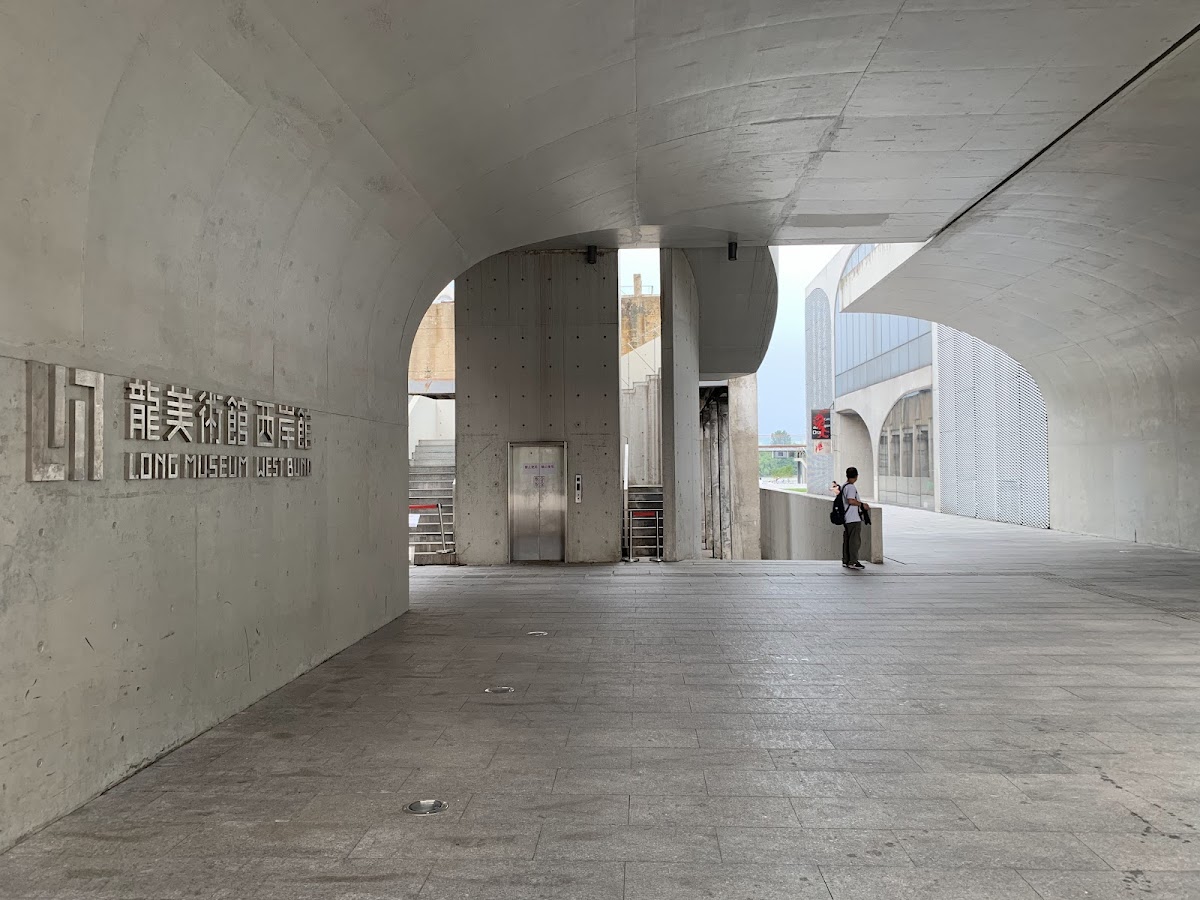
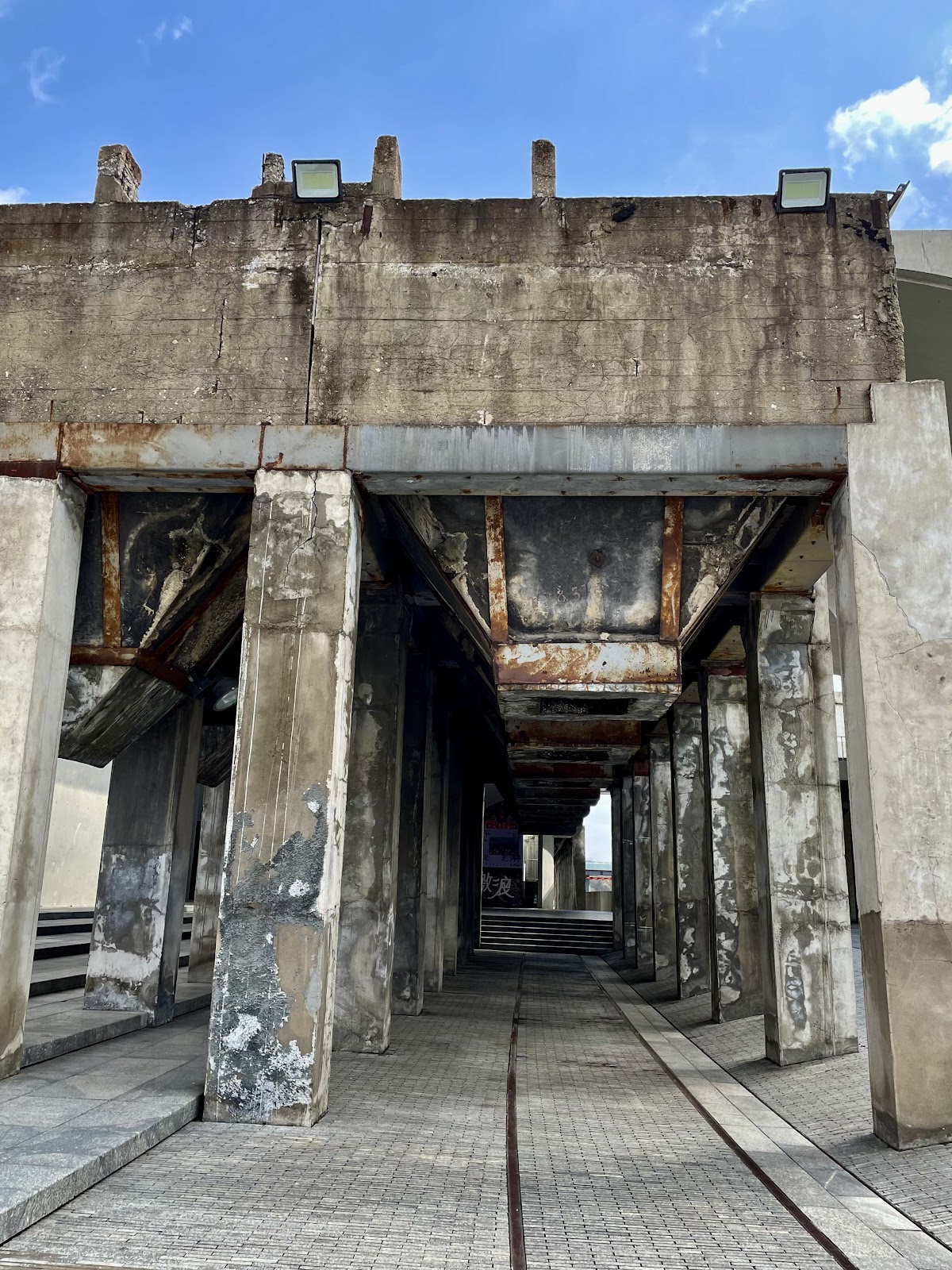
Un musée privé monumental construit autour d'un pont historique de déchargement de charbon, présentant de l'art ancien et contemporain.
Droit d'entrée moyen. L'architecture brutaliste vaut à elle seule le détour.
Plus à West Bund
West Bund Museum
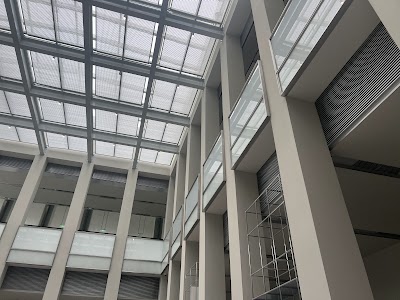
Un musée moderne frappant conçu par David Chipperfield, en collaboration culturelle à long terme avec le Centre Pompidou.
Conseil: Droit d'entrée modique. Situé sur un tronçon pittoresque des quais du West Bund.
Yuz Museum
Un vaste espace d'art contemporain fondé par le collectionneur Budi Tek, installé dans un ancien hangar d'aéroport.
Conseil: Droit d'entrée modique. Connu pour ses installations à grande échelle et ses expositions internationales.
Où c’est
Avis
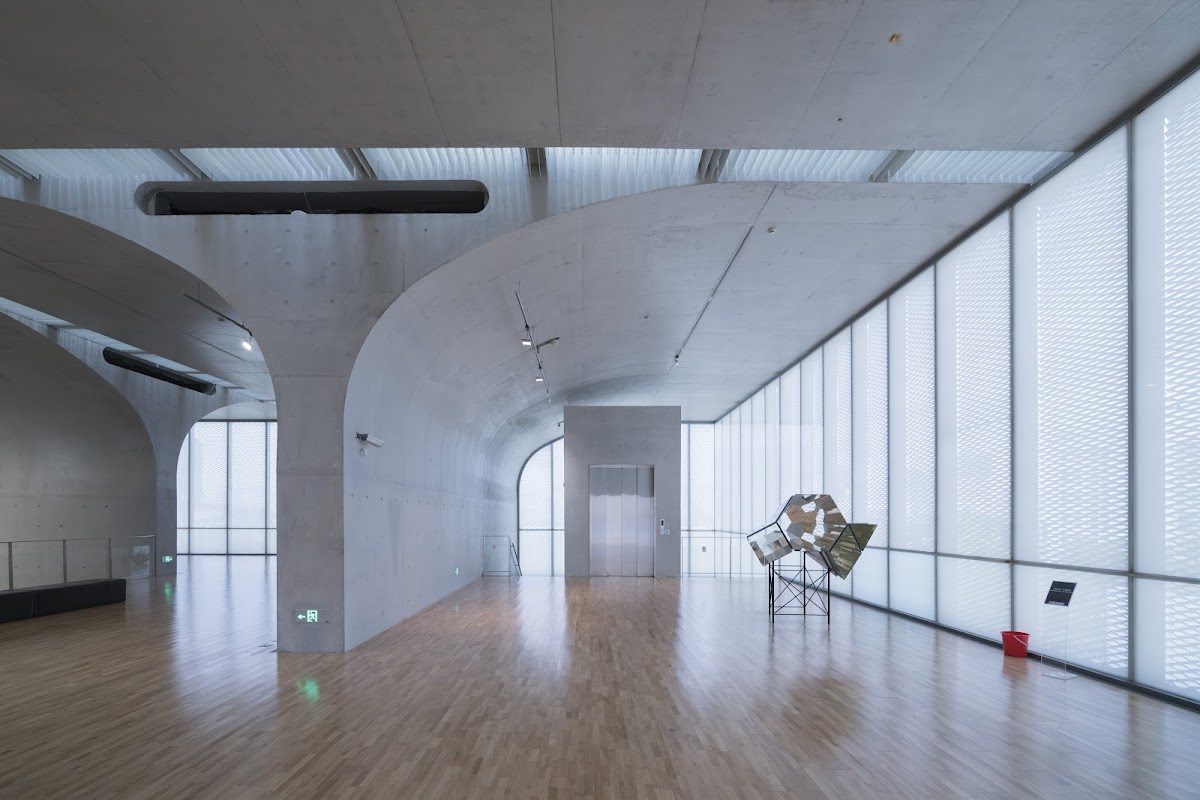
The Long Museum delivers a quietly overwhelming experience—one that lingers well after you’ve left the galleries. The exhibitions by Yang Bodu, Chen Yujun, and Wang Wei showcase an extraordinary depth of contemporary Chinese artistic expression, each distinct yet resonant with one another. What stood out immediately was the confidence of the works: technically assured, conceptually grounded, and unafraid of stillness or intensity. As a viewer, you’re not rushed or spoon-fed meaning; instead, you’re trusted to engage, reflect, and sit with the work. What makes the impression so strong is how naturally these exhibitions sit within the Long Museum’s monumental yet restrained architecture. The scale of the space gives the artworks room to breathe, amplifying their emotional and intellectual weight rather than competing with them. Together, Yang Bodu’s sensitivity, Chen Yujun’s compositional rigor, and Wang Wei’s depth create a sequence that feels curated with real intent. It’s the kind of museum visit that recalibrates your expectations—not just of Chinese contemporary art, but of how powerfully it can be presented when space, curation, and artists are in genuine dialogue. (also found a stray Yayoi Kusama)
The Long Museum (West Bund) possesses a distinctive architecture that reflects Shanghai's industrial history. The building is an artistic statement, repurposed from a historical former coal wharf structure. The structure preserves its massive and raw aesthetic, featuring the iconic curved, exposed columns and T-shaped vaults. This monumental scale is carried through the ground floor, which forms an atmospheric vaulted space beneath the main galleries. Its design preserves a massive and raw aesthetic, with its iconic curved, exposed columns and T-shaped vaults. This monumental scale is carried through the ground floor, which forms an atmospheric vaulted space beneath the main galleries. The featured exhibition during my visit, William Monk's Psychopomp (引灵人), provided a striking contrast to the museum’s Brutalist halls. The vast scale of Monk's abstract paintings and installations interacted very well with the structures. The towering height of the vaults amplified the artwork's textures and colours, making the entire exhibition feel deeply immersive and site-specific within the concrete volumes. I thoroughly enjoyed the museum's blend of industrial heritage, powerful architecture, and the displayed artworks. It's an unmissable cultural destination.
Not crowded. For those who likes abstract artwork. Next to the harbour where lots of families hangout. There's a mini dog park.
Large museum with interesting architecture. There are many beautiful exhibitions The only point of improvement for me would be the museum shop, there are not that many interesting things to buy in my opinion.
Les avis viennent de Google. Voir la fiche sur Google Maps.