Shanghai Jewish Refugees Museum
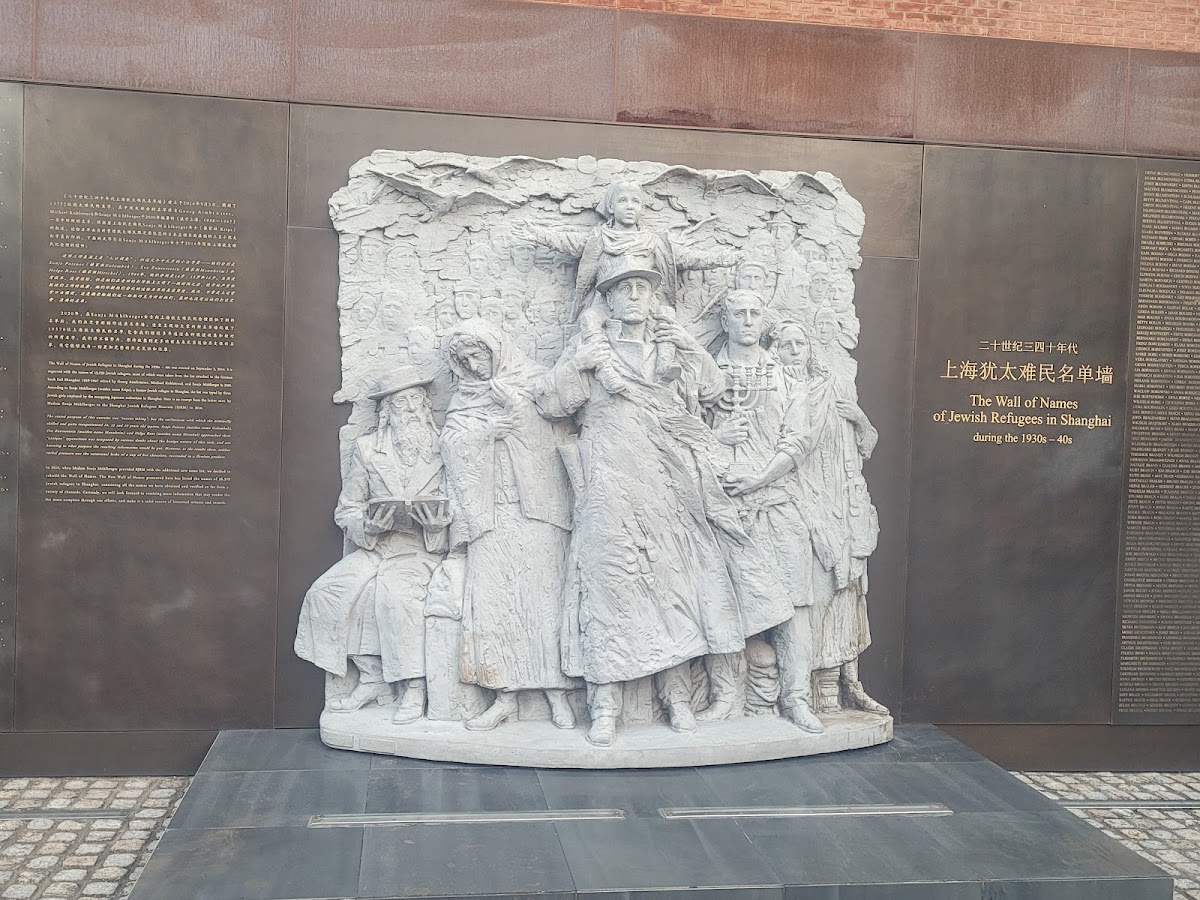
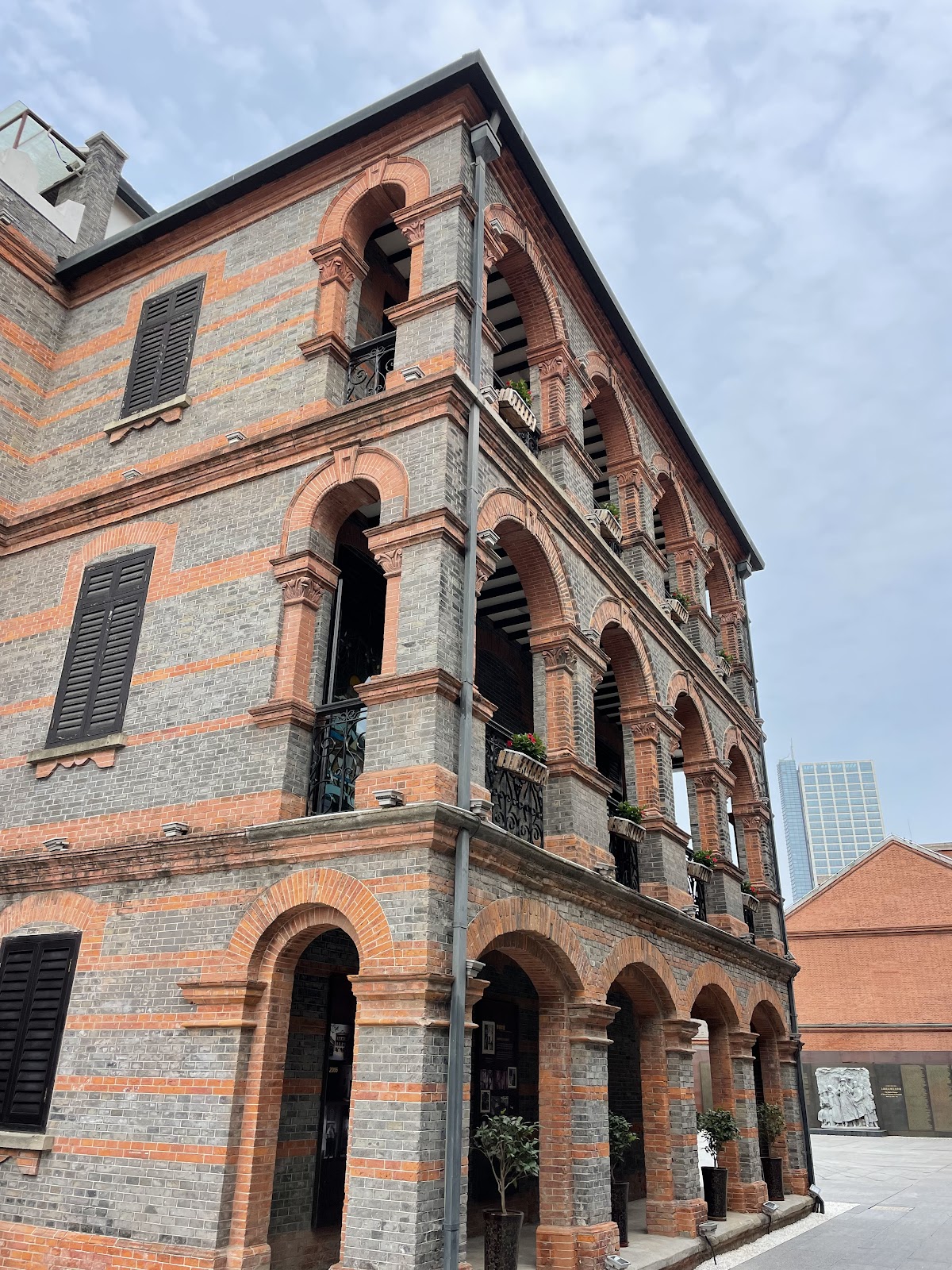
Préserve l'histoire de la synagogue Ohel Moshe et des 20 000 réfugiés juifs qui ont fui l'Europe nazie pour vivre dans le ghetto de Hongkou.
Droit d'entrée modique. Très émouvant et instructif ; prévoyez deux heures.
Plus de museums à Shanghai
Shanghai Museum
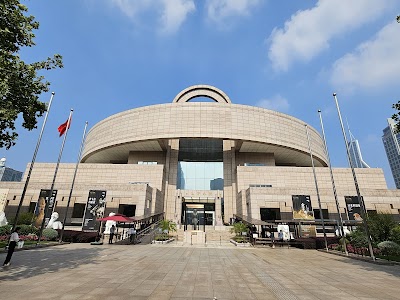
Abrite l'une des plus belles collections au monde de bronzes anciens chinois, de céramiques, de calligraphies et de jades.
Conseil: Entrée gratuite mais réservation en ligne obligatoire. Prévoyez au moins trois heures.
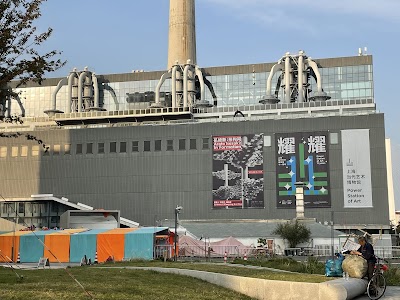
Power Station of Art
Installé dans une immense ancienne centrale électrique convertie, c'est le premier musée d'art contemporain géré par l'État en Chine.
Conseil: Hôte de la Biennale de Shanghai. Les prix des billets varient selon l'exposition ; fermé le lundi.
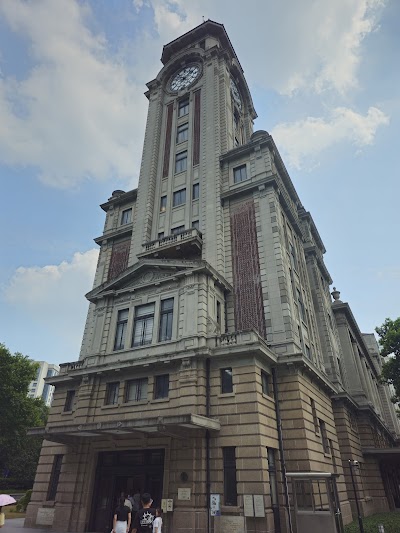
Shanghai History Museum
Situé dans le bâtiment historique de l'ancien Club de course de Shanghai, il retrace l'évolution de la ville d'un village de pêcheurs à une métropole moderne.
Conseil: Entrée gratuite. Excellente signalisation en anglais et présentations interactives.
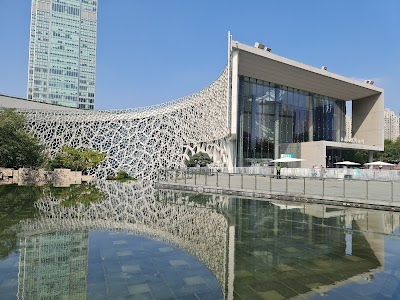
Shanghai Natural History Museum
Logé dans un superbe bâtiment bioclimatique conçu par Perkins+Will, avec une vaste collection de spécimens.
Conseil: Droit d'entrée modique. Extrêmement populaire auprès des familles ; visitez-le en matinée en semaine pour éviter la foule.
Où c’est
Avis
An interesting and enlightening exhibition that tells the little-known story of the tens of thousands of Jewish refugees who fled Germany and Austria on the eve of World War II and found refuge in Shanghai. The wide exhibition describes, through many photos and authentic items, the background to this event and especially the life of the refugee community in terms of physical survival, daily life, cultural life, and more. The renovated museum holds a much larger and more interesting exhibition than the older museum held, so even if you visited the place in the past, there's much more to see now. Highly recommended!
Great museum representing the Jews who took refuge in Shanghai. Shows the level of respect and love the Chinese people have for the Jewish people. The synagogue is currently closed for renovation, but you can walk around the neighborhood and get a feel of the history. Make sure to visit the park across the street!
Last day in Shanghai and decided to pay a visit to the museum since is 5 mins walking distance from my hotel. Was early as they opened at 9am. You can buy your tickets via wechat or alipay but because I'm a foreigner without local number, just go to the counter to buy the tickets with your passport. Walked up the stairs to the history of why and how Jewish flee to Shanghai and also some other countries to seek refugee. Their sufferings were unimaginable but the Chinese gave them the warmth and shelter greatly needed during these trying times. Worth a short visit. Took me about 30-45 mins to finish the exhibition.
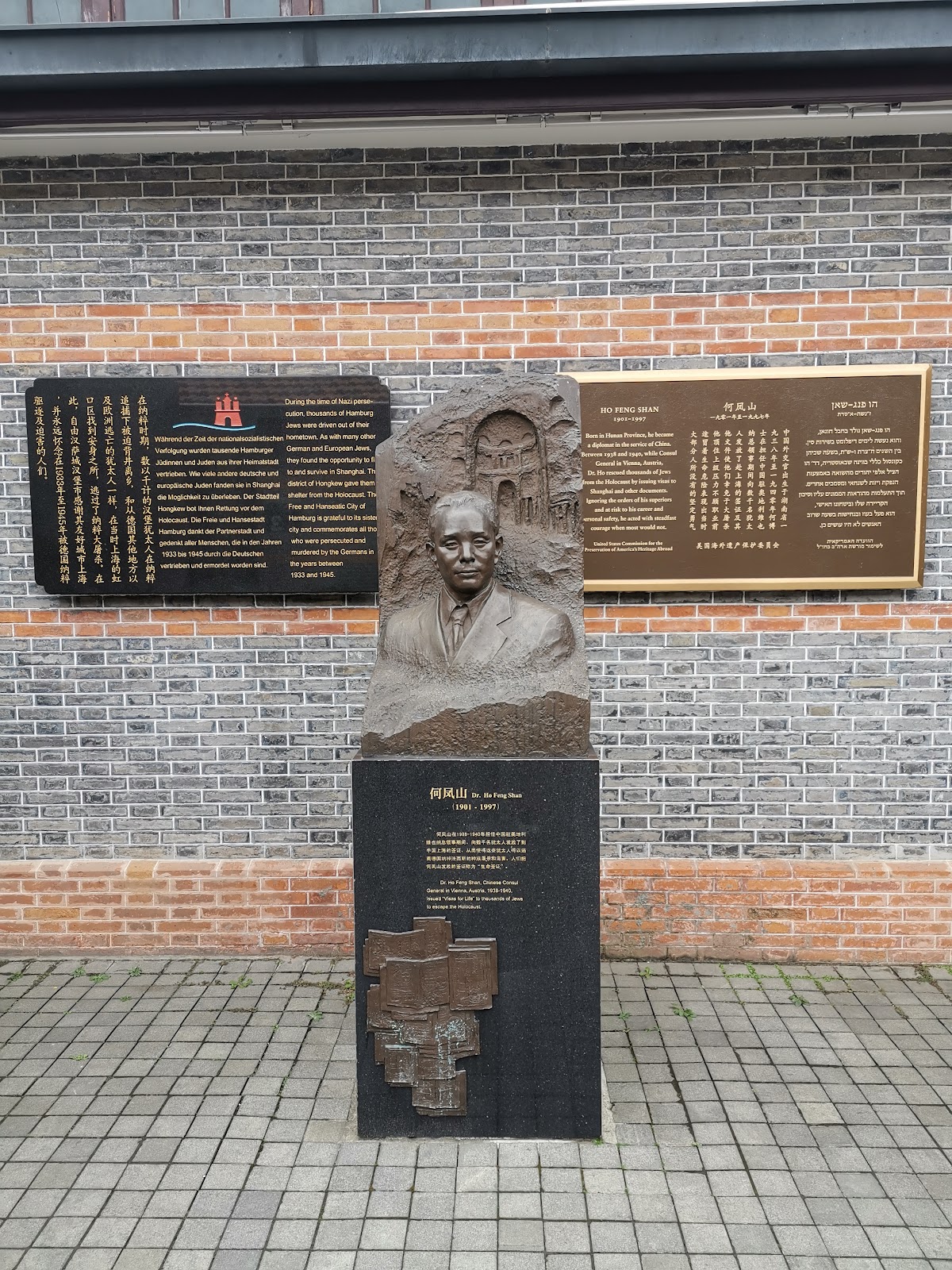
I had the pleasure of visiting the museum in October 2005. There is such a rich history of the relationship between the Chinese people and the Jewish people. The docent kindly took my friend and me up to the caretaker's room where there was a Chanukah menorah on a table. I told him how I would sing a Hebrew prayer when lighting the candles. He asked me if I would sing it for him, and I gladly did so to his delight. After we left the museum, we walked around the neighborhood which still looked similar to when the Jewish refugees lived there. At the end of the street was a park called Peace Park and there was a bronze plaque in Chinese, English, and Hebrew dedicated to the Jewish refugees. Here I am in front of the museum, the neighborhood, and the plaque at Peace Park.
Les avis viennent de Google. Voir la fiche sur Google Maps.