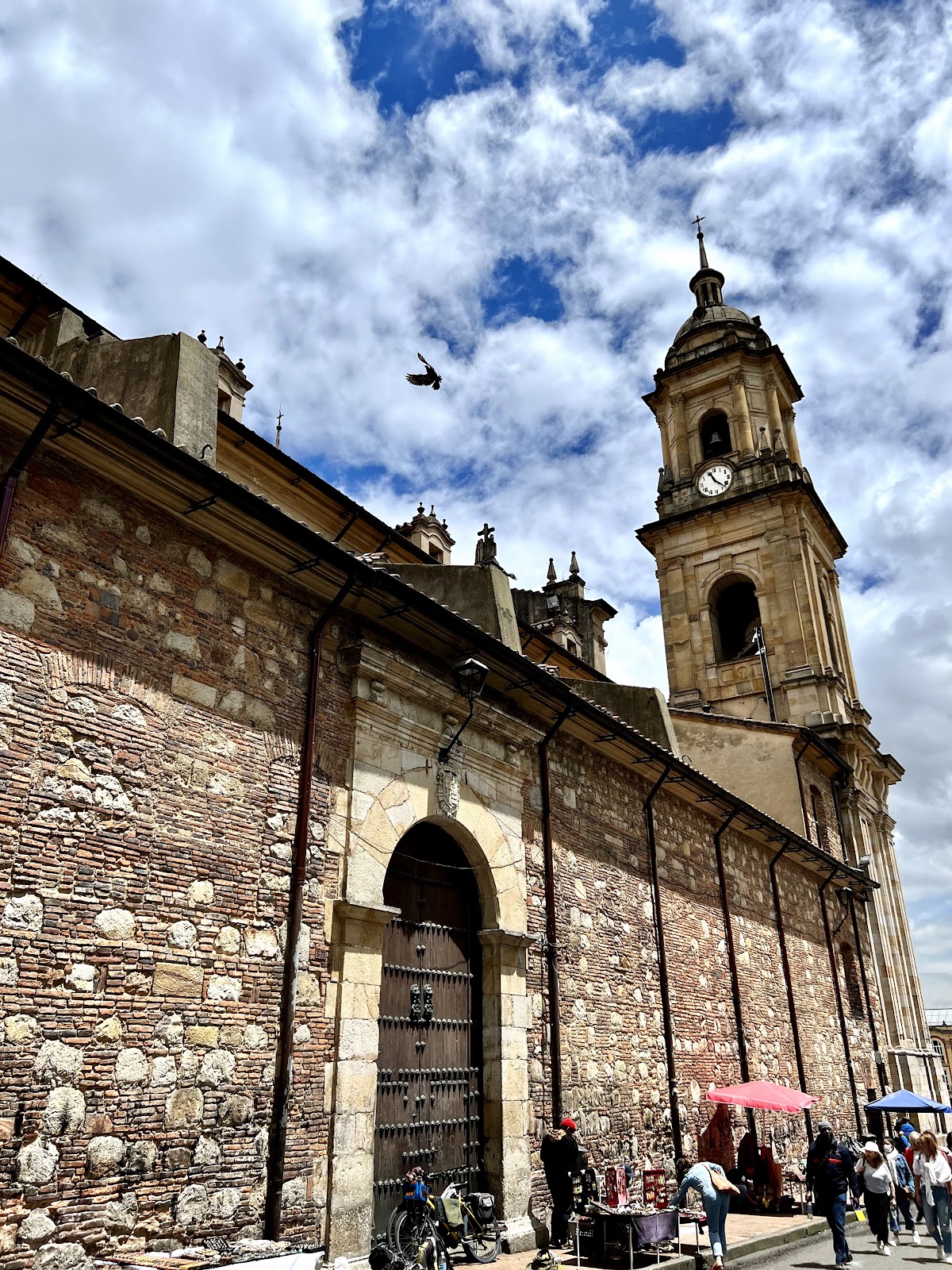
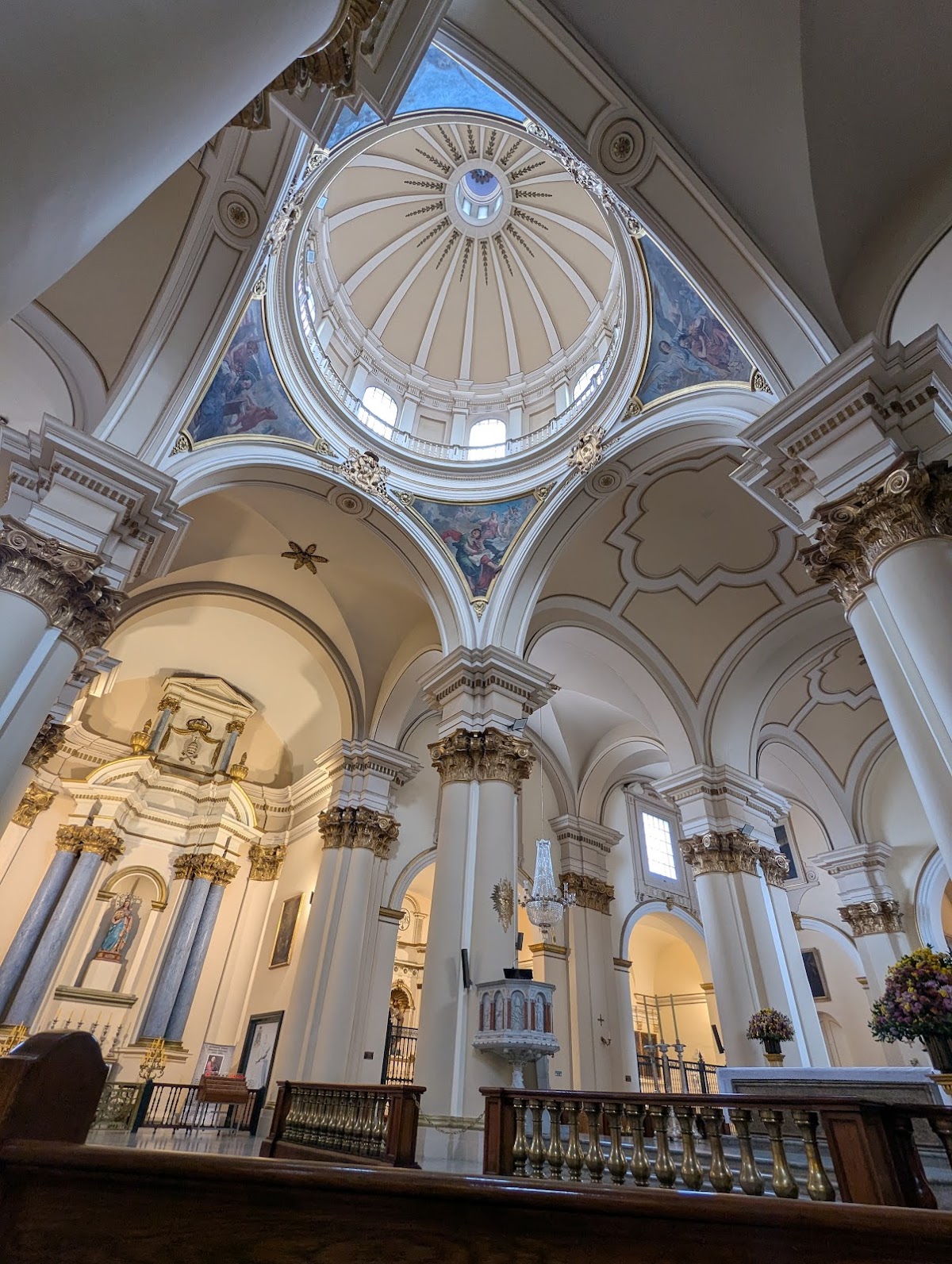
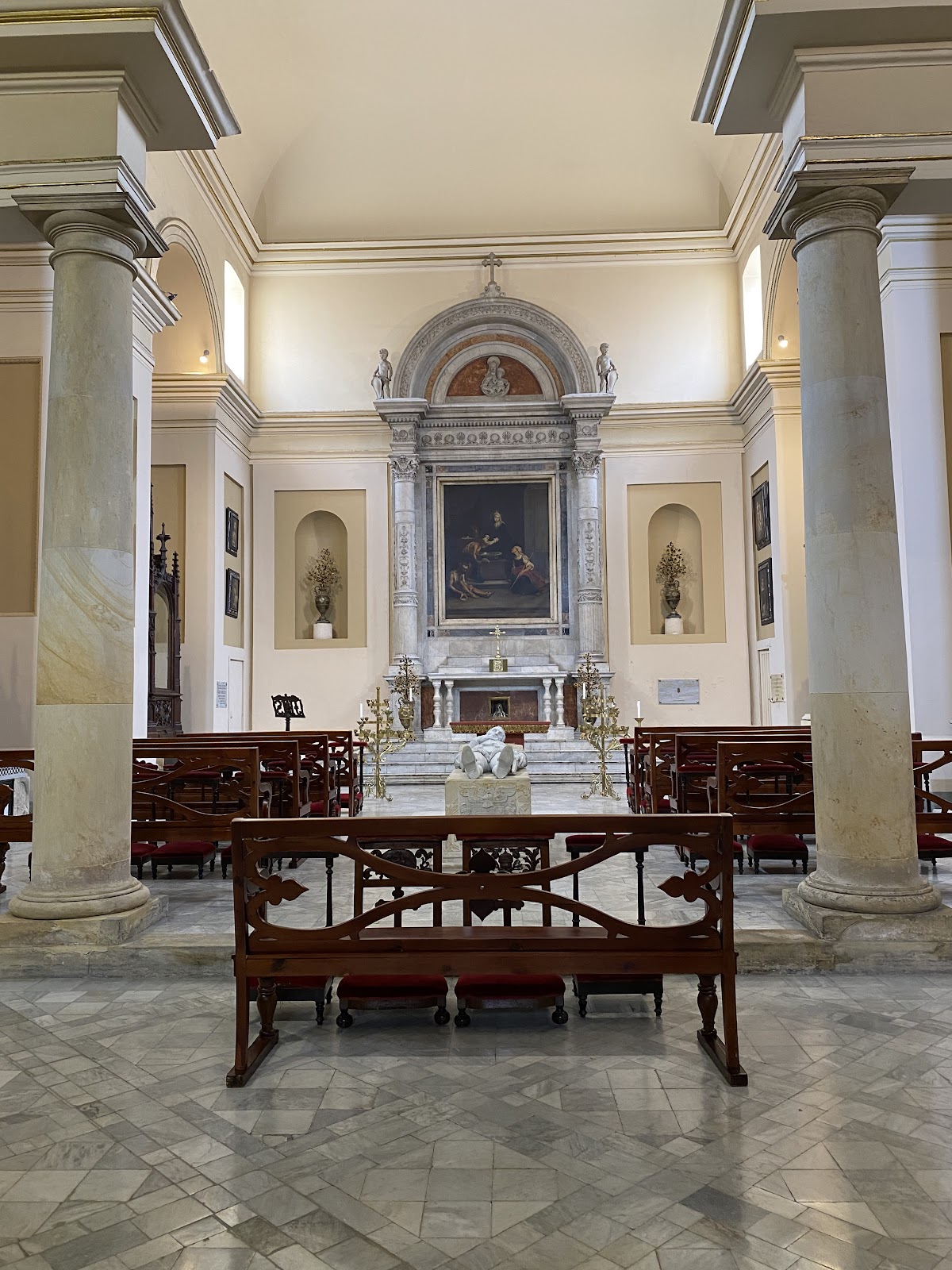
Catedral Primada de Colombia
La cattedrale neoclassica che domina il lato orientale di Plaza de Bolívar, situata nel punto in cui fu celebrata la prima messa della città.
Ingresso libero; vestirsi in modo rispettoso.
Altro a La Candelaria
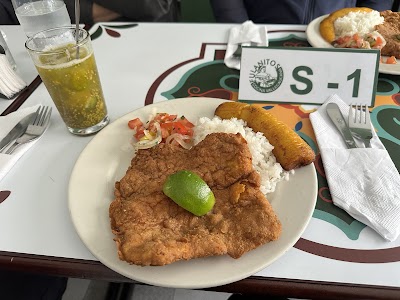
Fulanitos
Un locale tradizionale specializzato nella cucina sostanziosa e carnivora della regione di Valle del Cauca.
Cosa ordinare: Lulada drink abbinato a Chuleta Valluna (cotoletta di maiale impanata).
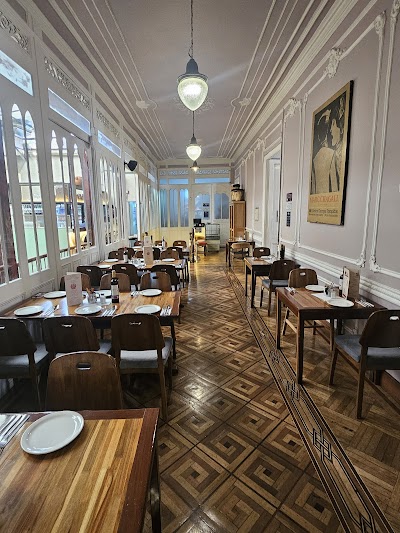
La Puerta de la Catedral
Situato a pochi passi dalla piazza principale, questo storico ristorante serve le zuppe locali più autentiche in un ambiente coloniale.
Cosa ordinare: Ajiaco Santafereño (spessa zuppa di patate con pollo, mais, capperi e panna).
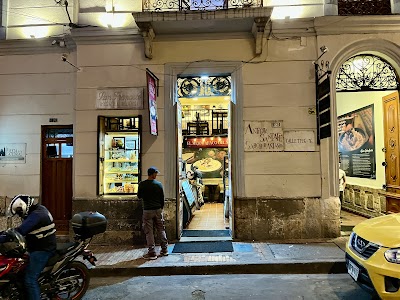
Antigua Santa Fe
Una storica trattoria senza fronzoli, famosa per servire spuntini tradizionali del pomeriggio a generazioni di abitanti locali.
Cosa ordinare: Chocolate Completo (cioccolata calda servita con formaggio, pane e un biscotto imburrato).
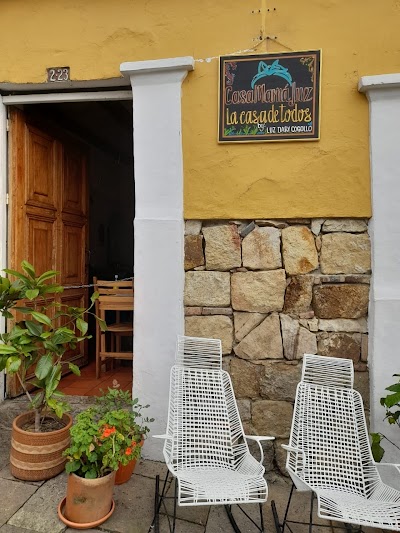
Casa Mamá Luz
Una cucina tradizionale pluripremiata guidata da uno chef dedicato alla preservazione delle ricette regionali colombiane.
Cosa ordinare: Posta Negra Cartagenera (manzo cotto lentamente in una salsa scura, dolce e speziata).
Dove si trova
Recensioni
Catedral Primada de Colombia is one of the most visited Cathedral in Colombia! Built in 1500 AD, this Cathedral is located at Bolivar Square, in the historic center of La Candelaria in Bogotá. It’s a neoclassical tattle building with ancient architecture. A must visit spot in Bogota!
The Catedral Primada in Bogotá stands as one of the city’s most beautiful and meaningful spiritual landmarks. The moment you step inside, the calm atmosphere, soft lighting, and graceful architecture create a sense of peace. The high ceilings, elegant arches, and quiet chapels invite slow reflection. It’s a place where history and faith blend naturally, making it a wonderful spot to pause, pray, or simply appreciate its timeless beauty.
Bogotá Cathedral—unlike many churches in Latin America—is not a colonial building, as the current church dates back to the 19th century. Designed in the Neoclassical style by Friar Domingo de Petrés, it features clean lines, balanced proportions, and a sense of grandeur that reflects the architectural trends of its time. As such, it boasts beautiful architecture and remarkable artwork, but in a distinct style compared to older churches in the region. Walking through it, you'll encounter intriguing pieces in the side chapels, each telling a different story. Pay special attention to the chapel behind the main altar, which houses a choir for the canonicos, adding to its ecclesiastical grandeur. This cathedral is not only the largest in Colombia but also the Primate Cathedral, a title granted by Pope Leo XIII in 1902. Originally, it stood as a humble mud-and-straw chapel, where Bogotá’s first Holy Mass was celebrated on August 6, 1538. Over the centuries, it evolved into its current form, shaped by Friar Domingo de Petrés between 1807 and 1823. While it doesn't share the same colonial aesthetics as churches like San Francisco, its historical importance, intricate chapels, and artistic treasures make it well worth a visit. Just remember, this is not a typical Latin American colonial church, but rather an architectural gem of its own era.
One thing about Colombia, beautiful cathedrals like this one do not have an entrance fee. One thing I enjoy about visiting Bogota Colombia as well as other churches and cathedrals is the beauty about them. If you are blessed to visit Bogota Colombia and you want to see cathedrals a Must is the Zipaquira Salt Cathedral. It's a cathedral carved into a mountain which is mostly Salt; yes Salt. It's out of this world a Must See!!!
Le recensioni sono di Google. Vedi la scheda su Google Maps.