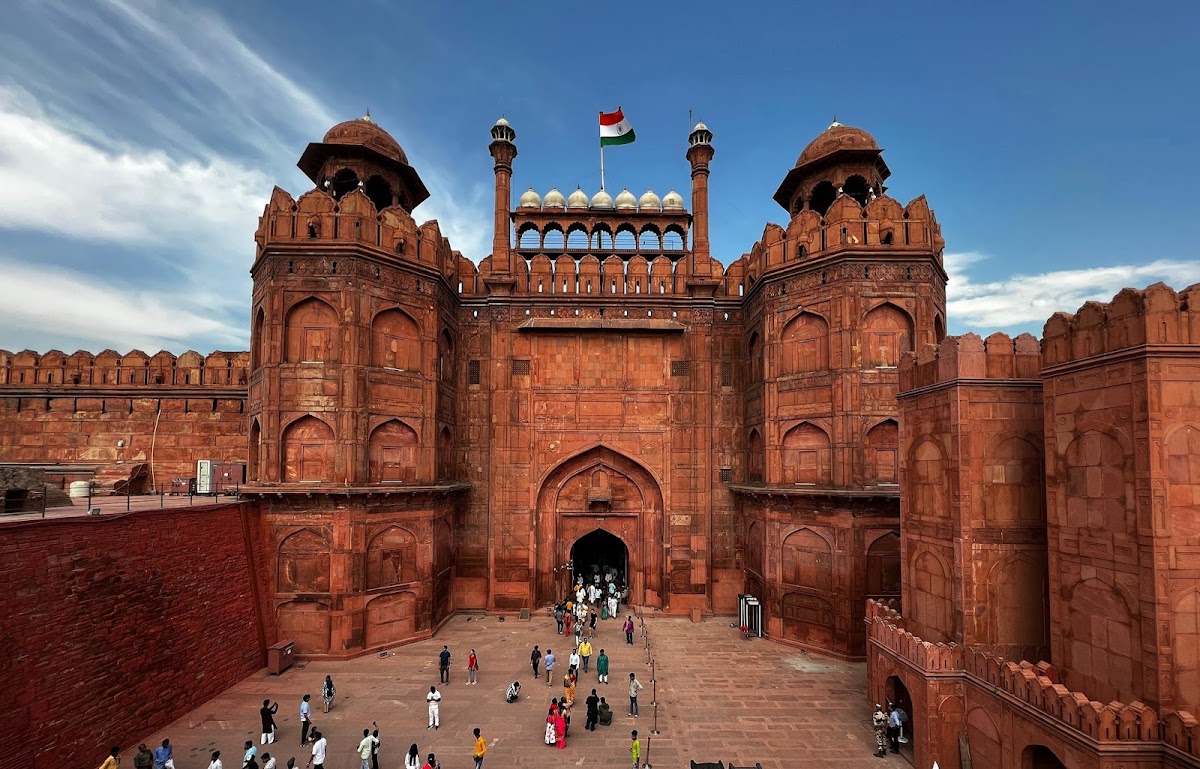
Red Fort (Lal Qila)
L'imponente fortezza in arenaria rossa che fu sede dell'Impero Moghul per quasi 200 anni.
Preparati a lunghe code ai controlli di sicurezza; prenota i biglietti online in anticipo per saltare la fila. Fascia di prezzo media.
Altri landmarks & architecture a Delhi
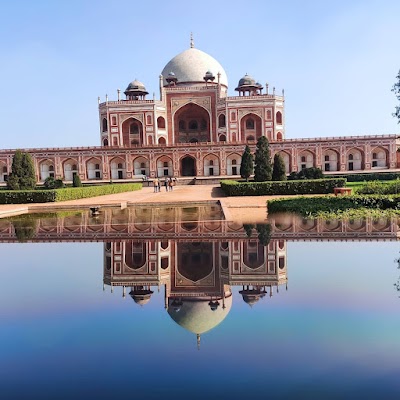
Humayun's Tomb
Una magnifica tomba-giardino del XVI secolo che ha ispirato l'architettura del Taj Mahal.
Consiglio: Il momento migliore per la visita è il tardo pomeriggio, per fotografare con la luce dorata. Fascia di prezzo media.
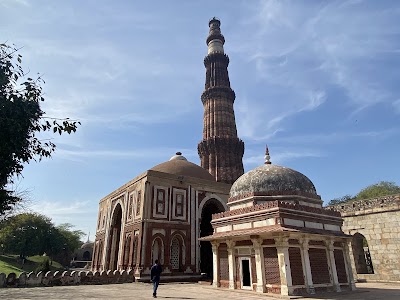
Qutub Minar
Un possente minareto di mattoni alto 73 metri, costruito nel 1193, circondato da antiche rovine e da una colonna di ferro del IV secolo che non arrugginisce.
Consiglio: Di notte è illuminato in modo spettacolare. Fascia di prezzo media.
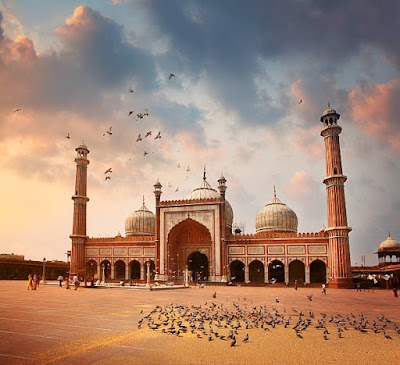
Jama Masjid
Una delle moschee più grandi dell'India, costruita da Shah Jahan, con una vista panoramica su Old Delhi dal minareto meridionale.
Consiglio: Vestiti in modo sobrio; le tuniche sono fornite all'ingresso. Ingresso gratuito, ma è previsto un costo per la fotocamera.
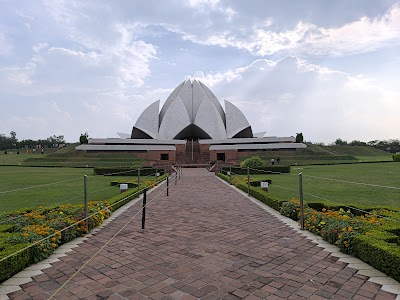
Lotus Temple
Uno straordinario luogo di culto Bahá'í a forma di fiore di loto in boccio, aperto a persone di ogni fede per la meditazione silenziosa.
Consiglio: Estremamente affollato nei fine settimana; mantieni il silenzio assoluto all'interno. Ingresso gratuito.
Dove si trova
Recensioni
Visiting the Red Fort was an amazing experience. The massive red sandstone walls, beautiful Mughal architecture, and rich history make it one of the most iconic places in India. Walking through the fort feels like traveling back in time to the Mughal era. The atmosphere is grand and peaceful, especially during sunset when the fort looks even more beautiful. A must-visit place in Delhi for anyone who loves history, culture, and photography. Truly one of the proud symbols of India. 🇮🇳✨
Red Fort (Lal Qila) is one of the most magnificent historical landmarks I have ever visited. From the moment I approached its massive red sandstone walls, I felt a deep sense of history and pride. The fort beautifully reflects the architectural brilliance of the Mughal era and stands as a symbol of India’s rich cultural heritage. Walking through the grand Lahore Gate and exploring the interior complex was an unforgettable experience. The intricate designs, marble structures, and spacious courtyards show the incredible craftsmanship of the time. Places like the Diwan-i-Aam and Diwan-i-Khas give visitors a glimpse into how Mughal emperors once held royal meetings and ceremonies. What impressed me most was how well the site preserves the story of India’s past. Informational displays and guided tours help visitors understand the significance of the fort, especially its role in important moments such as India’s Independence celebrations. Standing inside the fort where the Prime Minister addresses the nation every Independence Day made the visit even more meaningful. The atmosphere inside Lal Qila is vibrant and welcoming. There are small museums, gardens, and cultural exhibits that make the visit both educational and enjoyable. The surroundings are lively with visitors from around the world who come to admire this architectural masterpiece. Overall, Lal Qila is a must-visit destination for anyone interested in history, architecture, or Indian culture. Its beauty, historical importance, and grand design make it a truly unforgettable place. I highly recommend visiting this iconic monument when traveling to Delhi.
The Red Fort is an impressive historical monument with stunning architecture and a commanding presence that reflects its rich history. Even from the outside, the massive red sandstone walls make for some fantastic photos and are well worth seeing. Unfortunately, my experience was dampened by the ticket office, which was extremely crowded and chaotic on a Sunday afternoon. The lines were confusing, there were too many people. After waiting for a while, I decided to give up on entering and simply walked around the exterior of the fort instead, taking pictures and admiring the magnificent structure from outside.