Articoli su Fuerteventura
10 articoli da canaryguides.com, i più recenti per primi.

Riding the volcano tracks behind the Corralejo dunes
A buggy or quad tour out of Corralejo does not drive where you would expect, and the dunes themselves cost nothing to walk. The north has one beach calm enough to swim in.
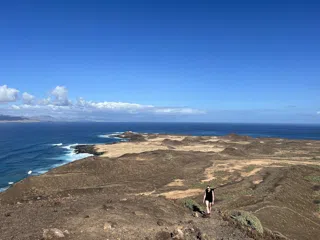
Lobos Island lunch cruises from Corralejo, Fuerteventura
A day on Lobos runs in one of two four-hour slots, 200 people to a slot, and you need the free permit whatever boat you take out of Corralejo.
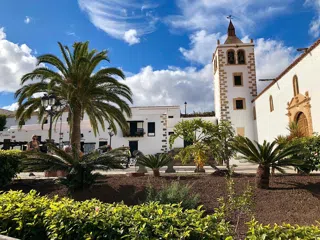
Betancuria, Fuerteventura: The Ravine Village That Was Once an Island Capital
Fuerteventura's first capital hides in a volcanic ravine in the island's dead centre — one historic street, a roofless convent, goat stew at lunchtime, and total silence after dark.
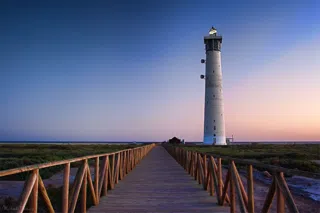
Morro Jable and Jandía: Fuerteventura's Southern Tail, Street by Street
A fishing village that only got its road in 1970, now sharing three kilometres of sand with the island's second-biggest resort strip — and still keeping its siesta hours.
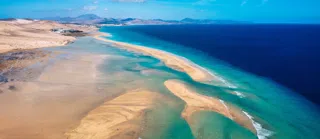
Costa Calma, Fuerteventura: The Quiet Beach Resort With a World Championship Next Door
Two kilometres of shallow, Blue Flag-standard sand on one side of the Jandía neck and Sotavento's championship wind nine kilometres south — a slow family resort with a fast edge.
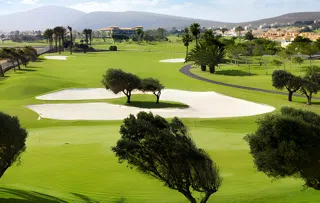
Caleta de Fuste, Fuerteventura: The Resort the Reef Built
A shallow lagoon, two 18-hole courses and a pub strip with the football on — an honest walk through Fuerteventura's most frictionless family base.
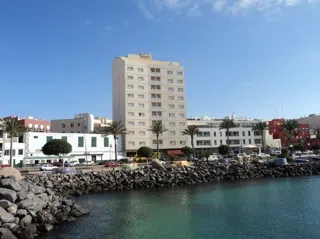
Puerto del Rosario: Inside Fuerteventura's Working Capital
The island's only real town — a port, a parliament, a fish market and more than 100 public artworks — and why it rewards the travellers who stop instead of driving past.
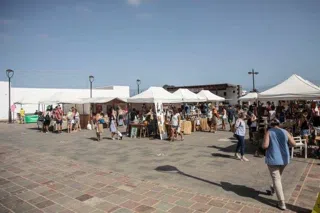
Lajares, Fuerteventura: The Surf Village That Refuses to Pick a Coast
Inland between Corralejo and El Cotillo, Lajares trades beachfront for volcanic-stone lanes, a Saturday craft market and a surf crowd that never left.
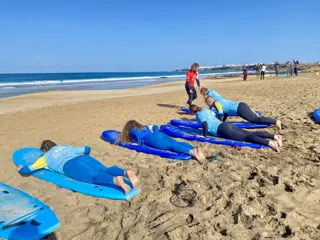
El Cotillo, Fuerteventura: The Fishing Village That Never Became a Resort
On Fuerteventura's north-west corner, El Cotillo still lands its own fish, fills its lagoons twice a day and treats sunset as the main event — a neighbourhood guide to its harbour tables, surf breaks and the tower on the headland.
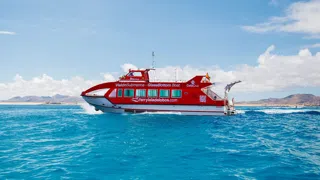
Sand in Your Coffee: A Long Weekend in Corralejo, Fuerteventura
A former fishing port on Fuerteventura's northern tip where ten kilometres of dunes meet a harbour that still lands fish — and the trade winds set the daily agenda.