Chicago stories
45 stories from chicagocitybreak.com, newest first.
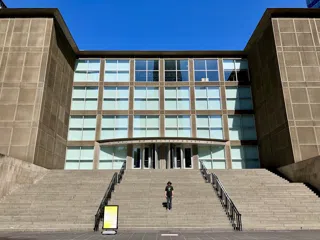
Chicago Museum Shows This Winter: Rashid Johnson at the MCA and New Art Institute Openings
Rashid Johnson's retrospective is the big Chicago show this winter, and it runs long. Plenty more is on around it, some of it coming down in early January and some of it free.
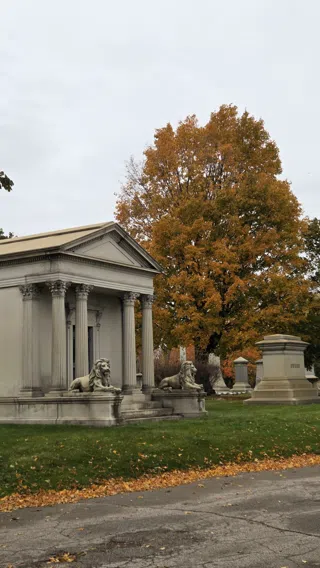
Walking Ravenswood, Chicago's brewery and maker district
Malt Row's taprooms, an 1883 timber church, a restored prairie and the one hotel bed anywhere nearby, plus the hours and booking rules that set the order you walk them in.
Walking Pullman, the company town on Chicago's South Side
Two big restorations run through 2026, and this is what stays open in Pullman: the clock tower, Hotel Florence and the smokehouses.
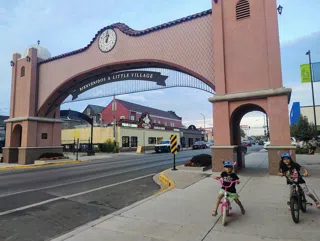
What to see, eat and book in Little Village, Chicago
Where to start on Chicago's 26th Street, what to eat along it, and which doors will be locked when you get there.

Chicago Christkindlmarket 2026: 30th Anniversary Dates, Hours, Three Markets
Daley Plaza's market reaches its 30th season, two sister markets run alongside it, and indoor halls, craft fairs and German beer rooms fill the same six weeks.

Lincoln Square, Chicago's German quarter on foot
A slab of the Berlin Wall, Louis Sullivan's last commission and a rooftop sausage grill are all within a few blocks of one car-free plaza on Chicago's North Side.
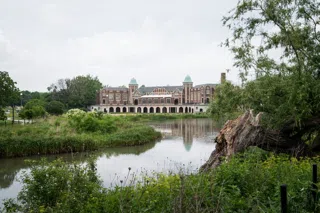
Humboldt Park in Chicago from the swan boats to Paseo Boricua
A 197-acre park with pedal swans, two steel flags 59 feet high, and the only museum in the United States devoted year-round to Puerto Rican art: you can walk the lot in a day.
Chicago's Northalsted from the Legacy Walk to last call
Half a day walking up Halsted, from the rainbow pylons to the lakefront harbour, then a long night of show tunes, line-dance lessons and bars that hold a 4 a.m. licence.
Walking Andersonville, Chicago's Swedish Clark Street
Swedish breakfasts, a 1934 tavern, 350 acres of cemetery and 30 plays in 60 minutes, in the order you would walk them up Clark Street.
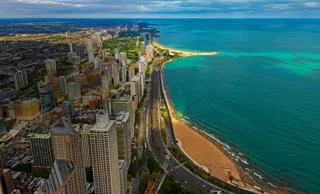
Walking Chicago's Magnificent Mile from river to the Drake
The stretch from the river bridge to the Drake, taken in order: a 1,000ft deck, a wall of stones from everywhere, deep dish, and the two museums a block off the avenue.
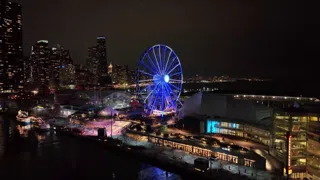
Chicago's Streeterville from the Water Tower to Navy Pier
The walk from the 1869 Water Tower to the end of Navy Pier, and what to eat and book along it.
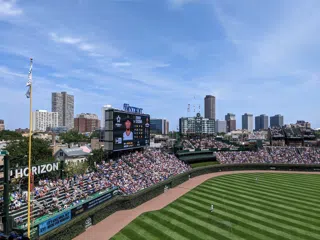
Wrigleyville, Chicago, from the ballpark to the lakefront
Tours of a 1914 ballpark, a landmark block of 40 doors, Graceland's architects and the bars on Clark Street, with the 2026 prices, hours and booking rules that decide what order you do them in.
Uptown Chicago from the Green Mill to the Magic Hedge
In Uptown you can hear jazz until 5 a.m., eat Beijing duck, count 349 bird species and read Chicago's architecture for free.

Walking Chicago's Chinatown from the gate to the river
The arch dates from 1975, the dim sum still comes on trolleys along Wentworth Avenue, and there is a pagoda on the water; the opening days decide the order you walk it in.
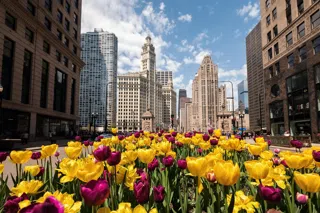
Walking Chicago's Magnificent Mile in October 2026
Thirteen free blocks from DuSable Bridge to Oak Street, and the handful of stops along them that need booking before you fly.
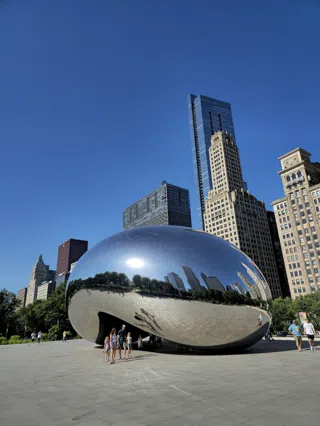
Chicago's Millennium Park in October Light
What still works in the park, what has been switched off for winter, and the hour when Cloud Gate gives you a clean reflection.
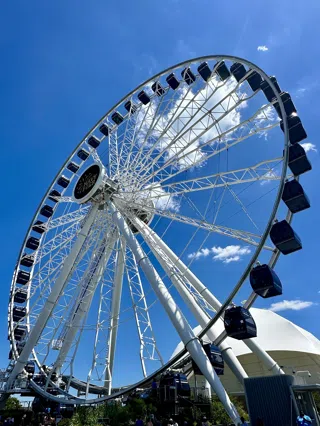
Chicago's Navy Pier in October Without the Summer Crush
The fireworks are over and the ice rink hasn't arrived yet, which makes October the one stretch when Navy Pier behaves like a normal piece of lakefront.
Inside Pizzeria Uno, the Chicago Room Where Deep Dish Began
The original 1943 deep-dish kitchen is still a working restaurant on Ohio Street. An honest afternoon there works around the bake: the rivals are a short walk, the museums are on the same block.
How Lincoln Park Zoo Became Chicago's Free Backyard
Chicago's 158-year-old zoo has never charged admission, and the greenbelt around it (market, beach, bird sanctuary, architects' cemetery) costs nothing either. Here is how locals actually use it.
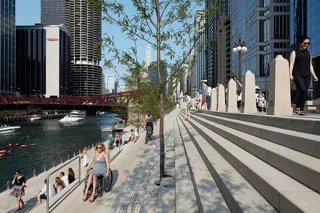
Boats, Bridges and Cider on the Chicago River in September
The architecture cruises, the bridge-lift mornings and the Riverwalk bars all peak in late September, and several of them close within weeks, so the order you do things in matters.
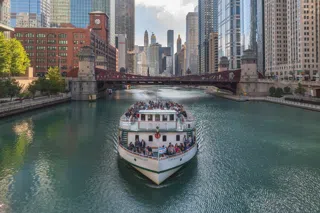
Chicago in October for First-Time Visitors
What a first trip to Chicago should look like in the month of clear light, closed streets and free buildings, with the indoor fallbacks ready before you need them.
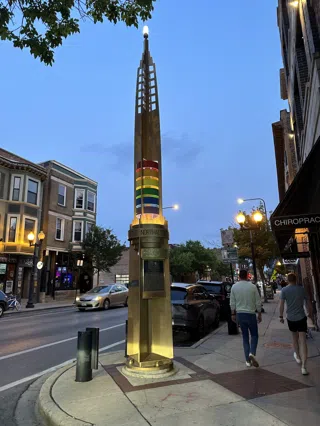
Chicago at Halloween Without a Single Haunted House
Halloween 2026 falls on a Saturday in Chicago, which packs a free Halsted parade, a 1921 movie palace, an aquarium after closing and Día de Muertos in Pilsen into one weekend.
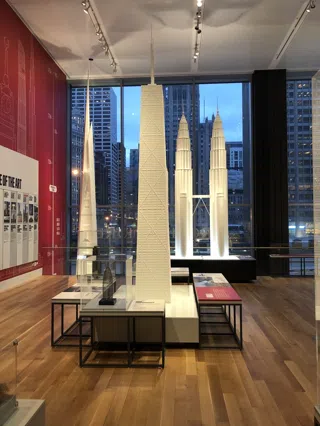
Open House Chicago in Three Half-Days and Two Late Nights
Around 200 buildings open free of charge on 17 and 18 October 2026. Here is how to walk three of Chicago's districts properly instead of chasing the whole list.

Where Chicago Eats When It Isn't Eating Pizza
Two Michelin stars in a Filipino bakery, goat birria on Broadway, duck banquets in Uptown and a smokehouse on 95th Street: a full week of Chicago eating that never touches deep-dish.
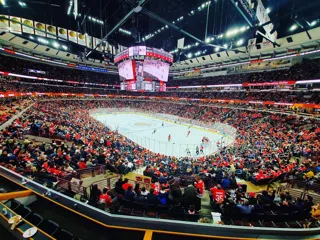
A Chicago Weekend Around Doja Cat at the United Center
Doja Cat plays the United Center on Saturday 3 October 2026. The show runs two hours; what makes the airfare worth it is the weekend around it, where to eat, where to sleep and how to move.
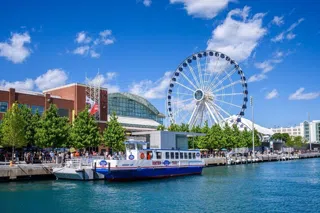
A First Chicago Weekend Built Around the Lakefront
Two days of parks, museums, boats and observation decks strung along Lake Michigan, in the order that actually walks, with 2026 opening dates, prices and the bookings you cannot leave to chance.
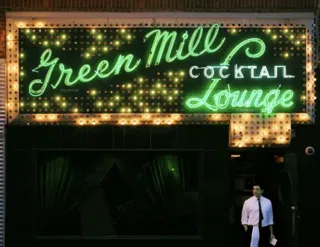
Chicago's Speakeasy Circuit Behind Unmarked Doors
Sixteen Chicago rooms sit behind trapdoors, laundromats and takeout counters. Which of them poured through Prohibition, which take groups, and how to walk them in one night.
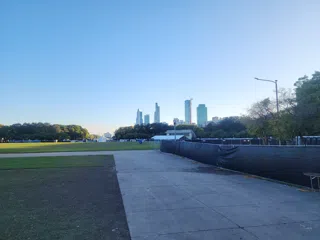
Planning a Chicago Marathon Weekend Without Wasting Your Legs
A four-day plan for the 11 October 2026 race: where to sleep for the shortest walk to the corrals, when to face the expo, what to eat, and how to see the city without spending a single mile on it.
Chicago's Basement Comedy Rooms After Midnight
A night-owl's route through the storefront theatres, dive-bar mics and after-hours club slots where Chicago's comics actually work, with prices, door rules and closing times.
Chicago's Decade of Rebuilding After the Great Fire
From a bronze pillar on a fire academy lawn to the glass prototype of the modern skyscraper, this is the ten-year rebuild that made Chicago the city it is.

How Chicago Turned Its Ashes Into a Steel Skyline
A walking itinerary through the landmarks, lobbies and hotels that prove Chicago rebuilt itself in fireproof stone and steel after October 1871, and never really stopped.
Chicago Is Where Modern Improv Was Born, and Still Lives
Second City taught the world how to improvise; six decades later, Chicago is still the city where you can watch it happen live, or learn to do it yourself.

The Pizza War Nobody Wins: Chicago's Deep-Dish vs Tavern-Style Divide
Deep-dish gets the postcards, tavern-style gets the weeknight loyalty — a route through both camps of Chicago's oldest food argument, no side-picking required.
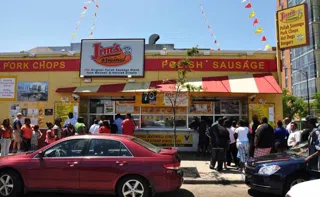
Dragged Through the Garden: Chicago's Hot Dog Stands and the City's No-Ketchup Religion
A half-day-by-half-day guide to the Depression dogs, char-dog rivals, late-night stands, and the flagship that still tells the story of Chicago's most defended dish.
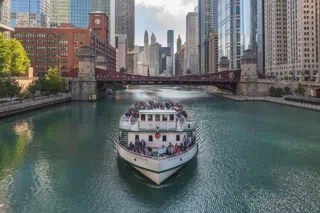
The City That Invented the Sky: Chicago's Architecture
A measured, half-day-by-half-day route through the city that built the first skyscraper — from the river that explains everything to Wright's suburbs and two houses that changed the world.

From Bronzeville to the Green Mill: Following Chicago's Living Jazz and Blues Lineage
A room-by-room guide to where Chicago's jazz and blues still play most nights of the week — what it costs, who each door suits, and when to turn up.

Wicker Park & Bucktown, Chicago: the city’s scruffy creative spine
A walk through Chicago’s old alternative heart, where the Blue Line rattles overhead, record shops still matter, and Milwaukee Avenue keeps the city’s maker energy in motion.

West Loop & Fulton Market, Chicago: where the city goes to eat
A block-by-block walk through Chicago’s former meatpacking district, now the city’s sharpest table, slickest cocktail corridor and most convincing warehouse-hotel base.
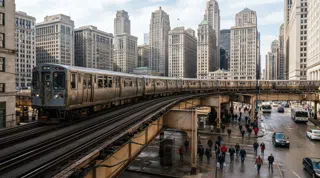
The Loop, Chicago: where the city’s tracks, towers and theatres meet
Chicago’s original downtown is a grand, fast-moving circuit of museums, rooftops, old institutions and the elevated ‘L’ that still wraps the district in steel.

River North, Chicago: where the city goes out to be seen
From the Merchandise Mart to Hubbard Street, River North is Chicago’s most concentrated mash-up of steaks, speakeasies, galleries and late-night noise.
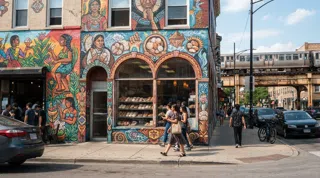
Pilsen, Chicago: murals, mezcal and the city’s Mexican-American heart
On Chicago’s Lower West Side, Pilsen turns 18th Street into an open-air gallery and an all-day feast, where murals, museums, carnitas and live music tell the neighbourhood’s story block by block.
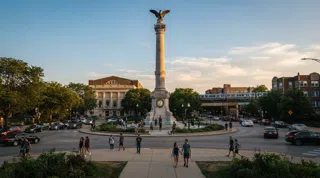
Logan Square, Chicago: boulevards, bars and a neighbourhood that eats late
Around a traffic circle crowned by a Doric column, Logan Square turns historic Chicago bones into one of the city’s most compelling places to eat, drink and stay out one more round.

Lincoln Park, Chicago: Where the Park Sets the Pace
A walkable North Side neighbourhood of free zoo mornings, lakefront air, serious restaurants and calm, tree-lined streets.
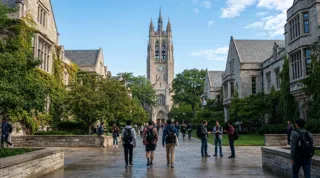
Hyde Park, Chicago: the South Side’s bookish, lakefront neighborhood
Seven miles south of the Loop, Hyde Park runs on campus time — Gothic quads, a swimmable limestone lakefront, great bookstores and a South Side cultural spine that’s about to change again.

Gold Coast, Chicago: mansions, martinis and the lakefront life
Chicago’s Gold Coast is where Gilded Age facades, Oak Street luxury and a beach at the foot of the Magnificent Mile still share the same polished, walkable few blocks.