97 city guides · 2,845 stories, new content daily
26 stories from colognecitybreaks.com, newest first.
What a 0,2 l glass costs at five Altstadt houses, which four beers they pour, and which of them will seat a group.
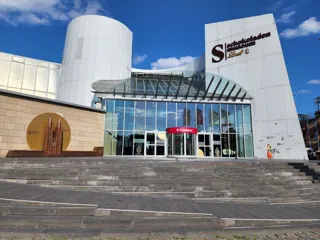
The world's third-largest Picasso holding is three minutes from the cathedral, under a saw-tooth roof, and an October afternoon is a good time to walk it.
Under Appellhofplatz is the Gestapo prison. The schoolyard that sent 130 children out on Kindertransports and the brick wall where the trains loaded are both within the same day's walk.
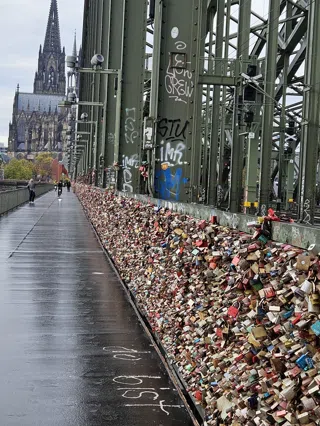
An hour-by-hour read on walking the Hohenzollern Bridge locks in October 2026: the four-metre footway, the free views that beat the paid one, and the river and cable-car seasons that end this month.
The Dom now charges €12 at the west portal, the south tower keeps its late summer hours until 1 November, and the treasury stays open after the nave closes. All three fit into one October morning.
A free, unhurried walk through 55,540 graves and a century of Cologne sculpture, with the gates, the rules, what a guided tour costs and the café that shuts at five.
The Roncalliplatz building is shut until the end of the decade, so seeing Roman Cologne now means one door on Cäcilienstraße and five stops in the street outside.
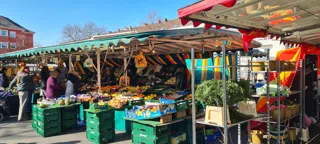
Two weekly markets, a 1919 Konditorei, a deaf-run café and a walk out to the lake: how to spend a slow half-day in the part of Cologne that isn't performing for anyone.
Where to stand for a cathedral view that works: the Deutz steps, the KölnTriangle deck, the cable car and the rooftops with a chair, plus prices, seasons and door rules.
Sixteen kitchens, counters and market stalls across the Belgian Quarter, Ehrenfeld and the old town, with the prices, the closing days and the door rules that catch visitors out.
Eleven trips out of the city: a Rococo palace twenty minutes south, a cogwheel railway to a ruined keep, a cable car over the Rhine gorge, 5.4 km of level beech forest. Fares, opening dates and what groups need to know.
Cologne's parks, riverbanks and forests one walk at a time, with the opening hours, fares and group sizes that decide where you end up.
The riverside museum on the Rheinauhafen tempers, moulds and wraps its own chocolate every working day, and the city around it has the workshops, confiserien and Veedel counters to match.
Sixteen bars on one fifteen-minute stretch of Cologne's South City. Door rules, group limits and closing times, pub by pub.
Three hundred years after Johann Maria Farina first bottled Eau de Cologne, the streets where he and his imitators worked still smell like the invention — and you can walk through nearly all of them in an afternoon.
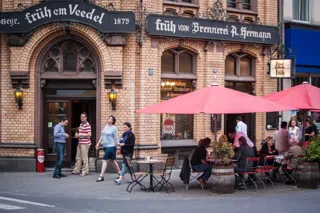
How Cologne's brewery halls actually work — the köbes, the small glass, the beer mat that stops the round, and which houses suit a group versus a couple.
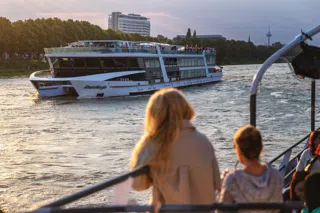
A door-policy-honest map of how Cologne actually drinks after sunset — from lounge cruises and sand beaches to a rooftop you can't just walk into.
A room-by-room, door-policy-honest route through the Roman fragments still standing, sunk, and load-bearing under Cologne's modern streets in 2026.
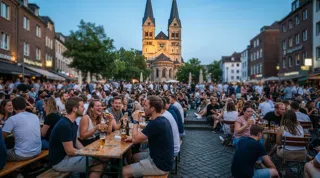
Kölsch is not so much ordered as administered — here is how the ritual works, and the Cologne houses where it is poured best, whether you are two at the bar or twenty at a long table.
A calm, practical field guide to Cologne's carnival week in February 2026 — which square, brauhaus, parade or gala actually suits your group, and how to survive the crowds.
Past the twin spires lies one of Germany's densest concentrations of serious art — the museums, member associations, blue-chip dealers and one-room off-spaces worth planning a trip around.
A calm, practical walk through Cologne's brauhäuser — the ritual of the endless 0.2-litre Stange, and exactly where to sit, book and behave.
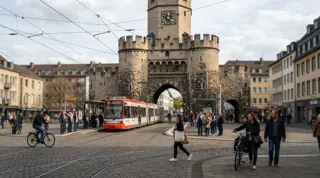
South of the Ring, Cologne gets softer around the edges: medieval gate, Gründerzeit streets, proper Kneipen, and a food scene that still feels like it belongs to the people who live there.
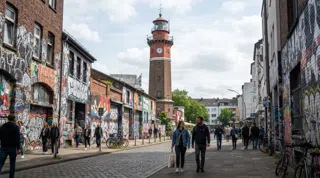
Brick factories, kebab queues, mural walls and club basements make Ehrenfeld Cologne’s most lived-in neighbourhood after dark.
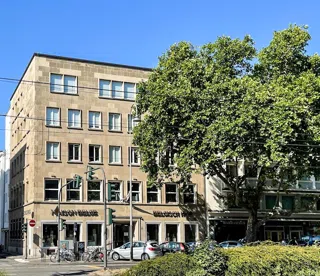
A walk through Cologne’s most design-forward quarter, from Brüsseler Platz’s evening spill to the city’s best little bars, boutiques and jazz rooms.
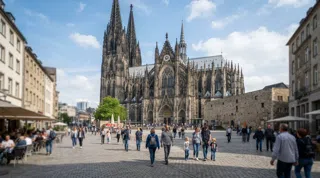
Cologne’s northern old town is all spires, brewery halls and river light — touristy, noisy and absolutely worth the trouble for a first look at the city.