Florence stories
51 stories from florencecitybreaks.com, newest first.

Florence Christmas Market 2026: Santa Croce Dates, Hours and a Festive Day Plan
Santa Croce's chalets trade for five weeks and shut on 20 December, and the rest of the Florence December calendar runs on single dates you have to diarise.

Seeing Michelangelo's David at Florence's Accademia
What a ticket costs in 2026, and the hours when the skylit tribune is quiet enough to look at the David properly.

Wine windows and gelato on a Florence sunset food walk
Nine to 10 Tuscan tastings and four wines over three and a half hours in the Oltrarno, with the counters and wine windows you pass on the same streets.

Settignano, the hill village 20 minutes from Florence
The della Robbia Madonna is free, the parapet has the whole of Florence under it, and the four villa gardens each need a different kind of booking.
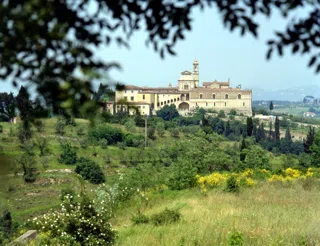
Galluzzo, the Florence village below a Carthusian monastery
Galluzzo rewards a plan: the Certosa opens only on its guided tour slots, and the lampredotto kiosk on the main square is where you eat.

Arcetri and Pian dei Giullari, the olive hill above Florence
Galileo's villa, a working 1872 observatory, two Romanesque churches and one trattoria with a view, on the walled lanes that climb out of Florence.

Florence's Santissima Annunziata quarter on foot
Fra Angelico's painted cells, an Etruscan chimera and a rooftop coffee with Brunelleschi's dome in view, all a few streets from the one Renaissance square Florence planned on purpose.

Walking Boboli and Porta Romana in Florence
The Medici terraces, five museums inside one palace, and the Via Romana tables behind them: in 2026 the closures decide what order you see them in.

Florence's San Marco quarter, from David to the botanic garden
Hours, prices and tables in the Florence quarter where Michelangelo's David is kept, plus three more monuments that cost nothing to enter.

Florence in November, Planned Around a 4:45 Sunset
In Florence the light is gone by a quarter to five, which is why the day runs in a particular order: Boboli at the early gate, the galleries that stay open until eight, and the chant at San Miniato.

Where to Spend a Slow Sunday in Florence
Sunday is the easiest day to move around Florence: the gardens are open, lunch runs long, and the doors that matter open at one.

Florence Garden Walks for When the Piazzale Is Full
Sixteen Florence gardens: free hillside parks, university beds, and walled family estates opened by appointment, each with the view and the quiet the famous terrace no longer has.

Florence With Kids on Two Sights a Day
A slower way through Florence for families: which museums children actually read, where they can run, and what to book before you arrive.

An Unhurried Anniversary in Florence
A Florence anniversary trip built on two fixed points a day and one long dinner, with the rest of the hours left open for the city itself.

How to See the Uffizi in Florence Without the Crush
Florence's most-queued gallery is bearable once you know the hours it fills, the ticket tier to buy and the rooftop door that stays quiet.

How a Small-Group Wine Safari Works Out of Florence
What a day of Chianti cellars in an open vehicle covers, which estates take small parties, and what it costs at the door rather than on a tour.

Florence Sunsets and Pizza Dough at Piazzale Michelangelo
Reach the railing early enough and book the pizza class late enough, and the whole evening falls inside the same twenty minutes of light.

Crossing Florence by Tram and Bus on a €2 Ticket
The flat €2.00 fare covers the tram, the city buses, the night network and the urban trains — here is how to use all four without wasting an afternoon working it out.

Walking Dante's Florence from His House Museum in October
The 1911 reconstruction on the Alighieri family plot is not the poet's house, but in October it is the right place to begin a half-day walk through the quarter he actually knew.

When Florence Actually Fills Up and How to Book Around It
Florence's crowds and room rates peak in the mild months, not the hot ones, and three tickets plus three fixed dates decide whether the trip works.

Six Days in Florence Without the Famous Sights
Six days is enough to spend a morning buying artichokes, an afternoon in a garden nobody queues for and a whole day in Chianti. Here is how the week fits together.
The Car-Free Way Through Florence and Out Into Tuscany
Trams, regional trains, rapid coaches, shared e-bikes and a rowing boat on the Arno: how to move through Florence, and reach the rest of Tuscany, without ever touching a steering wheel.

Where to Sleep in Florence When Autumn Rates Double
September and October are the months Florence is best to walk and hardest to sleep in cheaply. What moves the price is changing the kind of bed you buy, whether that is a hilltop suite or a palazzo guesthouse under €140.

Florence in October Without Losing a Day to Queues
The centre fills up, but some hours, some days and some rooms still work. Prices, opening times and what you actually have to book for an October trip.

Landing at Florence Airport and Still Making Dinner
How the tram, the flat-fare taxi and the booked van compare on price and time, so the five kilometres into Florence don't cost you your first evening.

Taking Florence Slowly on a First Visit
The afternoon tickets, the lifts, the bus up the hill and the flat museums that let you see Florence properly without walking yourself into the ground.

Buying Florence Leather From the People Who Make It
The workshops, ateliers and stores where Florence leather is cut, stitched and burnished while you watch, with the prices, the door policies and what the stalls are actually selling.

Florence's Great Art Without the Uffizi Queue
Sixteen Florence rooms, chapels and workshops that repay a short stay more than the headline museums do, with the door rules, timed caps and closing times that decide when you can actually get in.

Florence at 40C and Where to Hide From It
Florence in July turns hostile by eleven. An hour-by-hour plan for the day, the rooms that are genuinely cold, and where the city goes when the centre becomes unbearable.

Climbing to Piazzale Michelangelo for the Florence Sunset
Where to stand, what it costs and which gates shut before the light goes: the sunset side of Florence, hill by hill and rooftop by rooftop.

Eating Florence Beyond the Steak and the Gelato Queue
Dawn markets, a six-euro tripe panino and vegetable cooking with a Michelin star: the Florence meals that have nothing to do with bistecca.

Planning Florence Around the Tickets That Won't Move
Only three Florence sights run on a fixed clock. Here is how to book those, what the passes are actually worth, and how to spend the hours in between rather than a morning in a queue.

Three Days in Florence Without the Scramble
One timed ticket, a four o'clock museum slot and a monastery that shuts at lunch: how to see the essential Florence in three days at a walking pace.

Florence in September Without the Two-Hour Queues
Almost every major sight in Florence now sells a timed slot, so whether your morning works comes down to a booking made weeks before you fly.

Day Trips From Florence That Don't Cost You Florence
Some of the towns, cellars and coastlines within reach of Florence are worth a day of a first visit. Others keep better for a second.

Florence's Boboli Gardens, One Grotto at a Time
Behind Palazzo Pitti, five grottoes and a string of overlooked fountains turn a stroll through the Boboli Gardens into Florence's best outdoor treasure hunt.

Florence After Dark: The Ritual of the Chianina Steak
A guide to the trattorias, cellars and one hillside grill where Florence still treats a slab of Chianina beef as an event, not a menu item.

Florence's Gelato Trail: A Walk Through Frozen Craft
A tour through Florence's oldest and newest gelaterie, from the birthplace of Buontalenti to stone-milled Sicilian pistachio, for readers who want to taste the difference between dessert and craft.

Florence Comes Quiet: A Night Walk Along the Arno
From a boat launch under the San Niccolò weir to a dive bar by Ponte alla Carraia, here's how to spend an evening on Florence's riverbanks without joining a tour group.

Brunelleschi's Dome: The Engineering Puzzle Over Florence
Six hundred years on, nobody fully agrees how Brunelleschi held up 45 metres of open brick with no scaffolding underneath it — here's where to see the evidence for yourself.

The Vasari Corridor: Florence's Secret Elevated Walkway and the Medici's Private Commute
Reopened in December 2024 after eight years shut, the kilometre of raised passage that let the Medici walk home without touching the street is open again — on a timed, guided ticket only, and with its famous self-portrait wall now bare.

The Oltrarno Botteghe: Where Florence's Renaissance Never Ended
A working guide to Florence's surviving craft workshops — which take groups, which reward a couple, and how to book so the door actually opens.

Santo Spirito, Florence: the Oltrarno square that still argues back
Across the Arno, Santo Spirito is Florence at its most lived-in: Brunelleschi’s unfinished church, artisan streets, and a piazza that turns from market to aperitivo theatre by dusk.

Santa Croce, Florence: leather, late nights and the city’s living pantheon
A walk through Florence’s most human quarter, where Franciscan tombs, schiacciata queues, leather workshops and after-dark aperitivo all crowd into a few stubbornly alive streets.

Sant'Ambrogio, Florence: where the city still shops, eats and lingers
A walk through Florence’s most grounded quarter, where the market still sets the clock, trattorias still mean business, and the old city feels lived in rather than staged.

San Niccolò, Florence: the quiet hill-foot quarter that still feels like a village
A compact Florentine neighbourhood of medieval gates, artisan shutters and excellent wine bars, San Niccolò is where you come for sunset climbs, long aperitivi and a slower, more local Florence.

San Lorenzo & Santa Maria Novella, Florence: markets, Medici and the city’s working front door
A street-level walk through Florence’s pantry district, where the market still smells of broth and leather, and the Medici, Masaccio and the city’s oldest perfumery keep the old substance intact.

San Frediano, Florence: the Oltrarno’s Working Soul
Across the Arno, San Frediano trades postcard polish for workshop grit, serious trattorie and a night scene that feels gloriously, stubbornly local.

Porta al Prato & Cascine, Florence: the city’s green, practical west side
West of Florence’s marble sheen, Porta al Prato and the Cascine trade postcard prettiness for space, tramlines, cheap dumplings, opera, and the city’s biggest park.

Centro Storico, Florence: where the Renaissance still runs on foot
Between Brunelleschi’s dome and the stone theatre of Piazza della Signoria, Florence’s historic core is all masterworks, queues, and the small street choices that decide whether your day feels sublime or merely crowded.

Campo di Marte, Florence: the city’s working living room
A leafy, local Florence of stadium roars, no-nonsense trattorias and quiet residential streets just beyond the tourist ring.