A data-driven guide — where to stay, what to eat, and what not to miss.
Share
Guests & rooms
The Gran Canaria guide
An insider’s read on Gran Canaria
Locals call it a miniature continent and mean it literally, not as a slogan.
Gran Canaria is round, which sounds like a trivial fact until you drive it: forty minutes from the capital's grey Atlantic swell you are in pine forest at a thousand metres, and another forty gets you to a desert of dunes that would not look out of place in the Sahara. Locals call it a miniature continent and mean it literally, not as a slogan. The island built its modern economy on two unrelated bets a generation apart: Las Palmas grew rich as a transatlantic coaling and fishing port, then the south coast got paved over with resort hotels from the 1960s onward, and the two halves of the island still barely speak to each other.
That split defines the place. The capital is a working Spanish city of nearly 380,000 people, with a university, a fishing fleet and a carnival that locals actually attend; the southern coast is a separate economy built for package tourism from Britain, Germany and Scandinavia, running on euros earned in winter sun. Drive twenty minutes inland from either and you hit a third Gran Canaria again: terraced farming villages, cave dwellings and a volcanic caldera where the summer heat never quite reaches. A trip here rewards picking one of those registers and committing, or renting a car and refusing to choose.
The island's deeper character comes from the Guanche population that farmed and herded here for a thousand years before the Spanish conquest finished in 1483, and whose cave granaries and burial sites still outnumber the colonial monuments in the interior. Gran Canaria wears that layered history unevenly: Las Palmas restores its Art Nouveau façades and keeps a serious archaeology museum, while some inland villages still feel closer to the nineteenth century than the twenty-first.
Where you sleep shapes the trip. Here’s the honest orientation, area by area.
via Google
Vegueta & Triana (Las Palmas)
For Travellers who want history and walkability over beach access; the trade-off is you're a bus ride or a long walk from the sand, and it's less of a scene after dark than the beach district.
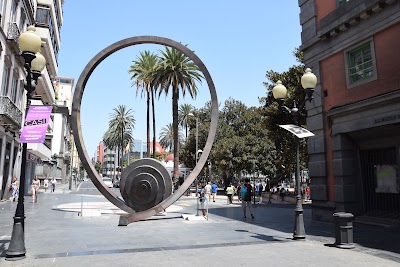
The old town where the city was founded in 1478: cobbled lanes, a working morning market, a cathedral, and the colourful Art Nouveau facades of Triana's main shopping street next door. Quiet by day apart from the market crowd, livelier on Thursday tapas nights when locals outnumber visitors in the bars.
Where to sleepSmall guesthouses and boutique hotels inside restored historic buildings; expect character and narrow streets over space or parking.
Casa de Colón
Museo Canario
Mercado de Vegueta
via Google
Las Canteras & Guanarteme (Las Palmas)
For Anyone who wants a real city with a genuine beach on the doorstep, including longer-stay visitors and remote workers; less suited to those chasing nightlife intensity, which is thinner here than in the south.
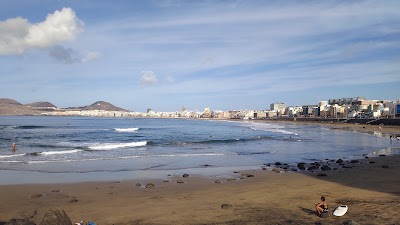
The capital's beach district, built around three kilometres of calm, reef-protected city beach that rivals any resort's sand without the resort price tag. Guanarteme behind it is residential, youngish, and full of everyday cafés rather than tourist menus.
Where to sleepMid-range hotels and short-let apartments a short walk from the promenade; book ahead in summer when the beach draws both tourists and islanders.
Playa de Las Canteras
Mercado del Puerto
La Barra reef
via Google
Playa del Inglés
For Visitors who came for nightlife and company, especially the LGBTQ+ scene; a poor fit for anyone wanting quiet nights or a local feel.
The island's biggest, loudest resort strip, built around the Yumbo Centre's day-to-night transformation from shopping arcade to one of Europe's longest-running LGBTQ+ nightlife hubs. Dense hotel blocks, multilingual menus, and crowds well past midnight on weekends.
Where to sleepHigh-rise resort hotels and apartment complexes a short walk from the Yumbo Centre; rooms closer to the centre trade quiet for convenience.
Yumbo Centre
Dunas de Maspalomas (adjacent)
Avenida de Tirajana
via Google
San Agustín
For Families and couples who want resort infrastructure without the Yumbo Centre's volume; those wanting an active nightlife scene should base themselves next door instead.
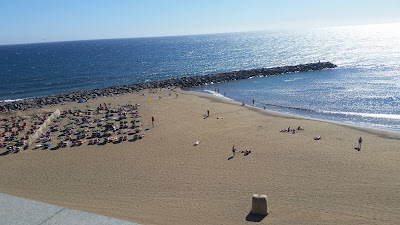
The older, calmer resort next door to Playa del Inglés, with a darker-sand beach, a residential feel and far less noise once the sun goes down. Feels like the grown-up relative of the strip next door.
Where to sleepEstablished mid-range hotels, several with casino or spa facilities, set back from a quieter seafront.
Playa de San Agustín
Casino Gran Canaria
coastal promenade to Playa del Inglés
via Google
Puerto Rico & Amadores
For Families with young children, thanks to the sheltered water and wind-protected microclimate; not the place for independent travellers wanting local atmosphere.
A marina-centred resort cluster sheltered from the island's wind by the surrounding mountains, with Amadores' imported golden sand next door giving it one of the calmest, most family-friendly beaches on the south coast.
Where to sleepApartment resorts and family hotels close to the marina and the beach shuttle to Amadores.
Playa de Amadores
Puerto Rico marina
boat trips to see dolphins
AI-generated image (OpenAI gpt-image-2)
Puerto de Mogán
For Couples and older travellers wanting resort comfort without high-rise scale; it's a long way from the airport and from Las Palmas, so day-tripping elsewhere eats into your day.
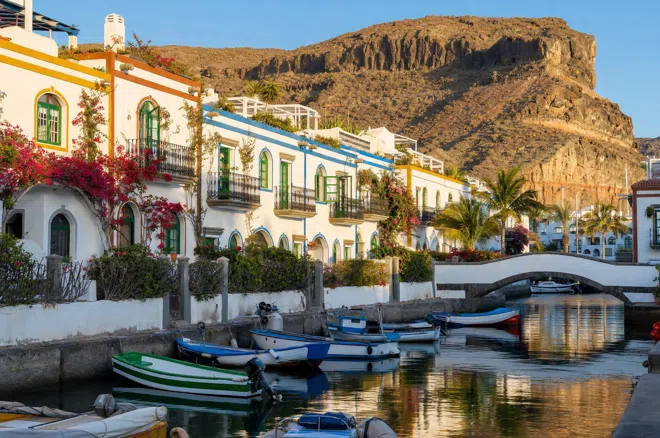
A former fishing village turned into the south coast's prettiest resort, nicknamed Little Venice for its canals and footbridges. Smaller-scale than the mega-resorts, with a genuine working harbour and a Friday market that still pulls locals.
Where to sleepBoutique hotels built around gardens and pools rather than towers, generally smaller and quieter than elsewhere on the south coast.
the harbour and canals
Friday street market
boat trips along the southwest coast
AI-generated image (OpenAI gpt-image-2)
Maspalomas & Meloneras
For Travellers wanting the dunes and a beach walk on one side and genuine luxury hotels on the other; it's spread out and car-or-taxi dependent for anything beyond your hotel.
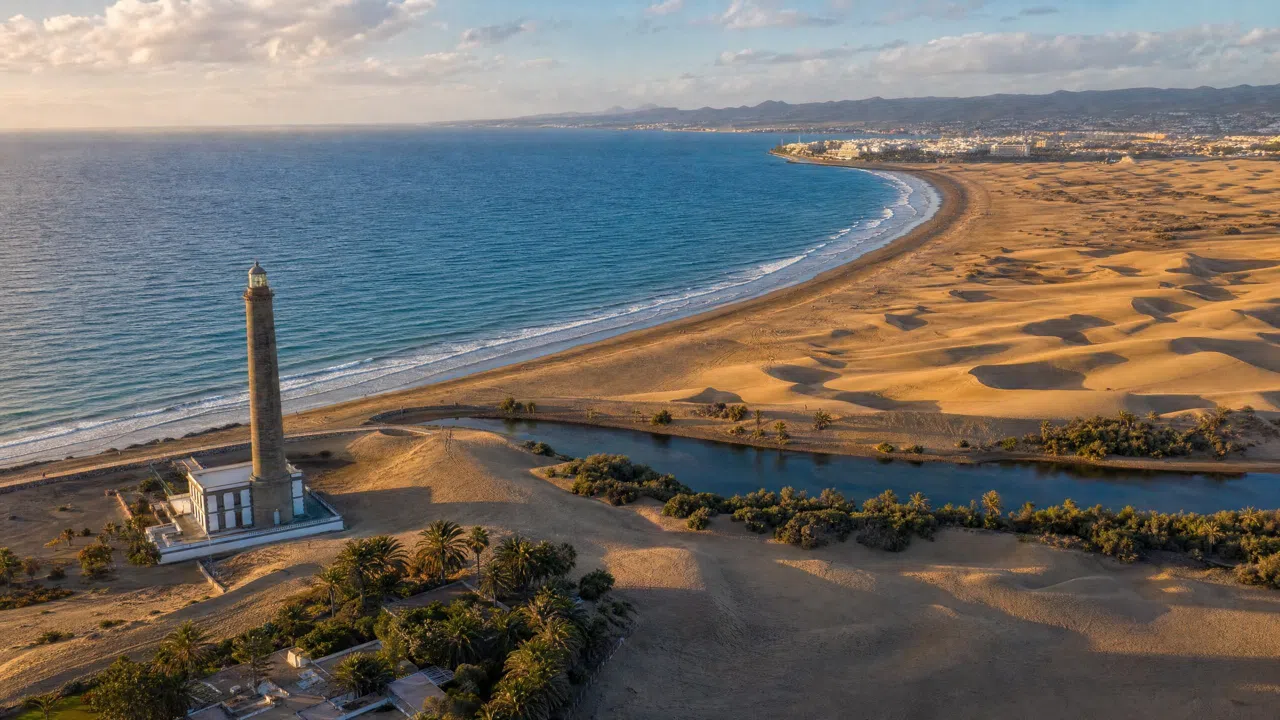
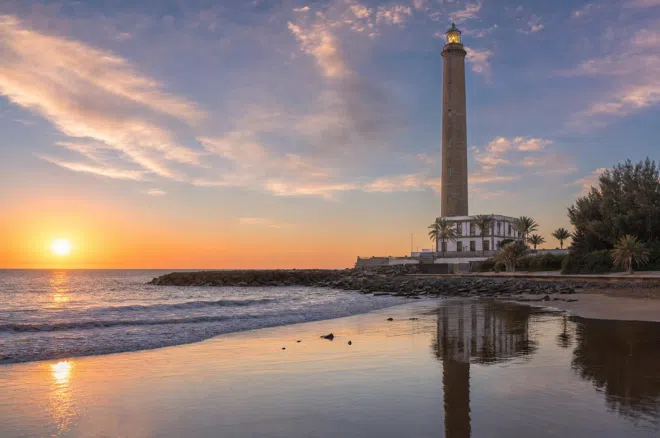
Maspalomas proper centres on its lighthouse and the vast dune nature reserve behind it; Meloneras next door is the glossier, newer strip of five-star resorts, designer shopping and upscale dining built specifically to sit apart from Playa del Inglés's budget crowd.
Where to sleepThe island's highest concentration of five-star resorts sits in Meloneras, with golf-adjacent hotels further inland around Maspalomas itself.
Dunas de Maspalomas
Maspalomas Lighthouse
Meloneras boardwalk
via Google
Arguineguín
For Travellers wanting a real town with resort-adjacent convenience and honest, cheap fish; not for anyone wanting resort facilities on-site.
A working fishing town that still lands its own catch, with a popular Tuesday street market and a beach-bar scene built around fresh seafood rather than cocktail menus. Less polished than the purpose-built resorts either side of it.
Where to sleepSimple apartments and small hotels rather than large resorts; most visitors base elsewhere and come for the market and the fish.
Tuesday market
the fishing harbour
beachfront fish bars
via Google
Agaete & Puerto de las Nieves
For Travellers wanting the island's most authentic coastal town, with no high-rise development and genuinely local restaurants; the trade-off is no sandy beach and a long drive from the south coast resorts.
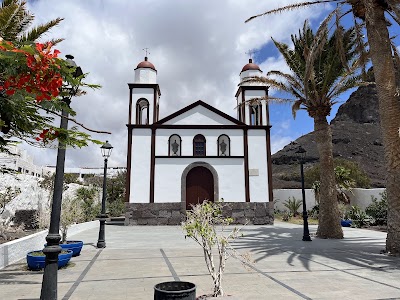
The northwest coast's green, steep-sided answer to the dry south: a whitewashed inland town backed by a valley growing coffee, one of only a few spots in Europe that does, next to a small, old-fashioned fishing harbour with a 17th-century hermitage.
Where to sleepA handful of small guesthouses and rural hotels in the valley; most visitors come as a day trip rather than basing here.
Puerto de las Nieves harbour
Valle de Agaete coffee plantations
the natural rock pools
AI-generated image (OpenAI gpt-image-2)
Tejeda
For Hikers and anyone wanting to feel the island's cooler, quieter side; it's a serpentine mountain drive from the coast in any direction, so it rewards staying rather than a rushed day trip.
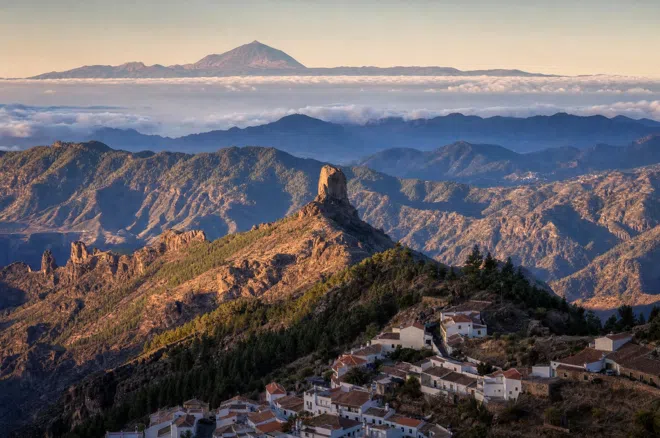
A whitewashed mountain village perched above its own volcanic caldera, with direct views to both Roque Nublo and Roque Bentayga. One of Spain's officially recognised prettiest villages, and the natural base for hiking the island's high interior.
Where to sleepA few small rural hotels and guesthouses with caldera views, modest in scale compared to the coast.
Roque Nublo viewpoint
the Tejeda caldera
local almond-based sweets sold in the village
via Google
Teror
For Travellers wanting a genuine slice of island life on a day trip; there is little reason to base an overnight stay here.
An interior market town built around a basilica and a Sunday market that draws islanders, not tourists, for local vegetables, cakes and Teror's own spiced chorizo. Traditional Canarian wooden balconies line the main square.
Where to sleepVery limited; this is a day-trip town, not a base.
Basílica de Nuestra Señora del Pino
Sunday market
the balconied main square
AI-generated image (OpenAI gpt-image-2)
Arucas
For A worthwhile half-day stop for architecture and the rum factory; not a place to base a stay.
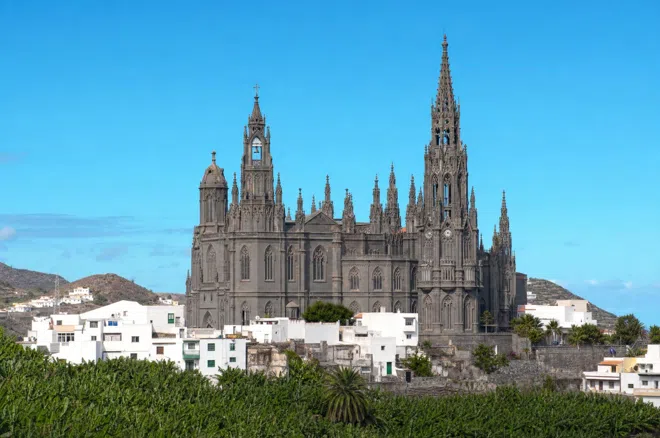
A northern town known for its Neo-Gothic basilica carved from local volcanic stone and for Ron Arehucas, the island's long-running rum distillery, set among banana plantations.
Where to sleepMinimal tourist accommodation; treat it as a day trip from Las Palmas or the north.
Church of San Juan Bautista
Arehucas rum distillery
Parque Municipal botanical garden
Eat & drink
Where to eat in Gran Canaria
Real tables, by category — from seafood and grills to the budget classics locals actually queue for.
Fine dining
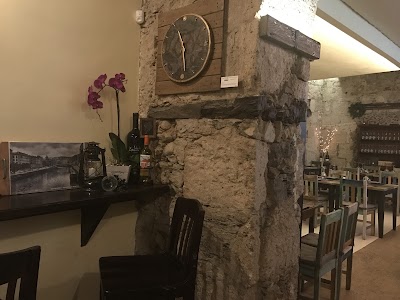
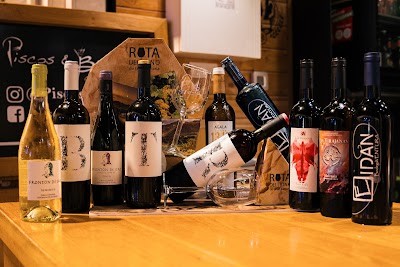
Las Palmas has quietly built a serious fine-dining scene around chefs reworking Canarian produce rather than importing a generic European tasting-menu template. All three of the following sit within walking distance of each other in the Triana and city-centre area.
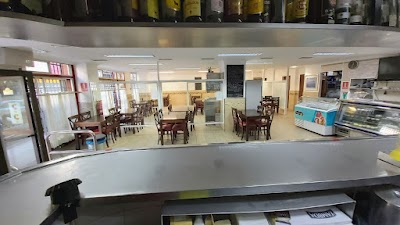
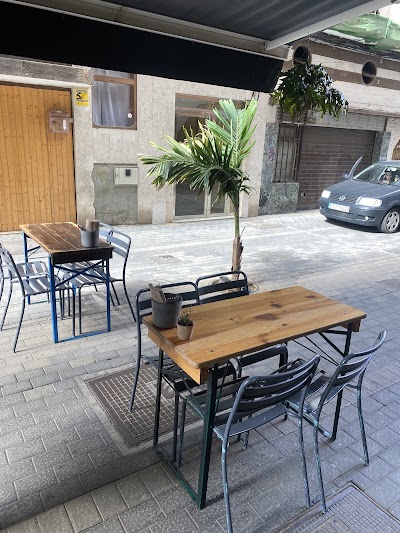
Vegueta and Triana hold the island's strongest cluster of kitchens cooking straight Canarian food without pretence: papas arrugadas, mojo, and grilled or stewed meats built for sharing over a long lunch.
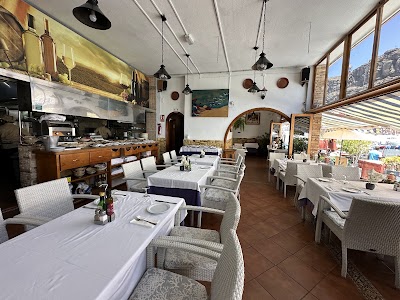
The island's best fish comes from its working harbours, not its tourist strips: Puerto de Mogán's quayside kitchens and the old-school fish houses near Las Canteras both let you choose your catch before it hits the grill.
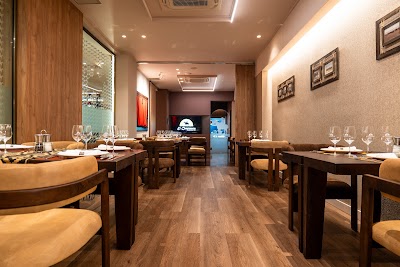
Grilled meat in Las Palmas leans Argentine and Canarian-barbecue in roughly equal measure, with long-running specialists rather than chain steakhouses.
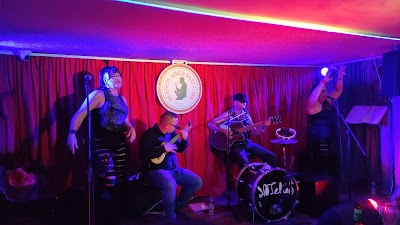
Where the night goes — clubs, rooftop cocktails and the rooms with the best live music.
Nightclubs
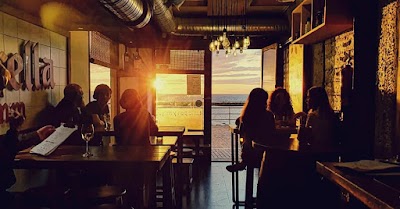
The island's real club scene lives in the south, built almost entirely around the Yumbo Centre's nightly transformation, with Las Palmas offering smaller, more local alternatives.
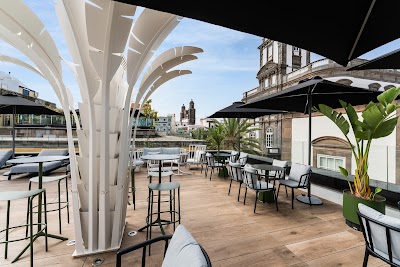
Las Palmas has quietly become a serious rooftop-bar city, helped by the fact nearly every tall building looks out over either the bay or Las Canteras beach.
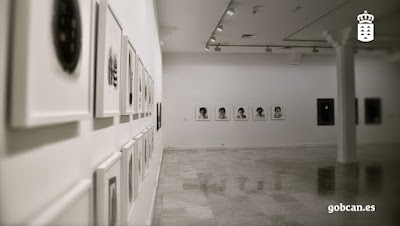
Contemporary art on the island concentrates almost entirely in Las Palmas, run through two publicly funded centres rather than a commercial gallery scene.
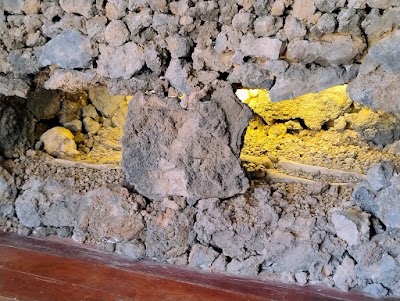
A deep, green ravine lined with centuries-old cave dwellings, some still lived in or run as small restaurants, offering both an easy loop walk and a direct look at how the island's earliest inhabitants built their homes.
via Google
Walk out to Roque Nublo
Tejedahalf day★★★★★★★★★★4.8(2,674)
A short, moderate trail from the La Goleta car park to the base of the island's most recognisable rock formation, with views across to Roque Bentayga and, on a clear day, Tenerife's Teide.
via Google
Spend a morning in the Maspalomas dunes
Maspalomasa few hours★★★★★★★★★★4.8(22,122)
A walk through genuine living sand dunes, a palm oasis and a protected lagoon, all a short walk from the resort hotels but under full nature-reserve protection.
via Google
Learn to surf or swim at Las Canteras
Las Palmashalf day★★★★★★★★★★4.9(2,448)
A rare city beach with both a calm, reef-protected swimming section and a proper surf break at the northern end, used daily by Las Palmas locals rather than just visitors.
via Google
Visit the Jardín Botánico Canario Viera y Clavijo
near Las Palmasa few hours★★★★★★★★★★4.5(10,065)
Spain's largest botanical garden, built across a ravine and holding Macaronesian plant species found almost nowhere else, including some on the edge of extinction.
via Google
Drive the north coast to Agaete for coffee and fresh fish
Agaetefull day★★★★★★★★★★4.7(13)
A slow coastal and mountain drive ending at one of the only places in Europe growing coffee commercially, followed by lunch at the harbour in Puerto de las Nieves.
via Google
Beyond the city
Day trips
Tejeda and Roque Nublo loop
★★★★★★★★★★4.8(2,674)
A single-day mountain route combining the whitewashed village of Tejeda, its caldera viewpoints and a walk to the base of Roque Nublo, covering the island's volcanic interior in one trip.
Getting therehire car, roughly 1-1.5 hours each way from Las Palmas or the south coast on mountain roads
via Google
Agaete and the Valle de Agaete
A northwest coast day combining the old fishing harbour at Puerto de las Nieves, a whitewashed market town, and a green valley growing coffee, a sharp contrast to the dry south coast.
Getting therehire car, about 45 minutes from Las Palmas; limited direct bus service
Teror and Arucas market towns
★★★★★★★★★★4.5(715)
Two interior and northern towns, one built around a basilica and Sunday market, the other around a Neo-Gothic cathedral and a working rum distillery, both doable in a single loop from the capital.
Getting therehire car or Global bus, 20-30 minutes from Las Palmas to either town
via Google
Book ahead
Things to do in Gran Canaria
Top-rated tours, tickets and experiences — book in seconds, skip the line.
These are affiliate links. We may earn a commission when you book — at no extra cost to you. Tours are sold and operated by our partner, who is the merchant of record.
What it costs
Budgeting
The Canary Islands charge a lower local tax than mainland Spain, which keeps food, drink and services noticeably cheaper than similar destinations elsewhere in the country. Costs rise sharply with proximity to the big south-coast resorts and fall just as sharply once you're eating where locals eat in Las Palmas or the interior.
Travel style
Per day
Backpacker
€45-65
Mid-range
€90-140
Luxury
€220-400
Timing
When to visit
Gran Canaria has close to year-round sun on the south coast and a genuinely different, cooler climate in the north and the interior, so timing matters more for crowds and your own tolerance for heat than for whether it rains. April to June and September to October give the most reliable balance of warmth, lower prices and manageable crowds.
Winter (December-February)Peak season on the south coast: northern Europeans fill Playa del Inglés and Maspalomas for winter sun, with daytime highs around 21°C and the sea cooler than summer. Las Palmas Carnival runs late January into March and brings crowds and noise to the capital. Light rain is more likely in the north and interior; the south stays largely dry.
Spring (March-May)Good hiking weather in the interior before the summer heat sets in, with wildflowers in the ravines and comfortable midday temperatures. Easter week pushes domestic Spanish visitors onto the island and fills hotels in the resorts and inland villages alike.
Summer (June-August)Hottest and driest months, with the south coast regularly over 28°C and the interior roads best tackled early morning. This is high season for beach time and watersports, and also when mainland Spanish families take their main holidays, so the south coast gets genuinely crowded. August 4th's Bajada de la Rama in Agaete is the big traditional festival.
Autumn (September-November)The sea is at its warmest after the summer, crowds thin out from October, and this is a strong window for both beach time and hiking before winter's light rain returns to the north. Prices soften noticeably once the summer school holidays end.
Gran Canaria Airport (LPA) sits on the east coast, roughly equidistant from Las Palmas and the southern resorts. Line 60 runs to the capital in about 25 minutes; line 66 runs south to Maspalomas and Playa del Inglés in around 35 minutes, with Global buses departing from the Aeropuerto Sur Expres stop. A metered taxi to Las Palmas takes about 25 minutes; to the southern resorts, allow a similar or slightly longer run. There is no train link anywhere on the island.
Public transit
Global (Guaguas Global) runs the island's entire bus network, well over a hundred routes connecting the airport, Las Palmas and every resort town and interior village, though frequency drops sharply once you leave the main coastal corridors. The flagship routes, Las Palmas to Puerto de Mogán and Las Palmas to the Maspalomas lighthouse, run often and are the backbone for anyone staying without a car. Within Las Palmas itself, city buses (Guaguas Municipales) cover the urban sprawl between Vegueta, the port and the beach.
Passes & tickets
A rechargeable travel card sold at Global kiosks and some kiosks/newsstands gives a meaningful discount over single paper tickets and works across the whole island network; it is worth getting if you are making more than a couple of bus trips. There is no tourist-specific multi-day transit pass equivalent to a city metro card.
On foot
Las Palmas is genuinely walkable within Vegueta, Triana and the Las Canteras seafront, though the city stretches long and thin, so crossing between the old town and the beach district means either a decent walk or a short bus hop. The southern resorts are walkable within themselves, Playa del Inglés to Maspalomas along the dune boardwalk is a pleasant stroll, but they are not realistically walkable to each other or to anything inland. Interior villages are each walkable on foot once you arrive, but getting between them without a car means working around infrequent bus timetables.
1
A hire car is the only practical way to see the interior properly; bus journeys that take over an hour by road can stretch into most of a day by bus.
2
Choose a car with reasonable engine power for the mountain roads, which climb fast and switch back constantly; a small, manoeuvrable car matters more than a big one for parking in villages.
3
Buses get crowded on the Las Palmas to south coast corridor on weekends and during carnival; buy your ticket or tap your card at the right machine, since fare dodging fines are enforced.
4
If you are based in the south and want to see Las Palmas for a day, the direct bus is cheap and avoids both driving into an unfamiliar city and parking.
5
Petrol stations thin out fast once you leave main roads in the interior; don't let the tank run low before a mountain loop.
Travel smart
Safety & etiquette
Gran Canaria is genuinely safe by European standards, with violent crime against visitors rare, but petty theft has become a real and growing concern in crowded tourist zones, particularly Vegueta and the cruise port in Las Palmas, and the Maspalomas and Playa del Inglés resort strips. Common scams include taxi overcharging on unmetered or indirect routes, people posing as plainclothes police asking to check wallets or passports, and pressure-sell timeshare invitations dressed up as free tours. Keep passports and spare cards in your accommodation, carry only what you need to the beach, and stay alert on crowded buses and in busy nightlife areas late at night.
Local etiquette
Lunch runs long and dinner starts late; don't expect a full menu if you arrive at a local restaurant at six in the evening.
Tipping is appreciated but not expected; rounding up or leaving small change for good service is normal, a flat 10% is generous rather than standard.
Many shops, especially outside the main resorts, close for a few hours in the early afternoon; plan errands around it rather than against it.
Topless and nude sunbathing is common and accepted on specific beach zones, including parts of Maspalomas, but not assumed everywhere; follow the local norm on the beach you're on.
From the ground
Practical tips
1
Book interior village guesthouses and Puerto de Mogán's boutique hotels well ahead in spring and autumn, when both hikers and mainland Spanish holidaymakers compete for the limited rooms.
2
If flying into LPA for a southern resort, take the direct line 66 bus rather than connecting through Las Palmas; it's a faster, cheaper, single journey.
3
Carry small change and a card for bus fares and market stalls in the interior; some smaller local businesses outside the resorts are cash-preferring.
4
Reserve tables at Qué Leche and other small, well-known Las Palmas kitchens days ahead; they are genuinely tiny and fill from locals before visitors even hear about them.
5
If hiking Roque Nublo or anything in the interior in summer, start at or before sunrise; the exposed volcanic rock gets uncomfortably hot by late morning.
6
Check Centro de Arte La Regenta's current exhibition online before visiting; its small, rotating programme means some weeks have nothing showing.
7
Don't plan a day trip to Museo Néstor; it has been closed for renovation for years and isn't expected to reopen until around 2027-2028.
8
If you want fresh fish at Bar Playa El Boya in Arguineguín, arrive before the lunch rush starts or expect a genuine wait for a numbered ticket.
Book direct
Book a hotel in Gran Canaria
Loading live availability and real-time prices…
Good to know
Gran Canaria FAQs
Do I need a car to see Gran Canaria properly?
If you want to see the interior, the mountain villages and the volcanic landscapes, yes, since bus connections there are slow and infrequent. If you're staying purely in Las Palmas or a single resort, you can manage comfortably without one.
Is the tap water safe to drink?
It meets EU safety standards but is largely desalinated seawater and often tastes poor; most visitors and many locals drink bottled water, less for safety than for taste and to avoid stomach upset while adjusting.
Which coast should I choose, north or south?
The south coast, around Maspalomas and Playa del Inglés, is reliably sunny and built entirely for resort tourism; the north, around Las Palmas, is a real working city with a cooler, cloudier climate and far more local character.
Is Gran Canaria good for a non-beach trip?
Yes; the interior's hiking, volcanic landscapes and mountain villages stand on their own, and a trip built around Las Palmas and the interior barely needs the beach at all.
How many days do you need?
A week lets you properly split time between Las Palmas, one resort base, and at least one trip into the interior; anything shorter means picking one register of the island and accepting you'll miss the others.
Is Playa del Inglés only for nightlife and younger travellers?
It's the island's nightlife hub and especially known for LGBTQ+ tourism, but the resort also runs plenty of calmer, family-oriented hotels; it's San Agustín next door, not Playa del Inglés itself, that's genuinely quiet.
Can I day-trip to another Canary Island?
Yes; Fuerteventura and Tenerife are both reachable by direct ferry from Las Palmas or Agaete, though the crossing times make an overnight stay more comfortable than a rushed single day.
Is it worth visiting during Carnival?
If you want to see the island's biggest cultural event, yes, but expect crowded hotels, higher prices and a loud, late capital city rather than a relaxed beach holiday during the main carnival weeks.