Liverpool stories
27 stories from liverpoolcitybreaks.com, newest first.

Liverpool's 2026 Christmas markets and what to book
Liverpool swapped its chalet rows for an ice rink this year. The two rinks suit different groups, and the real makers' markets have gone elsewhere.
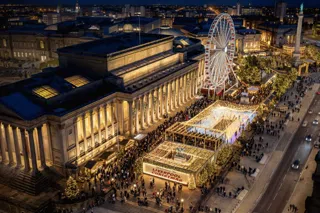
Liverpool Christmas Market 2026: Skate St George's, Big Wheel and Dates to New Year
Underbelly's open-air rink and big wheel have taken the chalet market's place, and five more rinks are within 40 minutes of them.
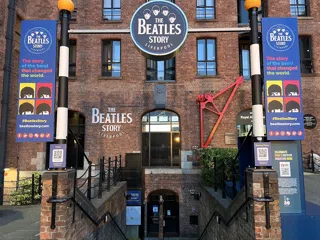
Walking the Beatles Story under Liverpool's Albert Dock
The cellars are old warehouse basements under the dock, with a white piano in them and 19 shallow steps where the lift should be, and the other Beatles stops around the dock and out in Woolton are worth your remaining hours.

Liverpool's Strawberry Field Gates and Gardens in October
What £12.45 gets you at Strawberry Field in October 2026, plus the free Woolton walk that fills the rest of the day.

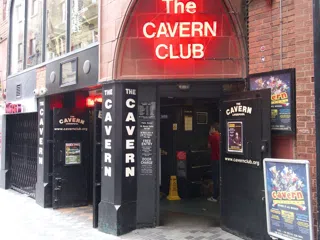
Liverpool's Cavern Club cellar on an October night
Door prices, the first band at 11:15 a.m., the under-18 cutoff, and how to fill the daylight either side of a Cavern Club session in October 2026.
Pedal a Beer or Prosecco Bike Round Liverpool's Baltic Triangle
Liverpool has three party-bike operators, and they do not work the same way: what an hour on the pedals costs, which one takes groups under eight, and where to put fifteen people when the ride ends.

Walking Liverpool's Royal Albert Dock in October
The quaysides are free and best before ten, but October is when half this waterfront changes its opening hours. Here is what is open, what stays dark until 2028, and the one week worth building the trip around.

Liverpool's Peaky Blinders Locations From the Back of a Cab
A four-hour taxi loop through the warehouses, squares and model village Liverpool lent the Shelbys, with what every stop costs if you go alone.

Walking from Liverpool's Chinese Arch Down to the Docks
Europe's oldest Chinese community is a fifteen-minute walk uphill from the Mersey, and that walk is where Liverpool's migration history is easiest to see.

Liverpool's Gangland Streets and the Peaky Blinders Trail
The real gangs, the filming locations, the cells you can drink in, and which doors turn a group away.

Bunkers, Tunnels and Small Museums in Liverpool
Fifteen indoor stops in Liverpool worth an hour each, including a sealed 1945 command bunker and a photographer's house where nothing was thrown away.

Sixteen Day Trips from Liverpool, All by Train
Sixteen places you can reach from a Liverpool platform and be back by evening, with the journey times, the fares and the catch on each one.

Two Days in Liverpool Built Around an Anfield Match
How to book, eat, drink and sleep around a first match at Anfield without losing the weekend to taxi rides and queues.

Where to Look Down on Liverpool and What It Costs
Every high place in Liverpool worth the trip, from a 152-metre cathedral parapet to a free hilltop park, with the prices, the door rules and who each one suits.

Liverpool in the Rain, From Lime Street to the Docks
The best rooms in Liverpool are indoors, and most of them are free. A wet-weather plan with real opening times, prices and walking distances that hold up in a downpour.

Where to Hear Real Scouse Spoken in Liverpool
A local's route through the pubs, stages, and tours where Liverpool's accent and slang show up unscripted, not performed for a camera.

Liverpool's Two Cathedrals and the Street Between Them
A calm walk up Hope Street between Liverpool's Gothic Anglican cathedral and its modern Catholic rival — with timings, prices and where to stop along the way.

A Liverpool Weekend Without the Beatles
Two cathedrals a ten-minute walk apart, a Georgian quarter most visitors never turn into, and a Nigerian food scene worth crossing the city for — the Liverpool weekend that has nothing to do with a tribute band.

The Vinyl City: Liverpool's Record Shops and the Culture That Outlasted the Merseybeat
Liverpool sold the world four Beatles and kept its record shops running anyway — a walking guide to the city's independent vinyl culture, from a 1971 institution to a 2023 upstart, with the cafés and pubs where you inspect the haul.
The Beatles' Liverpool — the real streets behind the songs
Beyond the coach-window version: the actual churchyard, cellar, and pub circuit that made the Beatles, walkable in 2026 exactly as they left it.

Liverpool on the Water: The Docks, the Three Graces and a City Reborn by the Mersey
A calm, practical walking guide to Liverpool's waterfront in 2026 — the Grade I docks, the Three Graces, the river cruises and the regenerated northern quays, with real timings and honest advice on what suits groups and what suits couples.

Royal Albert Dock & Waterfront, Liverpool: the city’s postcard edge
A walkable sweep of warehouses, monuments and river light, where Liverpool’s most famous view still does the heavy lifting.
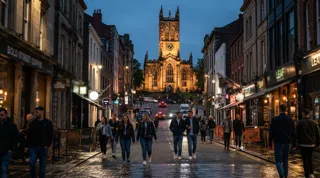
Ropewalks, Liverpool: the city’s loudest square mile with the best independent food and night out
A walk through Ropewalks, where Liverpool’s rope-making streets now pack in Bold Street dinners, record shops, speakeasies and late bars without losing their rough-edged charm.

Lark Lane & Aigburth, Liverpool: the south-city strip that ends in a park
A walkable south Liverpool neighbourhood of indie cafés, bohemian pubs and Sefton Park at the end of the street.

Georgian Quarter, Liverpool: cathedrals, culture and Hope Street after dark
Between two cathedrals and a half-mile of Hope Street, Liverpool’s Georgian Quarter does its best work on foot: grand buildings, proper dinners, live music and a quieter kind of night out.

Business District & Dale Street, Liverpool: the city’s grand old money mile
From Victorian banking halls to cask-ale pubs and Castle Street dining, Liverpool’s business old town is where the city’s moneyed past still runs the show after dark.
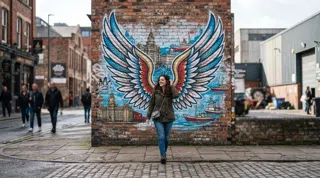
Baltic Triangle, Liverpool: warehouses, wings and late nights
Liverpool’s rough-edged creative quarter turns dockside sheds into food halls, breweries and warehouse clubs, with murals, markets and a proper Scouse sense of mischief.