New York stories
42 stories from newyorkcitybreaks.com, newest first.

New York's 90-minute December cruise past Lady Liberty
A December sail past Lady Liberty covers a lot in 90 minutes, and there are days when landing on Liberty Island or riding the free ferry makes more sense.
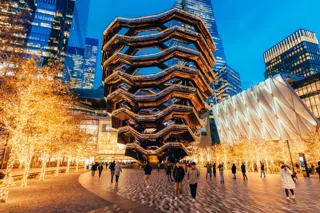
Climbing New York's Vessel now that half of it is closed
Half of the Vessel's climb now sits shut behind mesh. You can still get your money's worth out of the slot you book, and it is worth deciding before you pay whether to add Edge on the same trip.
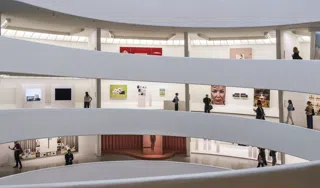
New York's Best Museum Shows This Winter: Brancusi, Virgil Abloh and Pop at the Guggenheim
New York has given whole floors, and the Guggenheim's entire ramp, to single artists this winter. Not all of them earn an afternoon, and a few of the best cost nothing if you go on the right day.
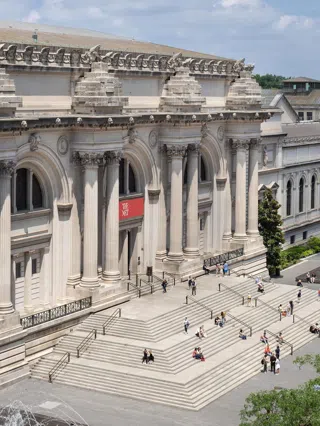
New York's Upper East Side from Museum Mile to the river
Ticket prices and closed days along the Museum Mile, the East River walk at Carl Schurz Park, and which Upper East Side tables you need to book two weeks ahead.

Chelsea in New York on foot, from the High Line to Cushman Row
A walk up the old viaduct, through the Nabisco factory and the gallery blocks to the pier lawns, with 2026 hours, prices and door rules for Chelsea.

How to plan a day in New York's Meatpacking District
Elevated rails, a floating park, a sand beach and a rooftop door that stays open until 4 a.m. The 2026 hours, prices and rules are what decide the order you walk them in.
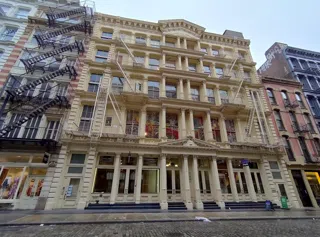
Cast iron, free art and dinner in New York's SoHo
The Greene Street facades, the free art rooms, the tables that need booking and the counters that don't, with hours and prices for 2026.
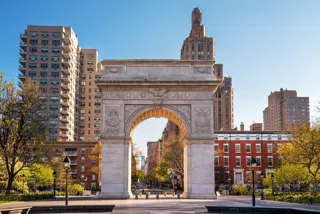
Greenwich Village, New York, from the arch to the river
Washington Square, Stonewall, two basement jazz rooms and the late slice counters, with the hours, prices and door rules that decide the order you walk them.
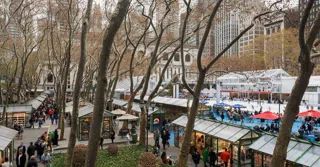
New York at Christmas 2026: The Tree, the Window Displays and Holiday Markets on a Budget
The tree, the Saks facade show, Macy's Santaland and four holiday markets, nearly all of it free, with the 2026 dates and the one booking you have to make.

Walking New York's Chinatown Street by Street in October
The signage, the markets and both temples are packed into three blocks of Mott Street, and an October weekday is the only time every door is open.

The Gilded Age Mansions Still Standing on Fifth Avenue
A dozen robber-baron palaces survived the wrecking ball by becoming museums, embassies, bookshops and hotels, and here is how to get inside each one, plus which doors will turn you away.

How New Yorkers Really Live Above the 20th Floor
A resident's-eye route through New York's vertical city: the lifts, the cable car, the Bronx co-op, and the few high rooms where a visitor can borrow the life for an evening.
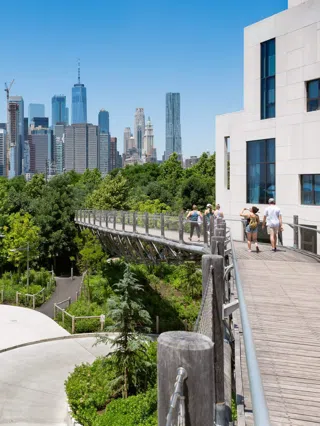
November on the Brooklyn Heights Promenade in New York
The harbour wind is brutal and the light turns gold by four, which is when the best free view in New York belongs to you rather than the summer crowd.
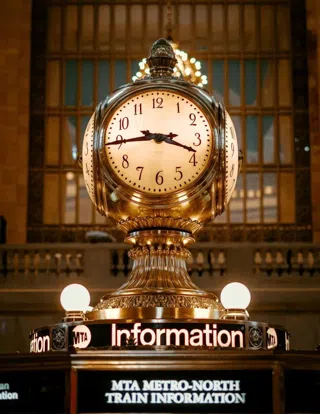
Marble, Whispers and Bus Tours at Grand Central in September
An honest look at what Grand Central Terminal actually gives you in September 2026: the marble, the backwards ceiling, the whispering arch, the weekday-only Oyster Bar and exactly where the open-top buses pick up outside.

Open-Top Buses Through New York's Cast-Iron SoHo in September
The downtown loop runs straight past the densest collection of cast-iron architecture in the world. Here is where to ride it, where to get off, and what the top deck cannot show you.
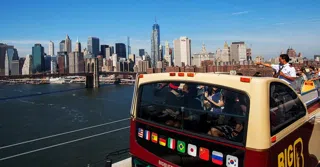
New York's Greenwich Village by Open-Top Bus, September 2026
What the Downtown loop shows you of the Village, where to get off and walk, and how to spend the hours the bus can't reach.
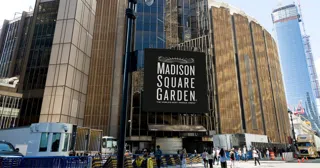
Planning Ten November Nights Around New York's Comedy Festival
The 2026 New York Comedy Festival runs 6 to 15 November, across arenas, landmark theatres and Village basements. Book it right and a trip can hold six shows without turning into a forced march.
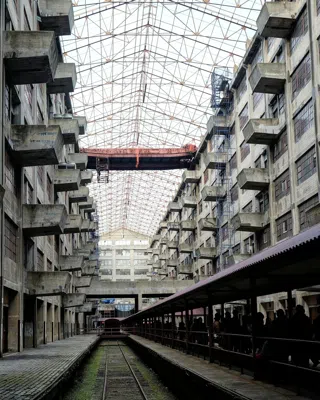
Getting Inside New York During Open House Weekend
Open House New York opens a few hundred locked doors from 16 to 18 October 2026, and here is which ones are worth the subway ride, which need a ticket you will probably not get, and what to book instead.
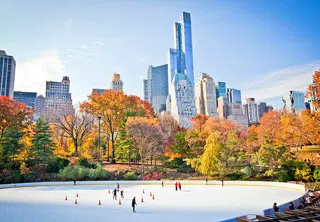
New York for the First Time Without Racing the Map
A first-timer's plan built around one part of town a day, with real prices, booking windows and the walks that stitch the sights together.
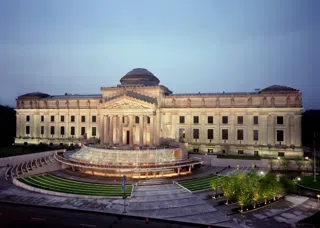
New York Museum Shows Worth Building an Autumn Trip Around
Van Herpen's algae-grown couture in Brooklyn, forty Tuscan bronzes on Fifth Avenue: the autumn 2026 exhibitions that justify the flight, with timings, prices and honest notes on which suit two people and which suit twelve.
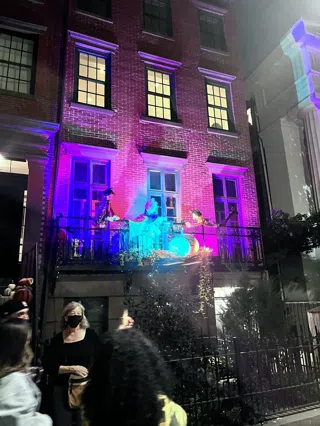
New York's Village Halloween Parade Welcomes Anyone in Costume
The only parade in America where the crowd is allowed to become the show. How to march it, where to eat before Bleecker Street seizes up, and what to do with the rest of October in New York.
Where to Stand and Eat on 2026 New York Marathon Weekend
A three-day plan for the 2026 TCS New York City Marathon: where to collect a bib, the kerbs worth standing on across all five boroughs, and the tables to book before the roads close.
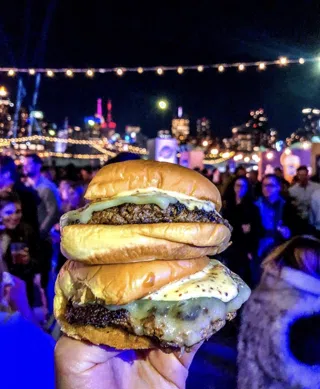
Eating Cheap and Well Around New York's Food and Wine Festival
Four days of tickets, markets and wine counters in New York, with what each one costs and when to turn up.
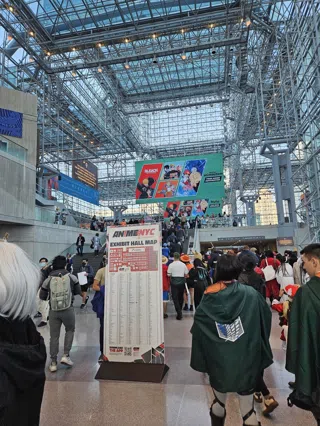
Planning a First New York Trip Around October's Calendar
October is two different trips in one month, and the half you book decides your foliage, your hotel rate, and whether Midtown has a room left for you.
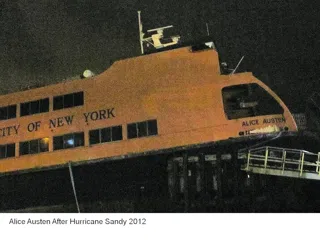
Riding the Staten Island Ferry Before New York Wakes Up
The free 25-minute commuter boat out of Whitehall gives you the harbour, the skyline and the Statue of Liberty with almost nobody on deck. Here is how to time it and what to do when you land.
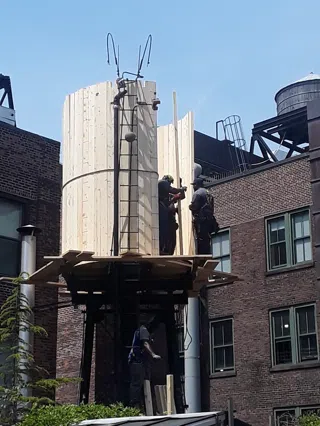
The Coopers Who Still Build New York's Rooftop Water Tanks
Three family firms still raise New York's wooden water tanks by hand in a single day, and you can read them from the street, from the observation decks or from inside a bar built in a tank.

Red Hook's Cargo Piers Became Brooklyn's Art District
Red Hook's working port never stopped moving cargo. It just gained an art residency, three distilleries and a dive bar that outlasted the developers.

New York Runs on a 5 A.M. Shift Nobody Advertises
Before the tourists wake, New York's fish market, flower district, and last working print shop are already running at full volume, and a dawn loop through all of it costs almost nothing.
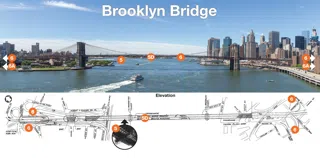
The Borough That Invented the Bridge: A Walking Guide to the Brooklyn Bridge and the Neighborhoods It Changed
The 1883 crossing that stitched Manhattan to Brooklyn still shapes everything within a half-mile of it — here's how to walk it properly, from the deck itself to the brownstone streets and dockside parks it built.
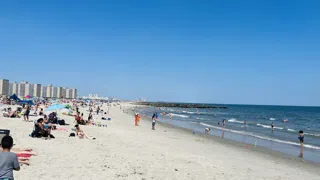
The Rockaways in Summer: New York City's Wild Beach at the End of the A Train
At the end of the A train, New York City turns into a surf town — this is the honest, no-filler guide to the Rockaways' beaches, ruins, tacos, and bars in summer 2026.
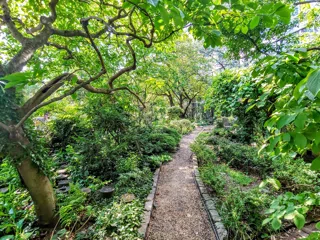
The High Line's Quiet Cousins: New York's Hidden Gardens and the Green Spaces Tourists Never Find
Beyond the High Line's crowds, New York hides a network of gardens, farms, and pocket parks where the city's noise simply stops — here's where to find an hour of real quiet in 2026.
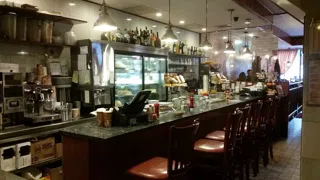
The Last Diners of New York: Chrome, Coffee and the Counter That Won't Quit
A borough-by-borough tally of the New York diners still slinging eggs at 3 a.m. — who they suit, when to go, and why the counter is worth defending.
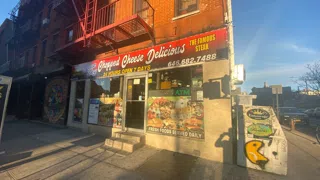
The Counter That Never Closes: Inside New York's Bodega Culture
A block-by-block guide to the delis, grocers and grill counters that feed New York around the clock — where to go, what to order, and which ones are worth the queue.

Williamsburg, New York: Brooklyn’s Skyline-First Neighbourhood
From the old sugar refinery on the East River to the one-stop L train ride from Manhattan, Williamsburg is Brooklyn at its most polished, hungry, and late-night loud.

West Village, New York: crooked streets, serious tables and old ghosts
A walk through Manhattan’s low-rise, high-romance village where the grid breaks, the dinners run long, and the history still has a pulse.
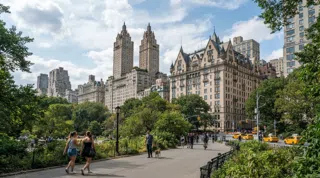
Upper West Side, New York: the city’s soft-spoken heavyweight
Between Central Park and the Hudson, the Upper West Side trades downtown noise for museums, brownstones, old-line appetites and a nightlife that knows when to go home.
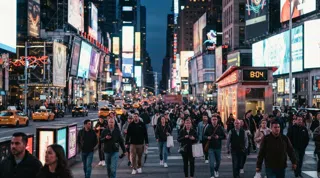
Midtown East & West, New York: the city’s loudest, most useful base
From Grand Central’s marble vaults to Times Square’s neon bowtie, Midtown East & West is New York at full volume — practical, iconic, and never asleep.

Lower East Side, New York: pastrami, tenements and 4am bars
A downtown Manhattan neighbourhood where immigrant food institutions, tenement history and a bar scene that runs to 4am still share the same few stubborn blocks.

Harlem, New York: Where the City Still Sings on 125th Street
A street-level walk through Harlem’s soul-food counters, brownstone jazz rooms, gospel pews and newly reopened museum, where the history is still being lived block by block.

Financial District, New York: where Wall Street meets the old city
A walk through FiDi’s crooked colonial streets, harbour edges, landmark taverns and high-floor bars, where New York’s oldest grid still runs the show.

DUMBO, New York: Bridges, Warehouses and the Best View in Town
A compact waterfront neighbourhood of cobblestones, cast-iron warehouses and skyline theatre, DUMBO sells the same view from a hundred angles — and, annoyingly, it mostly earns the hype.
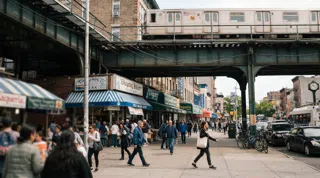
Astoria, New York: Greek Fish, Little Egypt, and a City of Good Eating
Ride the N or W into Astoria and the city starts speaking in several accents at once: Greek tavernas, Egyptian grills, old beer gardens, film history, and some of New York’s best-value meals.