Seville stories
27 stories from sevilleholidays.com, newest first.

Seville's Feria de Abril 2027: Dates, Casetas, Dress Code and How to Plan Your Visit
The Feria is free to walk into, but the casetas aren't. What a visitor can realistically do at Seville's April fair, from renting a dress to the one part nobody is turned away from.

Christmas in Seville 2026: Lights Across 300 Streets, Markets and Three Kings
The street lights come on across the centre, the Alcázar night trail charges for entry, and on certain nights Seville stays lit until 01:00.

Tiled benches and October shade in Seville's Maria Luisa Park
Forestier's garden is free all day. The canal boats are running again now that the summer suspension has lifted, and the Lope de Vega has reopened for autumn.

Cooking paella on a Seville rooftop under the Giralda
Ten guests, a terrace three floors above Calle Mármoles, and the bell tower in the gap over the parapet. Plus what else to book around it.

Inside Seville's Royal Alcázar Without the Queue
A thousand years of palace sold in thirty-minute slices: when to book your entry, which rooms repay standing still, and what to do with the hour before your slot.

Cross the Bridge into Seville's Triana in October
Seville's old ceramics and sailors' quarter is an outdoor place with four very good indoor hours, and in October 2026 the day turns on when you time the crossing, the market and the flamenco.

Seven Nights in Seville's Thousand-Caseta Tent City
Around a thousand casetas go up in Los Remedios each April and nearly all of them are private. This guide covers the ones that admit anyone, what they charge, and how to move through the week.

Eating Through Seville's Santa Cruz One Tapa at a Time
The old judería has no ticket and no door policy, and within ten minutes of the Cathedral there are enough standing counters to eat your way through a whole evening.

Booking Seville Around the 2026 Bienal de Flamenco
Three dates in September and October set the shape of the trip; the tablaos, the peña and the tapas bars arrange themselves around them.

Walking, Eating and Wrangling Kids Through Seville in October
The month you can walk the city again: the opening hours, tapas counters and family days that actually work in October 2026.
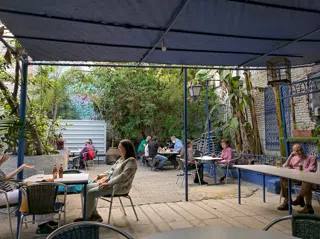
Your First Night Out in Seville, Hour by Hour
Sixteen rooms, real door policies and the running order that keeps a first night in Seville from ending at ten past ten.

What Seville Eats When It's Not Eating Tapas
Churros fried since 1904, fish in a paper cone, rice cooked to order and three Michelin kitchens: this is the Sevillian food that never turns up on a tapas crawl.

What to See in Seville When the Alcázar Has No Tickets Left
Sixteen ways to spend the hours you had set aside for the Alcázar, with 2026 prices and the free-slot and door policies that decide whether you get in.

Seville with Children Beyond the Cathedral and Alcázar
River boats, working markets, a camera obscura and the old world's-fair park where Sevillano families spend a Saturday, with the 2026 prices and opening hours that decide how the day runs.

How to Plan a Seville Day Around 40-Degree Heat
Monuments before noon, thick walls and water through the afternoon, and a city that only really opens after seven. How to time a Seville summer day, with real prices.
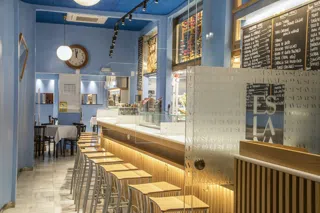
Where to Eat and Drink Around Seville's Bienal Nights
Booked dinners, standing tapas bars, tablaos and late rooms: how to feed an evening in Seville when the flamenco festival sets the clock.

Day Trips from Seville That Only Need a Train Ticket
Twelve places you can reach from Santa Justa and back in a day, with the timetables, door rules and prices that decide whether each one works.

The City in Ceramic: Seville's Azulejo Trail Through History
A walking trail through Seville told entirely in fired clay, from the Triana kilns that started it to the tiled bar where it's best to end the day.

Seville's rooftop terrazas
From the cathedral-facing classics to the pool decks hidden above old palaces, a guide to who each of Seville's rooftops actually suits, and how to book, dress, and time your way onto every one of them in 2026.

Flamenco in Seville: The Tablaos Where It Still Hurts
Seville's flamenco splits cleanly into two economies — the dinner-show circuit and the handful of Triana and Santa Cruz rooms where the cante still comes from somewhere real — and this guide tells you which is which, seat by seat, euro by euro.

Behind the Heavy Doors: Seville's Secret Patios of Shade and Water
The city's coolest, most beautiful rooms are the ones you have to knock, book, or tiptoe to reach — here is how to get behind Seville's studded doors and into its fountain courtyards.

Triana, Seville: the river barrio with a stubborn soul
Across the Guadalquivir, Triana keeps Seville's flamenco, ceramics and riverfront life alive in a neighbourhood that still feels gloriously local.

Santa Cruz, Seville: The Old Quarter That Still Smells of Orange Blossom
A walk through Seville’s most famous barrio, where the Alcázar walls, cathedral bells and old tapas bars still set the pace.

La Macarena, Seville: walls, devotion and everyday tapas
A walk through Seville’s northern old town, where Almohad walls, a beloved Virgin and cheap vermut still shape daily life.

El Arenal, Seville: bullring shadows, sherry hours and the old riverfront
A walk through Seville’s most self-possessed old-quarter, where the Maestranza, the Torre del Oro and a handful of family taverns still set the tempo.

Centro & Alfalfa, Seville: the city at full volume
A walk through Seville’s working core, where shopping streets, tiled bars and late-night tapas spill from the Cathedral’s shadow to the Alfalfa lanes.

Alameda de Hércules, Seville: the city’s late-night, bohemian heart
From Roman columns to drag clubs and sherry bars, Alameda de Hércules is Seville at its most lived-in, loud and gloriously unpolished.