Valencia stories
25 stories from valenciacitybreaks.com, newest first.

Fallas 2027 in Valencia: Mascleta Times, Nit del Foc and the Cremà, Day by Day
Fallas runs to a fixed timetable, so most of the planning is deciding which nights to turn up for. The daily mascletà, the flower offering, the Nit del Foc and the Cremà each need a different place to stand.

What to see at the Serranos Towers in Valencia and when to climb
Valencia's medieval river gate costs €2 at the door and opens at 10:00, and its terrace shuts in rain, so the climb is worth planning around the weather.

Walking under the water at Valencia's Oceanogràfic
A nine-kilometre car-free riverbed ride ends at Europe's largest aquarium, where one restaurant seats you ten metres underwater.

Learning Paella in Valencia Over an Orange Wood Fire
Market-to-pan classes in Russafa, wood fires out in the orchard and the lagoon village, and the lunches worth tasting before you cook your own.

Paella and Sangría in Valencia After the Russafa Market
A three-and-a-half-hour Valencian paella class in Russafa that starts with the market shop and ends at the flat pan and the sangría jug, with an honest verdict on whether it beats just eating the real thing.

Wine Tastings Around Valencia's Silk Exchange in October 2026
La Lonja de la Seda in October 2026: what the trading floor actually looks like, the right hour to walk in, and the wine bars and market counters worth building a morning around.

Valencia's Mercado Central Before 10am in September
The Mercado Central trades Monday to Saturday from half past seven and dies at three. Here is how to use the first hour, and what to do with the rest of the day around it.

Dawn and Dusk at Valencia's City of Arts and Sciences
The white shells of Calatrava's complex work best in the two hours a day when the water is flat and the crowds haven't arrived, so here is how to time both ends of it.

Valencia's Orange Season, From Market Stall to Michelin Plate
How to follow Valencia's winter citrus harvest from the Mercat Central's fruit stalls out to the huerta's family orchards and onto two Michelin tasting menus.

Valencia Never Stops Crackling: Inside a City Built on Gunpowder
In Valencia, gunpowder isn't a March event but a year-round undertone — this is where the sound, the smoke and the craft behind it all actually live.

The Morning After the Fires: Valencia Resets
The week after Fallas is Valencia's real story: casales fall silent, ash gets swept from the plazas by dawn, and the city quietly goes back to almuerzo, market counters and long lunches.

Valencia Spends All Year Building Toward Fire
Long before the first mascletà rattles the Ajuntament, Valencia's workshops, casals and archives are already at work — here's where to find the festival's other eleven months.

The Warm River at the End of the Road: A Valencia Day Trip to Montanejos
A free 25°C spring, a cave you can walk into, a waterfall ten minutes away and a straight answer on which of Montanejos's canyoning operators actually suits your group — everything you need to plan the day out from Valencia in 2026.

The Walls of El Carmen: Valencia's Street Art Capital
In Valencia's oldest quarter, medieval stone doubles as canvas — here's how to walk it, who painted it, and where to land afterward.

Iron, Glass and Inheritance: Valencia's Mercado Central, Trading Since 1928
Inside the Modernista dome where 250 stalls, several of them run by the third or fourth generation of the same family, still decide what Valencia eats for dinner.

Older Than Paella: Inside Valencia's Horchaterías and the Tiger-Nut Ritual
A calm, practical map to Valencia's horchata houses — where the tiger nut is grown, which venues suit a couple and which take a crowd, and how to drink it like the locals do.

Tiles, Clay and Modernism: Valencia's Quiet Design Heritage
A calm, practical route through Valencia's ceramic soul — national museums, working porcelain, the tile towns on the metro line, and the studios where you can throw your own.

The River That Became a Park: Valencia's Turia, Nine Kilometres of Green
A calm, end-to-end walk through the drained riverbed that Valencia turned into its finest public space — what to actually do along its nine kilometres, and what to skip.

The Rice Line: Where Valencia Actually Eats Its Paella
From the orange-wood fires on the beach to the family kitchens out in the Albufera rice paddies, here is where Valencia eats the real thing — and how to get a pan of it to yourself.
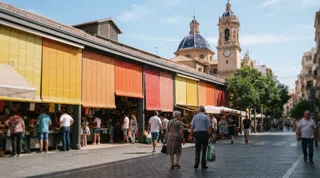
Ruzafa, Valencia: the barrio that stays out late and eats well
A walk through Valencia’s most creative neighbourhood, where market bars, Michelin kitchens, bookshop-cafés and terrace nights all spill into the same grid of streets.
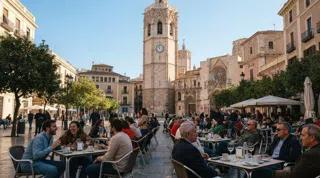
La Seu & Ciutat Vella, Valencia: the old city that still runs on bells, almuerzo and stone
From the cathedral steps and the Water Tribunal to the Mercado Central and the Lonja, Valencia’s old core is still the city’s most walkable collision of ritual, history and lunch.
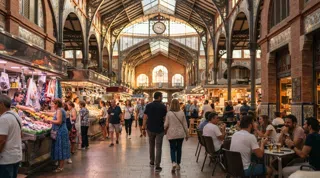
L'Eixample & Gran Via, Valencia: the city at its most composed
A slow, elegant walk through Valencia’s modernista grid, where grand boulevards, rice lunches and quiet nights define the city’s most polished quarter.
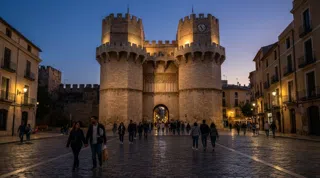
El Carmen, Valencia: the old town that stays up late
A tangled medieval quarter of murals, plazas and late-night bars, where Valencia’s old city still feels gloriously lived in after dark.
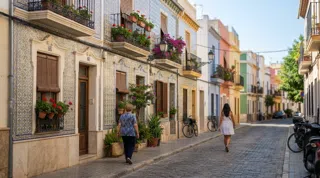
El Cabanyal, Valencia: the fishing quarter that refused to disappear
A walk through Valencia’s old maritime barrio, where tiled cottages, rice smoke and beach light still outmuscle the city’s grand plans.
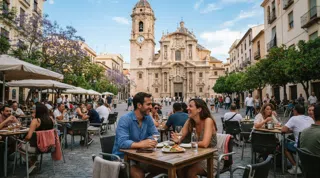
Benimaclet, Valencia: the village barrio that still runs on its own clock
A former farming village turned student quarter, Benimaclet serves up cheap nights, proper local rituals and a stubbornly lived-in Valencian spirit.