Tenerife stories
11 stories from canaryguides.com, newest first.
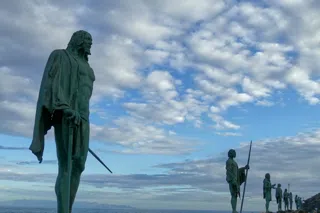
Candelaria, Tenerife: Nine Bronze Kings, One Tiny Virgin, and the Best Fish on the East Coast
Tenerife's pilgrimage town trades resort polish for black-sand coves, a fishermen's-association kitchen and the island's first Christian sanctuary — half a day to see it, longer to understand it.
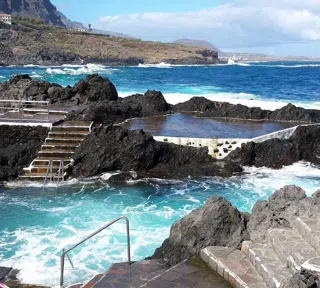
Garachico, Tenerife: The Town the Volcano Tried to Erase
Three centuries after lava buried its harbour, Tenerife's old main port is a walkable, unhurried town where you swim in the rock that destroyed it.
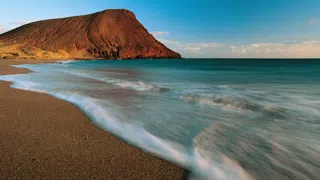
El Médano, Tenerife: The Wind-Blown Town That Refuses To Be A Resort
Five minutes from Tenerife South Airport, a scruffy, sail-stippled beach town trades resort polish for trade wind, volcanic sand and the best fish on this stretch of coast.
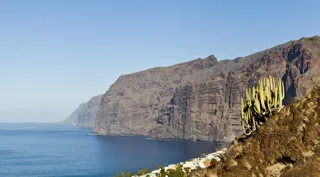
Under the Wall of Hell: Inside Los Gigantes, Tenerife
Six hundred metres of basalt, a marina full of whale boats and a harbour ring of tapas bars — how Tenerife's quietest west-coast resort built its whole character around a cliff.

La Laguna, Tenerife: The Grid That Spain Took to the Americas
A UNESCO old town five minutes from the airport, where a 15th-century street plan, volcanic-stone churches and a few hundred metres of student bars share the same dead-straight lanes.
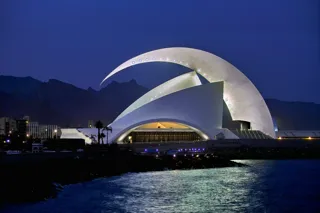
Santa Cruz de Tenerife: The Island's Working Capital, on Its Own 2pm Clock
Container cranes, a Calatrava concert hall and a market that closes before lunch — a street-level guide to the one part of Tenerife where Canarians set the pace.
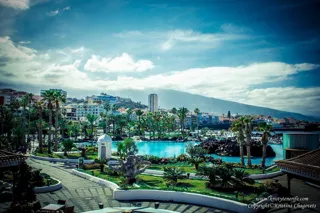
Black Sand and a Michelin Star: A Long Walk Through Puerto de la Cruz, Tenerife
Tenerife's first tourist town is still a working fishing port with a 17th-century fort at one end of its seafront, a César Manrique lido at the other, and some of the island's best cooking in between.
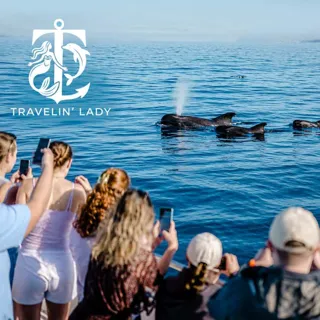
Harbour Town, Neon Strip: Inside Los Cristianos & Playa de las Américas, Tenerife
A fishing port welded to a purpose-built resort — one flat seafront walk linking La Gomera ferries, pilot whales, a Michelin-starred dining room and 300 metres of nightclubs.
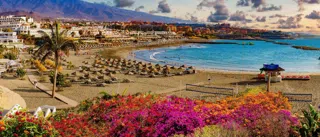
Costa Adeje, Tenerife: Two Michelin Stars Above the Sunbeds
A thirteen-course tasting menu upstairs from a Blue Flag beach, a shark tank you fall through at 80km/h, and a fishing village serving butterflied wreckfish five minutes up the coast — inside Tenerife's most polished resort strip.