A data-driven guide — where to stay, what to eat, and what not to miss.
Guests & rooms
The San Diego guide
An insider’s read on San Diego
The Pacific Ocean dictates the daily rhythm, drawing surfers to the reefs at dawn
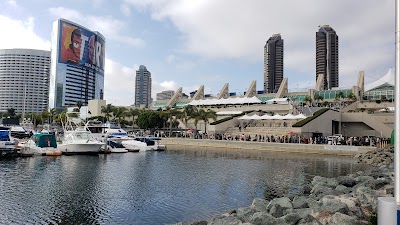
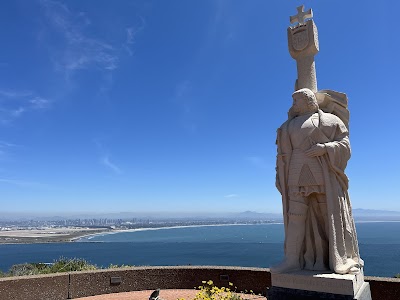
San Diego is defined by its geography and its climate, but the laid-back stereotype obscures a complex, highly functional city. This is a border town, a military stronghold, and a biotech engine wrapped in a surf-town aesthetic. The Pacific Ocean dictates the daily rhythm, drawing surfers to the reefs at dawn, while the deep-water harbor hosts one of the largest naval fleets in the world.
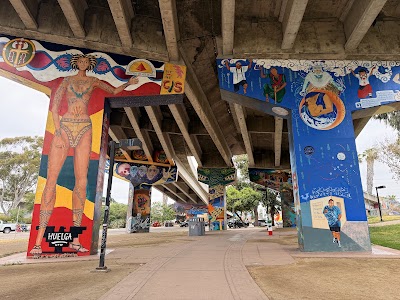
Behind the coastal facade lies a sprawling network of distinct neighborhoods, each operating like a self-contained town. The culinary landscape is shaped by its proximity to Mexico, producing a highly evolved regional cuisine that goes far beyond standard tacos. Navigating the city requires accepting its vast scale; this is a place built for the automobile, where coastal fog can drop temperatures by fifteen degrees in a matter of miles.
Where to base yourself
The neighborhoods
Where you sleep shapes the trip. Here’s the honest orientation, area by area.
via Google
Little Italy
For Food lovers and urban explorers who want to walk to dinner. The trade-off is constant noise from the airport flight path directly overhead.
A highly walkable, design-forward district filled with patio dining, craft cocktail bars, and chic boutiques.
Where to sleepModern boutique hotels with rooftop bars overlooking the bay.
The Saturday Mercato farmers market.
Design shops along Kettner Boulevard.
via Google
Gaslamp Quarter
For First-time visitors and convention-goers who want to be near the action. The trade-off is a highly commercialized, rowdy atmosphere on weekends.
A historic sixteen-block district filled with Victorian-era buildings, restaurants, and intense nightlife.
Where to sleepHistoric grand hotels or trendy lifestyle brands with rooftop pools.
The historic architecture along Fifth Avenue.
Proximity to Petco Park for baseball games.
via Google
La Jolla
For Luxury travelers and outdoor enthusiasts. The trade-off is high prices and heavy traffic on the few roads leading into the village.
An affluent coastal enclave with dramatic cliffs, wild marine life, and upscale boutiques.
Where to sleepHistoric luxury resorts or cliffside boutique properties.
La Jolla Cove to view wild sea lions.
The coastal walking trail to Sunny Jim Sea Cave.
via Google
North Park
For Craft beer enthusiasts and creative travelers. The trade-off is a gritty urban feel in some areas and a complete lack of beach access.
A hipster stronghold filled with craft breweries, vintage clothing stores, and indie coffee shops.
Where to sleepReimagined mid-century motels or local guesthouses.
The craft beer tasting rooms along 30th Street.
The historic North Park Theatre.
via Google
Ocean Beach
For Budget travelers, surfers, and those seeking a retro California vibe. The trade-off is a grungy aesthetic and a visible transient population.
An unapologetically bohemian beach town that has resisted commercialization, filled with surf shops and head shops.
Where to sleepCasual beachside hostels or vintage vacation rentals.
The massive Ocean Beach Pier.
Dog Beach, where dogs run off-leash in the surf.
via Google
Pacific Beach
For Twentysomethings, nightlife seekers, and beginner surfers. The trade-off is a loud, frat-boy atmosphere that rarely sleeps.
A high-energy, youth-centric beach neighborhood dominated by a long boardwalk, bars, and surf schools.
Where to sleepModern boardwalk hotels or budget-friendly surf hostels.
The three-mile boardwalk stretching to Mission Beach.
Crystal Pier, where you can walk over the waves.
via Google
Coronado
For Families and travelers seeking quiet relaxation. The trade-off is a sleepy nightlife scene and isolation from the rest of the city.
A pristine, quiet peninsula with wide sandy beaches, manicured lawns, and a slow, wealthy pace of life.
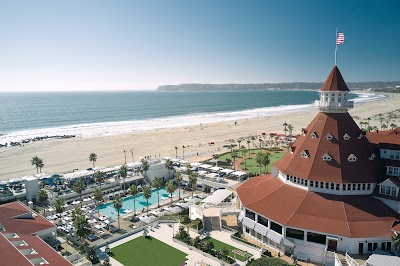
Where to sleepThe iconic Victorian beachfront resort or quiet boutique inns.
Coronado Beach, famous for its glittering mica sand.
The historic Hotel del Coronado grounds.
via Google
Hillcrest
For Progressive travelers and foodies looking for diverse, mid-range dining. The trade-off is difficult street parking and urban noise.
The colorful hub of the city's LGBTQ+ community, featuring diverse dining, thrift stores, and pedestrian-friendly streets.
Where to sleepQuaint bed-and-breakfasts or independent boutique motels.
The landmark Hillcrest neon sign.
The Sunday Hillcrest Farmers Market.
via Google
Old Town
For History buffs and families. The trade-off is that it is highly commercialized, touristy, and shuts down early in the evening.
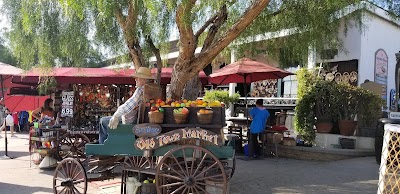
A state historic park preserving the early Mexican and American periods of the city's history.
Where to sleepStandard mid-range chain hotels near the transit center.
The preserved adobe buildings of the state park.
Handmade tortillas sold on the street.
Eat & drink
Where to eat in San Diego
Real tables, by category — from seafood and grills to the budget classics locals actually queue for.
Seafood
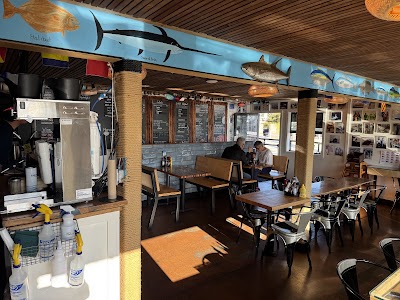
The city's seafood is defined by its proximity to the Pacific and the local commercial fishing fleet at Point Loma, emphasizing ultra-fresh, simply prepared catches.
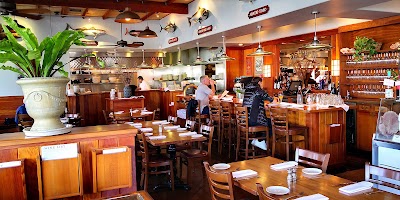
The local culinary identity is deeply rooted in Baja Med cuisine, a fusion of Mexican ingredients, Mediterranean techniques, and fresh California produce.
These are affiliate links. We may earn a commission when you book — at no extra cost to you. Tours are sold and operated by our partner, who is the merchant of record.
What it costs
Budgeting
San Diego is an expensive destination, particularly regarding lodging and car rentals. Public transit is limited, so rideshares or rental costs must be factored in.
Travel style
Per day
Backpacker
€70-100 (hostel dorm, street tacos, public transit/walking)
€550+ (luxury resort, fine dining, private tours, valet parking)
Timing
When to visit
The ideal travel window is late summer through autumn, when the ocean is warmest and the coastal fog clears.
SpringMarch to May brings cooler temperatures and the notorious 'May Gray' marine layer, which keeps the coast overcast for days. Wildflowers bloom in the nearby desert.
SummerJune to August is peak tourist season. 'June Gloom' often keeps beaches cloudy until afternoon, but crowds are dense and hotel rates are at their highest.
AutumnSeptember to November is the local favorite. The water is at its warmest, the summer crowds have departed, and clear, sunny days are the norm.
WinterDecember to February is cool and brings occasional rain. This is prime whale-watching season as gray whales migrate along the coast.
San Diego International Airport (SAN) sits directly adjacent to downtown. The MTS Bus Route 992 connects the terminals to the downtown transit hub in fifteen minutes. Rideshares and taxis are readily available outside both terminals.
Public transit
The MTS Trolley is highly efficient for traveling between downtown, Old Town, Little Italy, and the Mexican border. However, the bus system is slow and inefficient for reaching the northern coastal neighborhoods.
Passes & tickets
The Pronto card or mobile app is required for all MTS transit. A day pass costs in the € band and offers unlimited rides on trolleys and buses.
On foot
Individual neighborhoods like Little Italy, the Gaslamp Quarter, and La Jolla Cove are highly walkable. Traveling between these areas, however, requires a car or rideshare due to the vast distances and highway barriers.
1
Download the Fred app for free, open-air electric shuttle rides within the downtown boundary.
2
Rent a car if you plan to explore coastal areas north of La Jolla.
3
Use the Blue Line Trolley for direct, traffic-free access to the pedestrian border crossing at San Ysidro.
Travel smart
Safety & etiquette
The city is generally very safe. Exercise normal caution in downtown and the Gaslamp Quarter late at night. Be highly aware of strong rip currents at the beaches; only swim near open lifeguard towers.
Local etiquette
Do not touch, feed, or crowd the wild sea lions at La Jolla Cove; locals are highly protective of them.
Tip 15-20% at restaurants and bars.
Always shake off sand and dry off before entering coastal shops and restaurants.
From the ground
Practical tips
1
Skip the expensive parking at La Jolla Cove by parking a few blocks up the hill in residential zones.
2
Always order a California Burrito with carne asada; the french fries inside must be crispy, so eat it immediately.
3
Check the tide charts before visiting the Point Loma tide pools; they are only accessible during negative low tides.
4
Avoid driving on the Interstate 5 or Interstate 805 during peak rush hours (7-9 AM and 4-6:30 PM) as traffic gridlocks completely.
5
Pack a light jacket even in summer; coastal temperatures drop rapidly once the sun goes down.
6
Use the free 'Fred' electric shuttles for short trips around downtown to save on rideshare costs.
7
Buy a Pronto card at any trolley station for seamless transfers between buses and the light rail.
Book direct
Book a hotel in San Diego
Loading live availability and real-time prices…
Good to know
San Diego FAQs
Do I need a car in San Diego?
Yes, unless you plan to stay strictly within one neighborhood like Downtown or Little Italy. The city is highly spread out, and public transit is slow between coastal areas.
When is the best time to see the sea lions?
They are present year-round at La Jolla Cove, but pupping season (late spring/early summer) offers the most activity, though some beaches may be closed to protect them.
Can I walk across the border to Tijuana?
Yes, walking across at San Ysidro is the fastest way. Bring a valid passport, and expect longer wait times when returning to the US.
What is 'June Gloom'?
It is a local weather phenomenon where a thick marine layer keeps the coast cloudy and cool through May and June, often burning off only in the afternoon.
Is tap water safe to drink?
Yes, the tap water is perfectly safe to drink, though many locals prefer filtered water due to its high mineral content and taste.